

Home Blog Page 5

Kim Kardashian Hires Zendaya’s Stylist Law Roach

0

Kim Kardashian has added one of Hollywood’s most recognizable stylists to her team.

The reality star and entrepreneur is now working with Law Roach, the longtime stylist best known for creating Zendaya’s high-profile red-carpet looks.

Kardashian debuted their new collaboration at the opening of the Lucas Museum of Narrative Art in Los Angeles, where she wore an archival Yves Saint Laurent design from Tom Ford’s Fall/Winter 2004 collection.

Roach later confirmed the partnership on social media, simply identifying Kardashian as a “new client.”

The collaboration could signal a fresh fashion direction for Kardashian while also highlighting the growing influence celebrity stylists have on entertainment, branding, and red-carpet culture.

Kim Kardashian Debuts Her First Law Roach Look

Kardashian stepped out in a Chinese-inspired sequined Yves Saint Laurent dress designed by Tom Ford for the fashion house’s Fall/Winter 2004 collection.

The archival choice reflects one of Roach’s signature styling strategies.

Rather than relying only on current collections, Roach frequently searches fashion archives and older designer collections to create looks that feel distinctive and memorable.

That approach has become especially visible through his work with Zendaya.

For Kardashian, the vintage Yves Saint Laurent dress offered an immediate indication of what her collaboration with Roach could look like.

Law Roach Is Best Known for Styling Zendaya

Roach has developed one of the most recognizable stylist-client partnerships in Hollywood through his work with Zendaya.

Their collaboration has produced major fashion moments across awards shows, movie premieres, press tours, and international events.

Roach often builds fashion concepts around the project Zendaya is promoting.

That approach can turn a movie press tour into a larger visual campaign, where each outfit contributes to the tone and identity of the film.

For actors and public figures, styling can therefore become part of storytelling and personal branding rather than simply choosing an outfit for an event.

Law Roach Goes to Extraordinary Lengths to Find the Right Look

Roach has become known for taking unusual steps to secure specific pieces.

During Zendaya’s press tour for The Odyssey, he reportedly traveled to Paris to retrieve a Schiaparelli gown directly after it appeared on the runway.

Zendaya then wore the dress at the film’s London premiere only hours later.

The story demonstrates how fast-paced celebrity styling can be.

Major premieres can involve coordination between designers, fashion houses, couriers, publicists, makeup teams, hairstylists, and wardrobe professionals across multiple cities.

For high-profile stylists, sourcing the outfit can sometimes be just as complicated as creating the overall concept.

A Search for Vintage Shoes Turned Into an Online Fashion Hunt

Roach also drew attention while trying to locate a rare pair of Sophia Webster sandals for Zendaya.

He wanted the Clementine gladiator-style sandals from the designer’s Autumn/Winter 2014 collection for another stop on The Odyssey press tour.

When the designer could not locate a pair in Zendaya’s size, an online search began.

A follower eventually came forward with the correct shoes, which were couriered to Roach’s hotel before Zendaya wore them during the New York portion of the press tour.

The search illustrates one of the less visible parts of celebrity styling: sourcing rare pieces.

Stylists may work with designer archives, collectors, vintage dealers, private owners, and fashion houses to locate clothing and accessories that have not been commercially available for years.

How Law Roach Approaches Celebrity Styling

Roach has previously explained that research is central to the way he works with clients.

Before developing a fashion direction, he studies what a celebrity has worn in the past.

That includes both successful looks and outfits that received less attention.

The goal is to understand what the client naturally responds to rather than simply imposing a stylist’s personal taste.

That process can help create a wardrobe that feels consistent with the client while still introducing new ideas.

For performers, this type of collaboration can become especially important during major career moments.

A new film, awards campaign, music release, or television role can all provide an opportunity to rethink how a performer presents themselves publicly.

What Could Law Roach Bring to Kim Kardashian’s Style?

Kardashian already has one of the most recognizable fashion identities in entertainment.

She has worked with major designers, appeared at international fashion events, and built businesses where image plays an important role.

Working with Roach could introduce a new perspective.

His approach frequently blends archival fashion, storytelling, dramatic silhouettes, and carefully planned visual moments.

Kardashian’s first look under Roach’s direction suggests their collaboration may lean heavily into fashion history and rare designer pieces.

Future appearances could reveal whether the partnership represents a complete style shift or an evolution of Kardashian’s existing image.

Why Celebrity Stylists Matter in Hollywood

Celebrity styling has become a significant part of entertainment marketing.

A major red-carpet look can generate headlines, social media engagement, designer exposure, and additional attention for the movie or television series an actor is promoting.

Stylists often work alongside publicists and marketing teams to ensure fashion complements the broader publicity strategy.

That means their work can influence much more than clothing.

A successful stylist may help shape how audiences perceive an actor, musician, or public figure throughout an entire promotional campaign.

What Aspiring Stylists Can Learn From Law Roach

Roach’s career demonstrates that successful styling requires research, relationships, and creativity.

Knowing fashion is only one part of the job.

Stylists also need to understand their clients.

They must be able to communicate with designers, negotiate access to clothing, manage tight deadlines, and solve unexpected problems quickly.

Strong industry relationships can also make an enormous difference.

Access to archives and exclusive collections often depends on years of building trust with designers, fashion houses, publicists, and showroom teams.

And when the desired piece cannot be found through traditional channels, resourcefulness becomes essential.

Sometimes the right outfit requires searching across countries — or finding someone who has been storing the perfect pair of shoes in their closet for more than a decade.

Celebrity Styling Can Lead to Careers Across Entertainment

For people interested in fashion and entertainment, celebrity styling is only one possible career path.

Film and television productions hire costume designers, costume assistants, wardrobe supervisors, dressers, tailors, shoppers, and other fashion professionals.

Commercial productions, music videos, editorial shoots, and brand campaigns also employ styling teams.

Many professionals begin by assisting established stylists or working on smaller productions.

Those early jobs can help build experience in sourcing clothing, coordinating fittings, working with talent, and managing wardrobe logistics.

Over time, that experience can lead to larger productions and celebrity clients.

Frequently Asked Questions

Who is Kim Kardashian’s new stylist?

Kim Kardashian is now working with celebrity stylist Law Roach.

Is Law Roach Zendaya’s stylist?

Yes. Law Roach is best known for his longtime collaboration with Zendaya and has styled many of her major red-carpet and press-tour appearances.

What did Law Roach style Kim Kardashian in?

For one of their first public appearances together, Kardashian wore a sequined Yves Saint Laurent dress from Tom Ford’s Fall/Winter 2004 collection.

Where did Kim Kardashian debut her new stylist?

Kardashian debuted the look at the opening of the Lucas Museum of Narrative Art in Los Angeles.

Why is Law Roach famous?

Roach is known for his celebrity styling work, particularly with Zendaya. He frequently uses archival fashion, custom designs, and themed looks tied to movie premieres and press tours.

How does Law Roach choose outfits for clients?

Roach has said he researches his clients carefully, including their previous outfits, successful fashion moments, and styles they naturally prefer.

What does a celebrity stylist do?

A celebrity stylist selects and sources clothing for premieres, awards shows, interviews, photoshoots, press tours, and public appearances.

How do celebrity stylists find rare clothes?

Stylists may source clothing through fashion houses, designer archives, vintage dealers, collectors, showrooms, and private owners.

How can someone become a celebrity stylist?

Many stylists begin as assistants or by working on photoshoots, commercials, music videos, independent productions, or smaller red-carpet events. Building a portfolio and developing relationships within the fashion industry are important steps.

Where can stylists find entertainment industry jobs?

Fashion professionals can use Project Casting to discover opportunities connected to film, television, commercials, modeling, photoshoots, and entertainment productions.
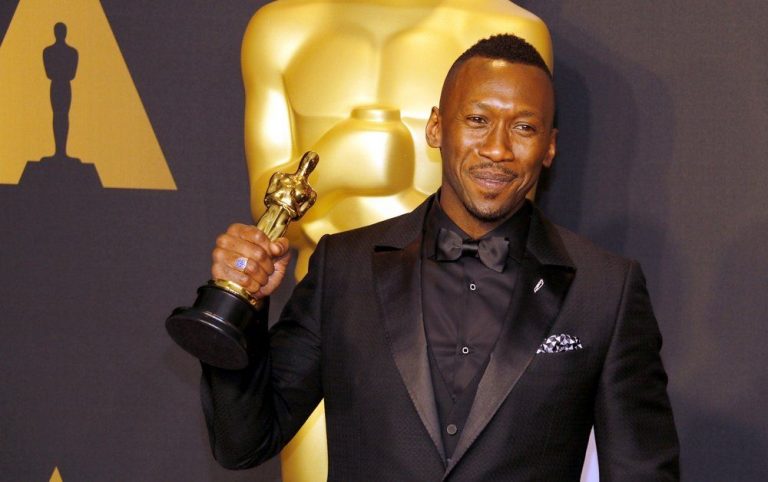

Mahershala Ali Says Marvel’s ‘Blade’ Failure Cost Him Years of Work

0

Mahershala Ali is speaking candidly about Marvel Studios’ long-delayed Blade reboot — and the two-time Oscar winner says he still doesn’t know why the movie never made it into production.

Ali was announced as Marvel’s new Blade at San Diego Comic-Con in 2019, setting off years of anticipation surrounding his take on the vampire hunter.

But after multiple directors, writers, delays and production changes, the version starring Ali never reached cameras.

Now, Ali says he agrees with Marvel Studios president Kevin Feige’s own harsh assessment of what happened.

Feige previously described the difficulties surrounding Blade as one of the biggest disappointments of his career. When GQ raised that assessment with Ali, the actor said he agreed.

Mahershala Ali Says He Still Doesn’t Know Why ‘Blade’ Never Happened

Speaking with GQ, Ali said questions about why the film stalled should ultimately be directed toward Marvel.

He pointed out that Marvel had a two-time Academy Award winner under contract and significant resources available, yet the project repeatedly failed to move forward.

Ali said that even today, he does not fully understand why production never happened.

The actor’s frustration appears to come partly from how much time and preparation he invested in the role.

This was not a project Ali was casually attached to while waiting for another job.

He was preparing to play Blade.

Ali Says He Spent a Year Training for ‘Blade’

Ali revealed that he spent roughly a year physically preparing for the Marvel movie.

His training included sword work and multiple martial arts disciplines as he prepared to portray the vampire hunter.

The preparation became so intensive that Ali said he injured his knee.

He also uprooted his family and moved to Atlanta because production was expected to begin there.

Instead, Ali said the start date kept being pushed back.

For an actor, that kind of delay can have consequences beyond a single movie. Time reserved for one project can limit availability for other films and television shows.

Ali specifically connected some gaps in his recent filmography to the time he spent preparing for Blade.

Marvel Announced Mahershala Ali as Blade in 2019

Ali’s involvement with Blade was first announced during Marvel Studios’ presentation at San Diego Comic-Con in July 2019.

At the time, the casting appeared to position Blade as another major addition to the Marvel Cinematic Universe.

The character had previously been made famous on the big screen by Wesley Snipes, who starred in the original Blade film trilogy.

Ali’s version was expected to introduce a new interpretation of the character within the MCU.

He technically made his MCU debut as Blade in a voice-only appearance during a post-credits scene in Eternals, but the planned standalone movie never followed.

‘Blade’ Went Through Multiple Directors and Writers

The project experienced extensive creative turnover during development.

Bassam Tariq was initially hired to direct, but he exited in 2022 shortly before filming had been expected to begin.

Yann Demange later joined the project before leaving in 2024.

The screenplay also went through several writers and revisions as Marvel continued searching for a version of the movie it felt confident producing.

Feige has said Marvel ultimately did not believe the screenplay had reached the level required to move forward.

He connected the situation to a broader period in which Marvel expanded aggressively across theatrical releases and Disney+ programming before later shifting its focus toward fewer projects.

Kevin Feige Admitted Marvel Struggled With ‘Blade’

Feige has been unusually open about his disappointment with the project.

He explained that Marvel did not want to simply put Ali into a costume and make a conventional vampire movie.

The studio wanted the film to feel distinctive but never reached a version of the screenplay it felt confident enough to take into production.

Ali has now made clear that he believes Marvel had enough time and resources to make the film if the studio truly wanted to move forward.

Mahershala Ali Says He Has Moved On From ‘Blade’

Perhaps the biggest development is that Ali no longer appears to be waiting for the movie.

In an earlier GQ interview, the actor indicated that the planned Blade movie was no longer happening with him and that he had moved on creatively.

After decades in entertainment, Ali said he has learned that some projects simply do not work out regardless of how much effort an actor puts into them.

He has also expressed more interest in creating original work rather than becoming known primarily for remakes.

That shift has led him toward Your Mother Your Mother Your Mother, an original action drama directed by Bassam Tariq — the filmmaker who had once been attached to direct Blade.

‘Blade’ Helped Lead Ali to Another Movie

There is an unexpected connection between the stalled Marvel project and Ali’s next chapter.

Ali reunited with Tariq for Your Mother Your Mother Your Mother, in which he plays Latif, a hitman whose life changes dramatically after the death of his wife leaves him caring for their children.

Ali has described the project as more closely aligned with the type of original storytelling he wants to pursue.

He was also able to use some of the physical skills he developed during his lengthy Blade preparation.

In that sense, the years spent preparing for Marvel’s vampire hunter were not entirely wasted. Some of that experience eventually contributed to another creative opportunity.

Ali Says Oscar Wins Didn’t Automatically Transform His Career

The Blade experience also fits into a broader point Ali has made about his career.

Despite winning Academy Awards for Moonlight and Green Book, Ali has said those achievements did not suddenly result in every type of role becoming available to him.

He has spoken about continuing to fight for opportunities and convince filmmakers to see him in the kinds of roles he believes he can play.

Ali has described the process of repeatedly proving his range as exhausting, even after years of professional success and major awards.

For emerging actors, that provides an important perspective on what career success actually looks like.

Awards, major credits and franchise casting can create opportunities, but they do not eliminate uncertainty.

What Actors Can Learn From Mahershala Ali’s ‘Blade’ Experience

Actors frequently hear about projects entering “development,” but Ali’s story demonstrates just how different development can be from actual production.

Being cast in a major film does not necessarily mean cameras will roll.

Projects can be delayed or abandoned because of screenplay issues, financing, leadership changes, scheduling, strikes, creative disagreements or broader studio strategy.

That uncertainty can create difficult decisions for performers.

An actor may spend months training for a role, alter their appearance, reject conflicting work or relocate for production — only for the project to change or disappear.

Ali’s situation occurred at the highest levels of Hollywood, showing that development uncertainty does not disappear once an actor becomes successful.

A Major Casting Announcement Is Not the Same as a Completed Job

Another useful lesson from the story is the difference between being announced and actually completing a project.

Ali has indicated that he prefers doing the work first rather than building years of anticipation around something that may change.

For working actors, the same principle can apply on a smaller scale.

A casting announcement, verbal commitment or attachment to a developing project can be exciting, but performers should understand that entertainment productions can remain uncertain until contracts, schedules and production plans are firmly established.

Ali’s long Blade journey may be an unusually high-profile example, but the underlying reality is common throughout film and television.

Frequently Asked Questions

Is Mahershala Ali still playing Blade?

Ali has indicated that the planned Marvel Blade movie is no longer happening with him and that he has moved on from the project.

Why didn’t Marvel make ‘Blade’ with Mahershala Ali?

Ali says he still does not know exactly why the movie failed to reach production. Kevin Feige has said Marvel struggled to develop a screenplay it believed was strong enough to make.

When was Mahershala Ali announced as Blade?

Marvel announced Ali as Blade at San Diego Comic-Con in 2019.

Did Mahershala Ali train for ‘Blade’?

Yes. Ali says he spent about a year training, including sword fighting and martial arts. He also said the preparation became intense enough that he injured his knee.

Did Mahershala Ali move for ‘Blade’?

Yes. Ali said he relocated his family to Atlanta in preparation for filming before production continued to be delayed.

Did Mahershala Ali ever appear as Blade in the MCU?

Ali’s voice was heard as Blade in the post-credits scene of Marvel’s Eternals, but his standalone movie was never produced.

What did Kevin Feige say about the failed ‘Blade’ movie?

Feige has acknowledged Marvel’s failure to get the project made and said the studio never became confident enough in the screenplay to move into production.

How many Oscars has Mahershala Ali won?

Mahershala Ali has won two Academy Awards for Best Supporting Actor, for Moonlight and Green Book.

What is Mahershala Ali working on instead of ‘Blade’?

Ali stars in Your Mother Your Mother Your Mother, directed by former Blade director Bassam Tariq.

What can actors learn from the ‘Blade’ delays?

The experience shows that even major casting announcements do not guarantee production. Actors may spend significant time preparing for projects that are delayed, rewritten or canceled, making flexibility and long-term career planning important.

Where can actors find upcoming Marvel and superhero casting calls?

Actors can use Project Casting to follow film and television casting calls, production announcements and entertainment industry news. Tracking projects during development can help performers identify potential opportunities, although official casting requirements should always be confirmed before applying.

How to Get Cast in “The Reception”

0

Jeff Daniels to Star in ‘The Reception,’ a New Comedy Set at a Chaotic Scottish Wedding

Jeff Daniels is set to lead The Reception, an upcoming comedy centered on a Scottish wedding that goes spectacularly off course.

The two-time Emmy Award winner and five-time Golden Globe nominee will headline the film, which is being directed by Trudie Styler. Pre-production is underway, with filming set to take place in Scotland.

Set against the backdrop of a grand Scottish estate, The Reception combines wedding-day chaos, family relationships, comedy, and unexpected connections. Additional cast members are also being finalized as the project moves toward production.

What Is ‘The Reception’ About?

The Reception begins with what should be a lavish wedding celebration. There is just one major problem: the bride and groom are missing.

According to the film’s synopsis, Felix has abandoned Victoria at the altar. Despite the couple’s absence, their families and guests continue with the reception at an impressive Scottish estate.

The parents, relatives, friends, staff, and other guests initially attempt to maintain appearances, but the celebration quickly begins to unravel.

What follows is a chaotic day filled with mishaps, humor, strained relationships, and surprising new connections. As the reception continues, those left behind are forced to confront their own relationships while dealing with the fallout from the abandoned wedding.

The premise gives The Reception an opportunity to combine ensemble comedy with a character-driven story about families, relationships, and the expectations surrounding a major life event.

Jeff Daniels Leads ‘The Reception’

Jeff Daniels has been announced as the leading star of The Reception.

Daniels has built an extensive career across film, television, and theater, moving between dramatic and comedic performances. His best-known projects include Dumb and Dumber, Gettysburg, and HBO’s The Newsroom.

His involvement brings an experienced comedy performer to a movie built around an increasingly unpredictable wedding celebration.

Daniels also has additional projects on the horizon, including 2034 and Starman.

Details surrounding Daniels’ character in The Reception have not yet been revealed.

Trudie Styler Directs ‘The Reception’

Trudie Styler is directing and producing The Reception through Maven Screen Media, the company she operates with Celine Rattray.

The movie marks Styler’s fifth directing project.

Her directing credits include Freak Show, which received three nominations at the Berlin International Film Festival in 2017, and Posso Entrare? An Ode to Naples, which earned Italy’s Globo d’Oro for Best Documentary in 2024.

Styler also co-directed The Sweatbox, a documentary commissioned by Disney. Her recent project Up Against It is another addition to her directing portfolio.

Where Will ‘The Reception’ Be Filmed?

Production on The Reception is heading to Scotland.

The movie will shoot at a castle near the famous Loch Ness, just outside Inverness. The location provides a fitting backdrop for the grand Scottish estate at the center of the movie’s story.

Pre-production is already underway, with filming scheduled to begin as the production team finalizes additional members of the cast.

For actors and entertainment professionals, the Scotland production location also makes the project one to watch as casting and production continue.

Who Is Producing ‘The Reception’?

The Reception brings together Maven Screen Media and Tempo Productions.

Styler is directing and producing the feature, with Maven Screen Media business partner Celine Rattray producing alongside Piers Tempest of Tempo Productions.

Recent Maven projects include Eleanor the Great, Scarlett Johansson’s feature directorial debut, which premiered at the Cannes Film Festival.

The production team behind The Reception therefore includes filmmakers with experience across independent films and internationally distributed projects.

‘The Reception’ Heads to the International Market

Beta Cinema is handling international sales for The Reception, launching the project to international buyers at the Toronto International Film Festival market.

CAA Media Finance is representing North American rights.

The sales push comes as the movie moves through pre-production and prepares for principal photography in Scotland.

Additional ‘The Reception’ Cast Members Are Being Finalized

Jeff Daniels is currently the major announced star attached to The Reception, but additional cast members are being finalized.

The movie’s wedding setting naturally creates opportunities for an ensemble of characters, including relatives, friends, wedding guests, staff, and others caught up in the increasingly chaotic reception.

Additional casting announcements are expected as the project moves closer to production.

Who Are the Casting Directors for ‘The Reception’?

Two10Casting is one of the casting teams working on The Reception.

Casting directors play an important role in bringing a movie’s characters to life. They work closely with filmmakers and producers to identify performers who match the project’s creative vision, from principal and supporting characters to other roles needed throughout production.

For a character-driven ensemble comedy like The Reception, casting is particularly important. The story revolves around a large wedding party filled with family members, friends, staff, and guests whose personalities and relationships contribute to the escalating chaos.

Actors interested in The Reception casting calls and auditions can follow Two10Casting and monitor Project Casting for opportunities and updates connected to the production.

“The Reception” Feature Film Open Casting Call

Supporting Artists for “The Reception” Feature Film

Job Description

An upcoming feature film titled “The Reception” is casting supporting artists for filming around Inverness, Scotland. The production is seeking a wide range of adults to join scenes centered around a lively wedding celebration and chaotic comedy. Talent of all looks, genders, and backgrounds are encouraged to apply for this paid feature film opportunity.

Job Responsibilities

  • Work as a supporting artist in a professional feature film production.
  • Portray wedding guests and other background characters as required.
  • Follow direction from the production and assistant directing teams.
  • Perform naturally during group and background scenes.
  • Maintain professionalism and continuity throughout filming.

Requirements

  • Must be 18 or older.
  • Open to all looks and genders.
  • Must be able to work around Inverness, Scotland.
  • Comfortable working as a supporting artist in a feature film.
  • Reliable and able to follow on-set direction.

Compensation

  • This is a paid opportunity; compensation details will be discussed with selected talent

Click here to apply now!

Is ‘The Reception’ Casting?

With The Reception in pre-production and additional cast members being finalized, casting activity surrounding the movie is worth watching.

Actors interested in joining the production should rely on verified casting notices for information about available roles, eligibility requirements, filming locations, compensation, and application instructions.

As production gets underway in Scotland, additional opportunities may become available depending on the needs of the project.

How to Find ‘The Reception’ Casting Calls

Actors searching for The Reception casting calls, auditions, and acting opportunities should monitor Project Casting as the movie progresses through production.

Because The Reception is filming near Inverness, Scotland, performers based in Scotland and elsewhere in the United Kingdom may want to pay particular attention to casting announcements connected to the project.

Project Casting regularly publishes casting calls and entertainment industry opportunities for feature films, television productions, commercials, and other projects.

What’s Next for ‘The Reception’?

With Jeff Daniels leading the cast, Trudie Styler directing, and production preparing to film in Scotland, The Reception is moving forward.

More cast announcements are expected as the ensemble comes together.

The combination of an abandoned wedding, a grand Scottish estate, complicated family dynamics, and escalating chaos gives The Reception a distinctive setup for an ensemble comedy.

As production progresses, additional details about the cast, release plans, and casting opportunities are expected to emerge.

Find Casting Calls and Acting Auditions on Project Casting

Looking for your next acting opportunity?

Explore casting calls, movie auditions, television roles, background acting opportunities, and entertainment industry jobs on Project Casting.

Whether you’re looking for opportunities connected to upcoming movies like The Reception or searching for your next role in film and television, Project Casting helps entertainment professionals discover new opportunities and stay informed about projects entering production.

Apply now on Project Casting and discover your next casting opportunity.

How to Get Cast in Lionsgate Live-Action ‘Naruto’

0

Naruto Live-Action Movie Launches Worldwide Casting Search for Team 7

Lionsgate is moving forward with its highly anticipated Naruto live-action movie, launching a worldwide casting search to find the young actors who will bring some of the manga franchise’s most iconic characters to the big screen.

The global search is initially focused on the three young shinobi at the center of Team 7: Naruto Uzumaki, Sasuke Uchiha, and Sakura Haruno. Casting for additional characters is expected to follow as the live-action adaptation moves further into pre-production.

For actors and Naruto fans around the world, the casting search marks a major milestone for a Hollywood adaptation of one of the world’s most recognizable manga franchises.

Article Outline

  • Naruto live-action movie launches worldwide casting search
  • Which Naruto characters are currently being cast?
  • Who is directing the Naruto live-action movie?
  • Who are the casting directors for Naruto?
  • What Destin Daniel Cretton says about the adaptation
  • Naruto creator Masashi Kishimoto reacts
  • What we know about the Naruto movie
  • Naruto casting call opportunity
  • What the worldwide search means for actors
  • How to find upcoming Naruto casting opportunities

Naruto Live-Action Movie Begins Worldwide Casting Search

Lionsgate and filmmaker Destin Daniel Cretton have launched a worldwide casting search for the leads of the upcoming Naruto live-action movie.

The search is focused on finding performers to portray Naruto, Sasuke, and Sakura—the three young shinobi who make up the core of Team 7.

The announcement represents a significant step forward for the long-awaited adaptation. Rather than limiting the search to established Hollywood talent, the worldwide casting effort opens the door to discovering young performers capable of introducing these beloved characters to live-action audiences.

Casting for other Naruto characters is expected to follow.

Which Naruto Characters Are Being Cast?

The first phase of the Naruto casting search centers on three of the franchise’s most important characters:

  • Naruto Uzumaki – A determined and energetic young shinobi who dreams of becoming Hokage and earning the respect of his village.
  • Sasuke Uchiha – Naruto’s talented teammate and rival, whose complicated family history and personal ambitions become central to the story.
  • Sakura Haruno – The third member of Team 7, who develops into a skilled and determined shinobi throughout the original story.

Together, Naruto, Sasuke, and Sakura form the central trio of Team 7.

While these are the first roles included in the worldwide search, casting for additional characters is expected to take place as development continues.

Who Is Directing the Naruto Live-Action Movie?

Destin Daniel Cretton is directing the live-action Naruto adaptation for Lionsgate.

Cretton is known for directing projects including Shang-Chi and the Legend of the Ten Rings and Spider-Man: Brand New Day. His involvement brings experience with large-scale action filmmaking and character-driven storytelling to the Naruto universe.

Cretton previously met with Masashi Kishimoto, the creator of Naruto, in Japan to discuss the project and Kishimoto’s vision for bringing the franchise into live action.

The filmmaker has expressed his enthusiasm about adapting a story that has influenced generations of fans around the world.

Who Are the Casting Directors for the Naruto Live-Action Movie?

The Naruto live-action movie is working with an experienced casting team as the production searches worldwide for performers who can bring Masashi Kishimoto’s characters to life.

Carmen Cuba Casting is involved in casting for the project, with Carmen Cuba among the casting professionals connected to the search.

Cuba is an established casting director with extensive experience across major film and television productions. Her involvement is especially notable as Naruto begins the challenging process of finding young performers who can embody characters that millions of fans already know.

Laura Lopez has also been reported as part of the casting team working on the live-action Naruto project.

The casting team will play an important role in translating Team 7 from manga and animation into live action. The actors selected for Naruto, Sasuke, and Sakura will need to capture not only the recognizable personalities of the characters but also their relationships, emotional development, and the physical demands of the story.

As the production moves forward, additional casting searches could emerge for other characters from the extensive Naruto universe.

Destin Daniel Cretton on Bringing Naruto to Live Action

In announcing the global casting search, Cretton highlighted the worldwide impact of Kishimoto’s work and his excitement about finding the actors who will become Team 7.

Cretton said Kishimoto’s stories have inspired generations of fans around the world and described bringing his characters to the big screen in live action as an honor.

The director also expressed his excitement about beginning the worldwide search and bringing the larger Naruto universe to life.

The global approach to casting could help the filmmakers discover emerging performers who may not yet be widely known to Hollywood audiences.

Naruto Creator Masashi Kishimoto Reacts to the Movie

Masashi Kishimoto, the creator of Naruto, has also expressed his enthusiasm about the Hollywood adaptation and Cretton’s involvement.

Kishimoto described seeing Naruto become a Hollywood movie as an extraordinary development and said he was looking forward to the encounters that could bring passionate actors into the project.

His comments are particularly relevant as the casting search gets underway. Finding performers who can capture the personalities and relationships of Kishimoto’s original characters will be one of the most closely watched parts of the adaptation.

What We Know About the Naruto Live-Action Movie

The movie is based on Naruto, the internationally successful manga created by Masashi Kishimoto.

The story follows Naruto Uzumaki, a young ninja who dreams of becoming Hokage, the leader of his village. Initially treated as an outsider, Naruto works to prove himself while developing friendships, facing increasingly dangerous enemies, and discovering the truth about his own past.

Naruto’s relationship with his Team 7 teammates, particularly Sasuke and Sakura, becomes one of the foundations of the larger story.

Since its debut, Naruto has expanded far beyond the original manga through anime series, movies, games, merchandise, and other media, building a massive international fanbase.

The Lionsgate project will bring this universe to Hollywood as a major live-action feature film.

Lionsgate Live-Action ‘Naruto’ Casting Call for Naruto

Naruto Live-Action Feature Film – Naruto

Job Description

An upcoming English-language live-action feature film adaptation of “Naruto” is casting a talented young male actor to portray Naruto. The production is seeking a performer with a lean, athletic physique who can capture the character’s energy and physicality. Acting experience is not required, and young performers with martial arts or movement experience are encouraged to apply.

Job Responsibilities

  • Portray Naruto in a live-action feature film.
  • Perform scripted dialogue and character-driven scenes.
  • Participate in physical and action-oriented sequences as required.
  • Work closely with the director, cast, and production team.
  • Bring energy, personality, and strong physical movement to the role.

Requirements

  • Male talent.
  • Ages 13–15.
  • Lean, athletic physique.
  • Must be able to speak with an American accent.
  • Martial arts, dance, movement, gymnastics, or parkour experience is a plus.
  • Actors of mixed-race Asian descent are encouraged to apply.
  • No prior acting experience required.

Compensation

  • This is a paid opportunity; details will be discussed.

Click here to apply now!

Lionsgate Live-Action ‘Naruto’ Casting Call for Sakura

Naruto Live-Action Feature Film – Sakura

Job Description

An upcoming English-language live-action feature film adaptation of “Naruto” is casting a talented young female actor to portray Sakura. The production is seeking a performer who can bring the character’s energy, determination, and physicality to the screen. Acting experience is not required, and young performers with martial arts or movement experience are encouraged to apply.

Job Responsibilities

  • Portray Sakura in a live-action feature film.
  • Perform scripted dialogue and character-driven scenes.
  • Participate in physical and action-oriented sequences as required.
  • Work closely with the director, cast, and production team.
  • Bring energy, personality, and strong physical movement to the role.

Requirements

  • Female talent.
  • Ages 13–15.
  • Athletic and physically active.
  • Must be able to speak with an American accent.
  • Martial arts, dance, movement, gymnastics, or parkour experience is a plus.
  • Actors of mixed-race Asian descent are encouraged to apply.
  • No prior acting experience required.

Compensation

  • This is a paid opportunity; details will be discussed.

Click here to apply now!

Why the Naruto Worldwide Casting Search Matters for Actors

A worldwide casting search can create opportunities for performers outside the traditional Hollywood talent pool.

For emerging actors, a global search means casting professionals may be looking beyond established names to find performers who closely match the characters and creative direction of the movie.

The search for Naruto, Sasuke, and Sakura could be especially significant because these performers would potentially become the faces of one of the world’s best-known manga franchises.

Actors interested in the production should carefully review official eligibility requirements before applying. Age ranges, locations, work authorization requirements, audition materials, and other qualifications may vary depending on the specific casting notice.

More Naruto Casting Calls Could Follow

Team 7 is only the beginning of the casting process.

The filmmakers have indicated that casting for other characters will follow the initial worldwide search for Naruto, Sasuke, and Sakura.

The Naruto universe contains an extensive lineup of ninjas, mentors, villains, family members, and supporting characters. As pre-production progresses, additional casting announcements could provide further insight into which parts of the original story will appear in the movie.

Actors hoping to join the project should therefore continue monitoring legitimate casting announcements as new opportunities become available.

How to Prepare for Naruto Casting Opportunities

Actors interested in the Naruto live-action casting search should approach the opportunity like any major film audition.

Performers should carefully follow the requirements listed in legitimate casting notices, prepare requested audition materials, and research the characters they are auditioning to portray.

Actors should also be cautious of unofficial casting notices that request unusual payments or sensitive personal information. Major productions can attract misleading or fraudulent casting posts, particularly when a project has a large international fanbase.

Following established casting resources can make it easier to identify legitimate opportunities as the production moves forward.

Stay Updated on Naruto Casting Calls

The worldwide Team 7 search marks an important development for the Naruto live-action movie and offers the first major look at how Lionsgate plans to bring the franchise’s characters into live action.

With Naruto, Sasuke, and Sakura at the center of the initial casting effort—and more characters expected to follow—the project’s casting process will be one to watch as pre-production continues.

Project Casting connects actors and entertainment professionals with casting calls, auditions, film opportunities, television roles, and entertainment industry jobs.

Want to audition for upcoming movies and TV projects? Explore the latest casting calls and apply now on Project Casting.

How to Get a Talent Agent in 2026: The Complete Step-by-Step Guide

0

Getting a talent agent is still one of the highest-leverage moves an actor can make — but it’s not the first move, and doing it wrong wastes months. This guide walks you through every step: whether you actually need an agent yet, how agents earn their money, how to get ready, where to find legitimate agents, how to submit, what happens in the meeting, what to watch for in the contract, and the red flags that mark a scam.

Do You Even Need an Agent Yet?

The honest answer: probably not right away — but sooner than you think.

When you can self-submit

In 2026, self-submission is a real path. Open casting calls on platforms like let you apply directly to productions for commercials, TV, film, and background work. Plenty of working actors book their first dozen credits this way, and it costs nothing.

If you have fewer than 3–5 professional-quality credits (paid work, not student films), most reputable agents will tell you to come back later. That’s not rejection of your talent — it’s math. An agent earns commission only when you book. With no reel and no track record, they can’t pitch you, so signing you costs them time they can’t recover.

When an agent becomes worth it

An agent becomes worth it when you can book but can’t access the rooms. Specifically:

  • You’re booking self-submitted work regularly (commercials, co-stars, industrials) and want auditions for projects that never post publicly — roughly 60–70% of professional TV/film roles are filled through agent submissions (an estimate based on casting director surveys and industry reporting), never appearing on open boards.
  • You need someone to negotiate on your behalf. SAG-AFTRA minimums are public — $1,246/day for performers, $4,326/week, $224/day for
    background work, $234/day for special ability, $262/day for stand-ins (contract through 06/30/2026) — but real deals often land above scale, and agents negotiate the overages, buyouts, and residuals you won’t get alone.
  • You’re spending more time finding auditions than preparing for them. An agent’s office submits you while you’re in class, at your day job, or on set.

Agents vs. managers vs. casting directors

These get confused constantly, so here’s the clean breakdown:

  • Talent agent: Licensed (in states like California and New York) to procure employment for you. They submit you to casting directors, negotiate contracts, and take a commission — 10% is the standard for SAG-AFTRA franchised agents representing actors. They can submit you to union projects.
  • Manager: Advises on career strategy, helps develop your brand, connects you with agents. Takes 10–15% (typically 15%), and — crucially — managers are not licensed to procure employment in most states. You generally get a manager after or alongside an agent, not instead of one.
  • Casting director: Hired by the production to find talent. They do not represent you, do not take commission from you, and never charge you anything. If someone calling themselves a casting director asks for money, walk away.

You don’t need all three. For most actors starting out, the agent is the one that unlocks auditions.

What Agents Actually Do (and How They Earn)

An agent’s job is three things: access, pitching, and deal-making.

  1. Access. Agents receive breakdowns — detailed casting notices for union TV, film, and commercial projects — through services like Breakdown Services/Actors Access that self-submitted actors can’t fully access. When a casting director posts a role, your agent’s office submits your headshot, resume, and reel within hours, sometimes minutes.
  2. Pitching. Good agents don’t just submit; they call, email, and text casting directors to push specific clients for specific roles. This relationship capital is the real product you’re buying with your 10%.
  3. Deal-making. When you book, your agent negotiates the contract: session fees, usage/buyouts for commercials, residuals, travel, billing. On a national commercial, the difference between scale and a well-negotiated buyout can be tens of thousands of dollars.

The commission math

SAG-AFTRA franchised agents charge actors a 10% commission on gross earnings from work they procure. This is the industry standard and it’s capped by the SAG-AFTRA franchise agreement — a franchised agent cannot legally charge you more than 10%.

Do the math before you flinch at it: 10% of a $1,246 SAG-AFTRA day rate is $124.60. But without the agent, you likely never see that audition at all, and you negotiate the other 90% yourself against a production’s business affairs department. Most working actors consider it the best-spent 10% in the business.

Two important notes: the 10% cap applies to SAG-AFTRA franchised agents. Non-franchised agents (common for commercial/print, modeling, and some regional markets) may charge 15–20%. And commission is only owed on work the agent procured or that falls under your contract terms — read the exclusivity clause carefully (more on that below).

How to Get Ready: The Non-Negotiables

Agents sign actors they can submit today. That means your materials must be finished before you submit to anyone. Here’s the checklist:

Headshots that look like you on your best day

  • Get professional headshots. Not phone photos, not your cousin with a DSLR — a headshot photographer who shoots actors for a living. Expect to pay $300–$800 in major markets (an estimate based on photographer rate listings in LA, NYC, and Atlanta); cheaper in smaller markets.
  • Bring two looks minimum: one commercial (warm, smiling, approachable) and one theatrical (dramatic, neutral expression). Most agents want to see both.
  • Look like your headshot. The fastest way to burn an agent meeting is showing up looking nothing like the photo. Current hair, current weight, no heavy retouching.
  • Update every 12–18 months, or immediately after a major appearance change.

A resume that fits on one page

Theatrical resume format is standardized: name and contact at top, then physical stats (height, weight, hair/eye color), then credits organized by category (Film / Television / Commercials / Theatre / Training), then special skills. Rules:

  • List the project, your role, and the director or production company. Never list extra/background work as a “role.”
  • Training matters more than you think. Two years at a respected studio can outweigh thin credits.
  • Never lie. Casting directors verify. One fabricated credit can end a relationship permanently.

A reel or demo that proves you can act on camera

  • 60–90 seconds. Not a five-minute short film. Your best two or three clips, front-loaded with your strongest moment in the first 10 seconds.
  • No reel? Shoot two contrasting monologues or scenes with good lighting and clean sound. A well-shot self-tape-style scene beats a blurry clip from a student film every time.
  • In 2026, agents expect your reel to live on a link (Vimeo, YouTube unlisted) — never as an email attachment.

Training and credits first

The order of operations matters: training → credits from self-submitted work → agent submissions. Most actors report waiting 6–18 months of active self-submitting before landing agent meetings (an estimate based on industry forums and actor surveys) — and that’s normal. Use that time to build the 3–5 solid credits that make an agent’s eyes light up.

Where to Find Legitimate Agents

The SAG-AFTRA franchised agent list

Start here. SAG-AFTRA maintains a searchable directory of franchised agents — agencies that have signed the union’s franchise agreement and are bound by its rules, including the 10% commission cap and the ban on upfront fees. Search by region on the SAG-AFTRA website.

Franchised status doesn’t guarantee a great agent, but it guarantees a baseline of legitimacy. For union TV/film/theatrical work, a franchised agent is what you want.

Referrals from working actors

The single highest-converting path to an agent meeting is a referral from one of their current clients. If you know working actors — from class, from sets, from self-submitted jobs — ask (politely, once) whether they’d be comfortable passing your materials to their agent. Agents read referred submissions first because the referring client has staked reputation on you.

Showcases and workshops

Showcases — where a group of actors performs scenes for invited agents and casting directors — remain a real pipeline, especially in LA and NYC. Legitimate showcases are run by studios, conservatories, and established workshop companies. Vet the guest list before you pay: a showcase is only worth the fee if working agents actually attend. Ask which agencies sent reps to the last three sessions, and verify.

What about online submissions?

Most agencies now accept (or require) online submissions through their websites. It’s a volume game — a mid-size LA agency can receive hundreds of submissions a week — so your materials need to be undeniable and your cover letter specific. Generic blast emails get deleted. Targeted submissions to agents whose rosters have a gap you fill get read.

How to Submit: The Cover Letter and Package

What to include

Every submission — email or webform — needs exactly four things:

  1. Your headshot (attached as a JPG or linked, per the agency’s instructions — follow their instructions exactly).
  2. Your resume (one page, PDF).
  3. Your reel link (Vimeo/YouTube link, not an attachment).
  4. A short cover letter in the body of the email.

That’s it. No life story, no headshot collages, no 800-word artist statements.

How to write the cover letter

Keep it under 150 words. Include:

  • Who you are in one line: “I’m a SAG-AFTRA (or SAG-eligible / non-union) actor based in Atlanta.”
  • Why this agent specifically: Reference a client on their roster, a show they cast regularly, or their boutique focus. “I noticed you represent [Actor Name] and specialize in commercial talent” beats “I’m seeking representation” every time.
  • What you’ve booked lately: Two or three recent credits. “Recent bookings include a regional commercial for [Brand] and a co-star on [Show].”
  • The ask: “I’d love to be considered for representation. My materials are attached/linked below. Thank you for your time.”

Submission etiquette that actually matters

  • Follow the agency’s submission instructions to the letter. If they say no phone calls, don’t call. If they want submissions through a webform, don’t email. Ignoring instructions is an instant delete — it signals you’d be difficult to work with.
    • Submit to the right department. Theatrical, commercial, and voiceover are often separate departments with separate agents. Submitting theatrical materials to the commercial department wastes everyone’s time.
  • One submission per agency. Don’t email five agents at the same office. Pick the one whose roster fits you best.
    • Wait 4–6 weeks before following up (an estimate based on standard agency response timelines), and follow up exactly once. Then move on. Silence is the industry’s “no.”

The Interview: What Actually Happens

If an agent wants to meet you, it’s usually a 15–30 minute conversation, in person or on video. Here’s what’s really going on:

They’re evaluating three things:

  1. Can I sell you? Do you have a clear, castable type with professional materials to back it up?
  2. Will you book? Training, credits, and how you carry yourself in the room all feed this judgment.
  3. Will you be a problem? Agents talk. They want clients who show up on time, take direction, communicate clearly, and don’t badmouth
    productions.

Prepare like this:

  • Know the agency: their clients, their recent bookings, the agent’s name and what they cover.
  • Have a 60-second verbal pitch ready: who you are, what you book, what you’re targeting next.
  • Prepare two contrasting monologues or be ready to read copy — some agents ask you to perform on the spot.
  • Bring questions: How many clients does the agent personally handle? What does their submission process look like? Which casting offices do they have strong relationships with?

The questions they ask you are usually some version of: “Tell me about yourself,” “What kind of work are you looking for?” and “Why us?” Answer with specifics, not dreams. “I’m targeting co-star and guest-star roles in procedurals and booking regional commercials” beats “I want to be a star.”

Contract Terms to Watch Before You Sign

Agency contracts in most states run one year, often with automatic renewal provisions. Read every word. The clauses that matter most:

Exclusivity

  • Exclusive contracts mean you can’t sign with another agent in the same category (e.g., theatrical). This is standard for franchised theatrical agents.
  • Non-exclusive or multi-agent arrangements are common in commercial/print and some regional markets — you can sign with several agencies, and whoever books you gets the commission.
  • Make sure the exclusivity is limited by category and territory. An exclusive theatrical contract shouldn’t block you from signing separately for commercial or voiceover work unless it says so — and you should negotiate that.

Length and termination

  • Standard initial term: one year. Be cautious of anything longer for a first contract.
  • Look for the termination clause: most SAG-AFTRA franchise agreements let either party terminate with written notice (often 30–60 days, or per the franchise terms). Know exactly how you get out.
  • Some contracts auto-renew. Calendar the renewal date and the notice window — missing it can lock you in another year.

Commission details

  • Confirm it’s 10% for franchised theatrical. Confirm what it applies to: work the agent procures, and possibly work you procure yourself during the contract term (many contracts commission your self-booked work too — negotiate this if you can).
  • Commercial contracts sometimes include additional fees (e.g., 10% + service charges). Ask for the full fee schedule in writing.

The territory question

If you sign with an LA agent, can you also sign in Atlanta or New York? Some contracts claim nationwide exclusivity. For actors working multiple markets, this matters enormously — negotiate market-specific terms or get the limitation in writing.

When in doubt, have an entertainment attorney review the contract.
A one-hour review ($200–$500, an estimate based on attorney rate listings) is cheap insurance against a bad year.

Red Flags: How to Spot a Scam Agent

This section could save you thousands of dollars. Legitimate agents make money one way: commission on work you book. Anyone making money any other way is suspect.

Hard red flags — walk away immediately:

  • Upfront fees to sign. SAG-AFTRA franchised agents cannot charge upfront fees — it’s prohibited by the franchise agreement. “Registration fees,” “administrative fees,” “marketing fees” charged before you’ve booked anything are the hallmark of an advance-fee scam.
  • Requiring you to use their photographer, acting coach, or workshop. Referrals are fine; requirements are kickbacks. If signing is conditional on paying their in-house photographer $900, it’s a scam.
  • Guarantees of work. No legitimate agent guarantees bookings. “We guarantee you’ll work within 90 days” is fraud.
  • No verifiable clients or credits. Real agents have clients with real IMDb credits. If you can’t verify a single working actor on their roster, there’s no roster.
    • They found you at the mall / on Instagram and want money. Talent-scout scams still run this playbook in 2026.

Yellow flags — proceed with caution:

  • Pressure to sign on the spot without reading the contract. No physical office and no verifiable industry presence.
  • Commission above 10% from someone claiming SAG-AFTRA franchise status.
  • They want you to pay for “exposure” on their website or in their “directory.”

When in doubt, cross-check the agency against the SAG-AFTRA franchised list and search “[agency name] scam” and “[agency name] reviews” before signing anything.

Special Notes for 2026

Self-tapes are the audition now

First-round auditions for most TV/film roles are self-tapes submitted through your agent. Agents in 2026 expect you to turn around a taped
audition in 24–48 hours with professional lighting, clean sound, and a neutral background. If your self-tape setup isn’t ready, say so honestly in the meeting — then fix it that week.

Remote representation is normal

You no longer need to live in LA or NYC to have a legitimate agent relationship. Many actors now sign with agents in production hubs like Atlanta while living elsewhere, handling meetings and most auditions remotely. That said, being local to where you audition still matters for in-person callbacks and availability — discuss market strategy explicitly in the interview.

Your social media presence counts

Agents in 2026 routinely check your social media before a meeting. They’re not looking for follower counts (unless you’re targeting influencer-adjacent commercial work) — they’re looking for professionalism. A public profile full of set photos, training clips, and booking announcements helps. A profile full of drama hurts. Audit yours before you submit.

The market is competitive — specificity wins

With more actors submitting than ever, agents sign actors with a clear, specific, marketable type — not generalists. “Southern character actor, 40s, books dad roles in commercials and blue-collar co-stars” is signable. “I can play anything” is not. Know your lane and pitch it confidently.

Keep Booking While You Search

Here’s what most guides won’t tell you: the months you spend looking for an agent should be your most active booking months, not a waiting period. Every credit you add makes you more signable, and every set you work expands the referral network that gets you meetings.

While you’re submitting to agents, keep applying directly to open casting calls — commercials, background work, industrials, and regional projects all build the resume that makes an agent say yes. Browse and apply to open casting calls on Project Casting to keep your credits (and your momentum) growing while the agent search runs in parallel.

FAQs

Do I need an agent to be an actor in 2026?

No — you can start and book real work through self-submission on open casting boards. But most union TV/film roles are filled through agent submissions and never posted publicly, so an agent significantly expands your access once you have credits to pitch.

How much does a talent agent cost?

A legitimate SAG-AFTRA franchised agent costs you nothing upfront — they earn a 10% commission on work you book. Any agent demanding upfront fees, registration fees, or required paid services before you’ve earned anything is a red flag.

How do talent agents get paid?

Agents earn commission — 10% of your gross earnings on jobs they procure, per the SAG-AFTRA franchise agreement for franchised agents. They only make money when you book, which is why they’re selective about who they sign.

What’s the difference between an agent and a manager?

An agent is licensed to procure employment and submits you for roles (10% commission for franchised agents). A manager advises on career strategy (typically 15%) but generally cannot procure employment. Most actors get an agent first.

How long does it take to get a talent agent?

Most actors report 6–18 months of active submitting before landing meetings — an estimate based on industry forums — and many submit to 50–100+ agencies before signing (also an estimate). Having 3–5 solid credits and professional materials dramatically shortens the timeline.

Can a talent agent charge me upfront fees?

No — SAG-AFTRA franchised agents are prohibited from charging upfront fees under the franchise agreement. Upfront “registration,” “marketing,” or “administrative” fees are the clearest sign of an advance-fee scam.

Should I submit to agents before I have professional headshots?

No. Agents sign actors they can submit immediately, and headshots are the first thing they evaluate. Finish your headshots, resume, and reel first — submitting unfinished materials burns the contact.

Casting Networks vs Backstage: Which Is Better for Actors in 2026?

0

If you are an actor in 2026, you will hear two names over and over: Casting Networks and Backstage. Both promise the same thing — access to real casting calls, auditions, and jobs. But they serve different corners of the industry, cost different amounts, and suit different kinds of actors.

This is the honest, numbers-first breakdown: what each platform actually is, who it is best for, what it costs (with the caveat that prices change, so verify before you pay), where each one falls short, and which one a first-timer should pick.

The 30-Second Answer

  • Backstage is the broader, more beginner-friendly casting platform. It lists theater, indie film, student projects, commercials, and background work, and its open-call culture makes it the friendliest starting point for actors without an agent.
  • Casting Networks is the industry-standard platform for commercial and theatrical casting offices, especially in Los Angeles. If agents and casting directors are submitting you to commercials, you almost certainly need a profile there.
  • Most working actors eventually use both. They are not really rivals so much as two different rooms where different people cast different jobs.

If you only want one subscription right now, the answer depends on where you are in your career — the decision section below walks through it.

What Each Platform Actually Is

Backstage

Backstage is a casting marketplace and entertainment trade publication with roots going back decades. For actors, it functions as a job board: casting notices are posted, you filter by location, role type, and union status, and you submit directly with your profile.

Its defining trait is breadth. Backstage carries a huge volume of theater, indie film, student film, web series, voiceover, and background/extras work alongside commercial notices. A meaningful share of listings are non-union or open calls, which is why it has a
reputation as the most accessible major casting site for actors who are just getting started or who do not have representation yet.

Casting Networks

Casting Networks is the digital infrastructure behind a large share of professional commercial casting. Its talent profiles are the system many LA, New York, and Chicago commercial casting offices use to receive submissions, issue self-tape requests, and manage auditions.

The key difference is who uses it: Casting Networks is heavily agent- and casting-office-driven. Many submissions to the biggest commercial opportunities on the platform come through agents and managers rather than direct talent submissions. It is the platform your reps will expect you to be on if you are pursuing commercial work seriously — the phrase “get on Casting Networks” is standard advice from commercial agents in LA.

Side-by-Side Comparison: Features

Casting call volume and types

  • Backstage lists a high volume of notices across theater, indie/student film, commercials, voiceover, crew, and background work. Its open- call listings are a genuine differentiator: theater companies, indie directors, and student filmmakers actively use it to find new faces.
  • Casting Networks is dominated by commercial casting and theatrical (film/TV) breakdowns flowing through professional casting offices. The volume of individual notices an unrepresented actor can self-submit to is generally smaller, because so much activity on the platform happens through agent submissions.

Neither site publishes verified public numbers for total active listings, so treat any specific figure you see elsewhere as an estimate and compare the types of work, not just raw counts.

Talent profiles and media

Both platforms let you build a profile with headshots, resume, credits, physical stats, skills, and demo reels.

  • Casting Networks profiles are structured the way commercial casting offices expect: precise measurements, detailed skills, and reel organization that matches how CDs filter. When an agent submits you, this format is the industry standard they are working in.
  • Backstage profiles are more general-purpose and slightly easier for beginners to fill out completely in one sitting. The bar to having a presentable profile is lower, which matters when you are submitting to your first dozen gigs.

Self-tape and audition workflow

  • Casting Networks has deep tooling here: casting offices send self-tape requests directly through the platform, track submissions in real time, and talent can see submission status (for example, whether a submission is under consideration). This is the workflow commercial casting offices actually run on.
  • Backstage supports video submissions and media on your profile, but its audition workflow is closer to a classified ad model: you respond to a notice, submit your materials, and wait. It is simpler but less integrated with professional casting offices.

Filters and search

Both let you filter by location, role type, age range, and union status. Casting Networks’ filtering skews toward the granular data casting directors care about (sizes, skills, availability); Backstage’s skews toward the questions a job-hunting actor asks (what kind of project, where, paid or unpaid, union or non-union).

Side-by-Side Comparison: Cost

Important: subscription prices for casting sites change frequently, and both companies run promotions. Everything below is an estimate based on publicly listed pricing as of 2026 — verify current prices on each site before subscribing.

  • Backstage (estimate): roughly $13–20/month depending on whether you pay monthly or annually. Backstage’s own advice column has described typical casting website fees as around $20/month, which lines up with this range. Annual plans are generally the cheaper per-month option.
  • Casting Networks (estimate): roughly $25–35/month, with annual plans bringing the effective monthly cost down (third-party reporting has cited around $29.99/month or ~$299.90/year). Casting Networks also historically has region- or market-specific pricing, so confirm the
    rate for your market.

Bottom line on cost: Backstage is the cheaper entry point. Casting Networks costs noticeably more — and for commercial actors with an agent, it is a non-negotiable business expense either way.

To put the cost in perspective against what the work pays: current SAG-AFTRA minimums (contract period through June 30, 2026) are $1,246/day for performers, $4,326/week, $224/day for background, $234/day for special-ability roles, and $262/day for stand-ins/photo doubles. One union background day covers roughly a year of Backstage.

Pros and Cons

Backstage

Pros:

  • Largest variety of project types, including theater, indie, student film, and open calls
  • Most welcoming to unrepresented and first-time actors
  • Lower subscription cost (estimate: ~$13–20/month)
  • Built-in trade publication content — casting advice, industry news, audition tips

Cons:

  • A significant share of listings are unpaid, low-pay, or student projects — you have to filter carefully
  • Less integrated with top-tier commercial casting offices
  • High competition on popular open calls

Casting Networks

Pros:

  • The industry standard for commercial casting in major markets, especially LA
  • Direct pipeline to professional casting offices and agent submissions
  • Robust self-tape and submission-tracking workflow
  • What commercial agents and managers expect you to be on

Cons:

  • Higher subscription cost (estimate: ~$25–35/month)
  • Much of the best activity flows through agents, so unrepresented actors get less direct value
  • Less useful for theater actors and indie-film-first careers

Which Should First-Timers Pick?

This is the question that actually matters, so here is a direct answer by situation:

  • You have no agent, no credits, and you want to start auditioning now: start with Backstage. It has the most open calls, the lowest barrier to entry, and the highest chance of landing your first few bookings — student films, indie projects, background work, and theater. Build credits, get footage for your reel, and learn to self-tape.
  • You are in LA (or New York/Chicago) and pursuing commercial work: you need Casting Networks, ideally with an agent or manager submitting you. If you are serious about commercials in a major market, this is not optional — it is the room where the work gets cast.
  • You are a theater actor first: Backstage, by a wide margin. Theater companies post there; commercial casting infrastructure is largely irrelevant to your path.
  • You want background/extras work: either works, but Backstage’s volume of background notices plus its lower price makes it the economical starting point. For context, union background pays $224/day (SAG-AFTRA minimum through 06/30/2026), while non-union background typically pays $100–200/day as a market estimate.
  • You can afford both: get both. They cover different rooms, and most consistently working actors maintain profiles on each.

One more practical note for first-timers: whichever platform you pick, your profile is the product. A complete profile with current headshots, an honest resume, and a short reel will outperform a bare profile on the “better” platform every time. Budget $400–1,500 for professional headshots (Backstage’s own career-cost guides cite this range) before you spend another dollar on subscriptions.

The Verdict

There is no single winner, because they are built for different jobs:

  • Backstage wins for: beginners, theater actors, indie filmmakers’ projects, open calls, and anyone without representation who wants to start submitting today.
  • Casting Networks wins for: commercial actors in major markets, actors with agents, and anyone whose career runs through professional
    casting offices.

If you forced a one-platform answer for the average actor starting out in 2026: start with Backstage, add Casting Networks when commercial work (and ideally representation) enters the picture. That sequence matches how most actors’ careers actually unfold — open calls and indie credits first, commercial infrastructure second.

A Free Way to Browse Casting Calls First

Before you pay for any subscription, it helps to see what is actually being cast right now. Project Casting is a marketplace where TV, film,
and advertising productions post casting calls — and talent can browse the listings for free. It is a practical way to get a feel for the kinds of roles, pay ranges, and markets active in 2026 before committing to a paid membership anywhere.

Browse casting calls on Project Casting and apply to film, TV, commercial, and background gigs today.

FAQs

Is Backstage or Casting Networks better for beginners?

Backstage is better for beginners. Its open calls, indie and student film listings, theater notices, and lower subscription cost (estimate: ~$13–20/month) make it the most accessible major casting platform for actors without an agent or credits.

Is Casting Networks worth the money?

For actors pursuing commercial work in major markets like Los Angeles, yes — it is the industry-standard platform that commercial casting offices and agents use, and its estimated ~$25–35/month cost is a standard business expense in that lane. For theater actors or actors without representation, the value is lower. Prices change, so verify current pricing before subscribing.

Can you use Backstage and Casting Networks together?

Yes, and many working actors do. They serve different parts of the industry: Backstage for theater, indie, open calls, and direct submissions; Casting Networks for commercial and theatrical casting through professional casting offices and agents.

Do I need an agent to use Casting Networks?

No, you can create a talent profile and submit to posted roles without one. But a large share of the platform’s commercial activity happens through agent and manager submissions, so unrepresented actors generally get less value from it than represented ones.

How much do Backstage and Casting Networks cost in 2026?

Estimates as of 2026: Backstage roughly $13–20/month (cheaper on annual plans); Casting Networks roughly $25–35/month (cheaper on annual plans). Both change prices and run promotions — check each site for current pricing before you pay.

What is the best free way to find casting calls?

Browse free casting call listings before paying for a subscription — it lets you see real roles, pay ranges, and markets. Project Casting lets talent browse its marketplace of TV, film, and advertising casting calls for free.

Now Filming in Miami, Florida: Casting Calls, Production Hubs & How to Get Cast (2026 Guide)

0

Updated October 2026.

TL;DR: October is a bridge month for Miami scripted production — and it’s worth saying plainly. Universal’s Miami Vice ’85 is shooting its fall unit in the New York/New Jersey area and brings the production to Miami in November. HBO’s Miami-set The Spread, starring Javier Bardem, is in development and expected to film here. Meanwhile, the engine that actually hires Miami talent every week — commercials, Spanish-language television at Telemundo and Univision, reality, and music videos — never stopped rolling.

What’s Filming in Miami in October 2026

Miami Vice ’85 (Universal Pictures). The reboot of the defining Miami franchise, starring Michael B. Jordan and Austin Butler alongside Walton Goggins and Alden Ehrenreich, directed by Joseph Kosinski and shooting in IMAX. The fall shoot spans New York and Miami: October’s activity is in New Jersey and New York City under the working title “Freefall,” with the Miami unit expected to begin in November 2026. Theatrical release is set for May 19, 2028. For Miami talent, the actionable news is the runway — a production of this scale will need local background, day players, and period-perfect 1980s looks when it lands, and the time to be registered and ready is now, not the week the calls post.

The Spread (HBO / Fifth Season, Makeready, Topic Studios). A Miami-set finance drama starring Javier Bardem, directed by Matthew Vaughn, which received a straight-to-series order in September 2026. It’s in development and expected to film in Miami, with dates still to be announced. A series order for an HBO drama set — and shot — in Miami is the kind of project that builds a local casting pipeline for years if it bases here.

R.J. Decker — Season 2 (ABC). Scott Speedman’s ex-con private-eye drama shot its second season in Wilmington, NC, with South Florida location work in Fort Lauderdale and Lauderdale-by-the-Sea. It wrapped in mid-September 2026 — recently finished rather than currently filming, but a useful signal: South Florida continues to draw network location units even when the home base sits elsewhere.

The Market That Never Pauses

Between the headline projects, Miami’s standing production economy keeps casting. The city is the U.S. headquarters for Telemundo (NBCUniversal) and Univision (TelevisaUnivision), whose studio operations in Miami-Dade produce telenovelas, series, news, talk, and variety programming in Spanish on a continuous cycle — bilingual and Spanish-dominant talent audition here year-round. Layer on the commercial corridor (national brands shooting lifestyle, travel, automotive, and fashion spots against guaranteed exteriors), the Latin music industry’s constant music video production, cruise and tourism advertising out of PortMiami, and reality and unscripted formats that cast real people — and Miami generates paid on-camera work in every month of the year, incentive or no incentive.

The Honest Word on Florida Incentives

Florida currently has no state-level film and television tax incentive program — the previous program expired in 2016, and no replacement has passed as of this writing. That’s why credit-chasing series and features base in Georgia or Louisiana instead. What it means for talent: Miami’s volume comes from location, weather, audience markets, and the Spanish-language production hub, not from rebates. Some local film offices offer permitting help and limited local support, but nothing at state-credit scale. Plan around the market Miami actually has — and if a state program ever passes, the actors already positioned here benefit first.

How to Get Cast on Miami Productions

  1. Keep a current Project Casting profile and check the board daily. Miami casting moves fast, especially commercials. Browse casting calls for Miami and South Florida, and keep headshots, stats, and contact info current — sloppy submissions get deleted in a high-volume market.
  2. Use the bilingual advantage if you have it. Spanish fluency is the single biggest competitive edge in this city — Telemundo and Univision productions cast continuously, and bilingual actors can audition for roughly twice the work. List your actual level honestly; casting will test it.
  3. Start with background. Commercials, Spanish-language series, music videos, and reality shows all hire background in volume. Register with Miami background casting companies, show up reliable, and you’ll meet the assistant directors and casting associates who staff the next call.
  4. Build a self-tape and UGC kit. Much of Miami’s commercial casting runs on self-tapes, and brands hire creators directly for testimonial-style content. A phone tripod, decent light, a plain backdrop, and three or four short demo clips are a realistic starter kit — no agent required.
  5. Get ready for November now. When Miami Vice ’85 brings its unit to Miami, local casting will move quickly. Materials ready, profiles current, availability clear — that’s the difference between watching the calls and booking them.
  6. Never pay to audition. Legitimate casting directors and agencies earn from productions and commissions, never from actors. Upfront fees, paid “registration,” or mandatory paid headshot packages are scams, full stop.

FAQ

When does Miami Vice ’85 film in Miami?
The production’s fall shoot spans New York and Miami. October 2026 activity is in New Jersey and New York City under the working title “Freefall,” and the Miami unit is expected to begin in November 2026.

Does Florida have a film tax incentive?
No. Florida has no state-level film and television incentive program — the previous program expired in 2016. Miami’s production volume is driven by commercials, Spanish-language television, reality, music videos, and tourism advertising rather than tax credits.

Do I need to speak Spanish to act in Miami?
Not required — but it’s a major advantage. Miami is the U.S. hub for Spanish-language TV production, and bilingual talent auditions for substantially more work. English-only actors still book commercials, music videos, reality TV, and tourism campaigns.

What is filming in Miami right now?
October is a transition month: The Spread is in development at HBO, Miami Vice ’85 arrives in November, and the year-round commercial, Spanish-language TV, reality, and music video market is casting continuously. Check the casting calls board for what’s open this week.

Miami’s biggest shoot of the year lands next month. Get your materials ready while the runway is clear.

How to Become a Teen Actor in 2026: A Teen’s Own Step-by-Step Guide

0

So you want to be an actor. Not the “when I grow up” kind of dream — the kind where you’re already googling auditions between classes. Good news: teens book real roles every single week in TV, film, commercials, and voiceover. The path is straightforward, but it’s also full of people who will happily take your money while getting you nothing.

This guide is written for teens and for parents. Everything below is a real, numbered step. If you work through it in order, you’ll go from “I just want to act” to “I’m actually auditioning.”

Step 1: Get Honest About Why (and What You’ll Need)

Before you spend a dollar or shoot a single self-tape, answer two questions honestly:

  1. Do you actually like the work, or the idea? Acting is rejection with occasional work. Most working teen actors audition 50–100+ times per booking. If you hate auditioning, you won’t survive the career — and that’s fine to admit now.
  2. Is your family in? If you’re under 18, your parents or guardians are part of this process. They sign the contracts, sit on set with you, and manage the money. The minors’ entertainment laws literally require it.

Here’s the real talk on costs, all as estimates: getting started (classes, headshots, a self-tape setup) typically runs an estimated $500–$2,500 for the first year, depending on your city. Most of that is training. Keep reading for how to spend the minimum and still look professional.

Step 2: Get Training (Yes, Before You Chase Roles)

Nobody books work without being able to act on demand. Casting directors can tell within 30 seconds whether you’ve trained. Here’s
how to start smart:

Acting classes vs. school drama — do both if you can.

  • School drama / theater: Free (or nearly), gives you stage reps, teaches you to take direction, and builds the only thing that matters more than a résumé at your age: proof you show up and do the work.
    • Acting classes for teens: Look for classes specifically for teens, not adult classes that accept teens. A good teen on-camera class covers cold reads, scene study, and — critically — self-tape technique. Expect to pay an estimated $150–$400/month for a weekly class in most markets (higher in LA/NYC). A short workshop (4–8 weeks) can run an estimated $200–$600.
  • Summer intensives: Programs at universities and conservatories run 1–4 weeks and are the fastest way to level up. Estimated $1,000–$5,000+ for residential programs; day programs are cheaper.

Improv counts. Second City, UCB, and local improv schools have teen programs. Casting directors love comedy training on a teen résumé
— it signals you can think on your feet.

What NOT to do: Do not pay for an “audition” or a class taught by someone who promises to cast you. Real classes teach. Real casting directors cast. Anyone mixing the two is selling you a fantasy.

Step 3: Get Headshots That Don’t Scream “School Photo”

Headshots are your first impression. At 15, you don’t need fashion-shoot drama — you need a clean, honest, well-lit photo of what you actually look like on a Tuesday.

The teen headshot cheat sheet:

  • Natural look, minimal makeup (or none). Casting directors want to see the real you.
  • Plain, non-distracting background. Outdoor shade works great.
  • Two looks minimum: one commercial (smiling, friendly) and one theatrical (neutral, serious).
  • Shoot in color. Avoid heavy filters, black-and-white only shots, or anything that hides your face.
  • Age-appropriate clothing only. This matters more than anything else. You should look your age.

Cost: A professional headshot session runs an estimated $200–$600 for a basic session with 1–2 looks in most markets (estimated $400–$1,000+ in LA/NYC with multiple looks and hair/makeup). Student photographers at local art schools are the secret budget move — many will shoot you for an estimated $50–$150 to build their portfolios, and the results can be genuinely good.

Teen-specific rule: Update your headshots every 6–12 months. You look different every semester at this age. A casting director who meets someone who doesn’t match the photo stops trusting your materials.

Step 4: Build a Simple Résumé (Yes, Even With No Credits)

A teen acting résumé is one page with your age range, height, and whatever performance experience you have — school plays count. Training counts. Special skills count (instruments, sports, languages, dialects, skateboarding — productions cast real skills constantly).

Format: Name, age range you can play, height, hair/eye color, contact info (parent’s email for minors). Then sections: Training, Experience,
Special Skills. That’s it.

No experience is a normal starting point. Every actor alive started with a résumé that said “training: my school play.” Casting directors booking teen roles expect to see beginner résumés — they read them for trainability, not credits.

Step 5: Find Legitimate Auditions (and Dodge the Scams)

This is the section that saves you thousands of dollars and a lot of heartbreak. The teen acting world has more scams than almost any other
corner of the industry, because the targets are young and the parents are emotionally invested.

Where real auditions live

  • Reputable casting platforms like Project Casting, where productions post casting calls and you can browse roles by age, location, and type. [INTERNAL LINK: browse teen casting calls — target page description: Project Casting’s casting call listings filtered for
    teen roles]
  • Your agent (once you have one — see Step 8).
  • School and community theater for stage experience and networking.

Red flags: the teen acting scam checklist

Walk away immediately if ANY of these show up:

  1. They found you at the mall / on social media and say you’re “perfect for a role.” Legitimate casting directors do not scout teenagers in food courts.
  2. You have to pay to audition. Auditions are free. Always. A “registration fee,” “audition fee,” or “processing fee” is a scam.
  3. The headshot upsell. The “agency” requires you to use their photographer for $800+ headshots before they’ll submit you. Real agencies give you a list of photographers to choose from, or none at all.
  4. Showcase fees. “Pay $2,000 to perform in front of industry professionals” events. Some are real businesses; almost none produce bookings. Treat any pay-to-perform showcase with extreme skepticism.
  5. Guarantees. No one can guarantee you a role, an agent, or fame. Ever.
  6. They want you to sign on the spot. Legitimate offers give you time to have a parent, lawyer, or agent review.
  7. The “talent search” that charges for the convention. The event is the product; your attendance is the revenue.

The parent’s role here is non-negotiable: no minor should be communicating with a casting director, agent, or photographer without a parent looped in. Period. Any “professional” who asks to communicate with you privately, off the parent’s radar, is a red flag on its own.

How to verify anyone

  • Google their name + “scam” / “complaint” / “review.”
  • Check whether they’re a franchised SAG-AFTRA agent (the union’s site lists them).
  • Ask in actor forums and local acting-class communities — word travels fast.
  • A real agency makes money from commission on your bookings (typically 10–20%), not from fees you pay upfront.

Step 6: Master the Self-Tape (This Is the Audition Now)

Most teen auditions in 2026 start as self-tapes. Your bedroom is your audition room. Here’s the setup that books work:

Gear (budget version, total estimated $100–$250):

  • Your phone (modern phone cameras are genuinely fine).
  • A tripod or phone mount (estimated $15–$30).
  • A ring light or a cheap LED panel (estimated $25–$60). Window light works too — face the window, never put it behind you.
  • A plain background: a blank wall, a bedsheet hung up, or a cheap backdrop.
  • A reader: a parent, friend, or sibling who reads the other lines off-camera, quietly and neutrally. They are not performing — you are.
  • A Bluetooth lavalier mic (estimated $20–$50) is the single biggest quality upgrade you can buy. Bad audio kills more tapes than bad lighting.

Self-tape rules that matter:

  • Slate first: name, age, height, role. Keep it to 10 seconds.
  • Frame: chest-up for most scenes. Eyes on the reader, not the camera (unless directed otherwise).
  • Do 2–3 full takes, then pick the best one and STOP. Casting directors can tell when you’ve done 47 takes — the performance goes flat.
  • Follow the instructions exactly: file name format, deadline, what’s in frame. A huge percentage of self-tapes get tossed for ignoring directions.
  • Submit on time. Late is a no, even if the tape is brilliant.

Step 7: Handle the Business Stuff (Work Permits, Coogan Accounts, Unions)

This is the boring part that protects your money and your rights. Parents, this section is mostly for you.

Work permits for minors

Most states require an entertainment work permit for performers under 18. California and New York have the strictest systems, but many states have some version. Your employer (the production) will usually ask for it before your first day. Apply through your state’s labor
department — it’s typically free or cheap, and it can take a few weeks, so don’t wait until you’ve booked something.

Trust accounts / Coogan accounts

Under California’s Coogan Law (named for child star Jackie Coogan, whose earnings were famously spent by his parents), a portion of a
minor’s entertainment earnings in California must be set aside in a blocked trust account the child can’t touch until 18. New York, Louisiana, and New Mexico have similar protections. The rules vary by state — some states have no equivalent law at all — so check your own state’s requirements before you start working. The practical advice: set up the trust account early, before the first paycheck, because productions will ask for the account details.

SAG-AFTRA: should a teen join?

SAG-AFTRA is the union covering most professional film, TV, commercial, and voiceover work. Current union minimums (contract through June 30, 2026): about $1,246/day or $4,326/week for performers, $224/day for background, $234/day for special-ability background, and $262/day for stand-ins — these are minimums, and real bookings often pay more, especially commercials with residuals.

You don’t need to join the union to start. Many teens work non-union jobs (student films, indie projects, some commercials) to build experience. You become eligible to join after booking union work (or through other eligibility paths), and there’s a one-time initiation fee (estimated around $3,000 nationally, varies by local). The honest answer: get some experience first, then join when the union work justifies it.

Step 8: Get an Agent (After Steps 2–6, Not Before)

A real agent submits you for roles you can’t access on your own and negotiates your contracts. Here’s the order that works:

  1. Train (Step 2).
  2. Get headshots (Step 3).
  3. Build the résumé (Step 4).
  4. Get some footage — even a well-shot monologue or a scene from a class showcase.
  5. Then submit to agents.

Submit to agents who represent teens specifically. Your package: headshot, résumé, a short cover note (written by the teen, not the parent — agents want to see the kid’s voice), and any footage. Follow up once. If they pass, ask what they’d want to see before reconsidering — that feedback is gold.

How real agents get paid: 10–20% commission on work they get you. They never charge upfront fees. If an “agent” wants money before you’ve booked anything, see Step 5’s scam list.

Do you need an agent to start? No. Plenty of teens book their first roles through open casting calls on platforms like Project Casting. But an agent multiplies your auditions once you’re ready.

Step 9: Balance School and the Career (Yes, It’s Possible)

School doesn’t pause for auditions, and that’s fine — working teen actors are mostly normal students who happen to act.

  • Talk to your school early. Many schools have policies for excused absences for professional work. Get the paperwork process figured out before you need it.
  • On-set tutoring is the law in many places. Union productions provide set teachers/tutors, and there are legal limits on how many hours minors can work per day (these vary by state and by age — California, for example, caps hours tightly for younger teens).
  • Grades are leverage. Some productions and parents make school performance a condition of continuing. Treat school as part of the job.
  • Don’t quit school for “the career.” Almost no teen actor’s income justifies dropping out, and the industry is brutally age-sensitive — the education is the safety net.

Step 10: Build a Smart Social Media Presence

In 2026, casting directors do look at social media — especially for teen roles, commercial work, and influencer-adjacent casting. But “be an influencer” is not the job.

  • Keep it public-ish but clean. Assume every casting director will see it.
  • Post the work: behind-the-scenes from class, monologue clips, headshot updates. This is your living portfolio.
  • Never post audition sides, scripts, or set details. That’s a fast way to get blacklisted — productions treat scripts as confidential.
  • Follower count is not a résumé. A teen with 2,000 followers and great training beats a teen with 200,000 followers and no craft for real acting roles. (For UGC/creator-style commercial work, the math is different — but that’s a different lane.)
  • Parents: monitor it. The same scam risks from Step 5 live in DMs. Any “casting director” sliding into a teen’s DMs asking to move to a private chat is a red flag.

What the First Year Realistically Looks Like

Here’s the honest timeline, based on how the process actually works:

  • Months 1–3: Training, headshots, résumé, learning self-tapes. Zero auditions is normal.
  • Months 3–6: First auditions (open calls, student films, background work). Expect far more rejections than callbacks.
  • Months 6–12: If you’re training consistently and submitting regularly, first paid bookings start appearing — often background work, student films, or small commercial roles.

Total first-year earnings for a committed beginner teen actor are typically modest — an estimated few hundred to a few thousand dollars — while costs run an estimated $500–$2,500. That’s normal. You’re building a career, not buying a lottery ticket.

FAQs

How do I become an actor at 13 with no experience?

Start with training: join your school drama program and take a teen acting class. Get simple headshots, build a one-page résumé with your training and school plays, and start submitting to open casting calls and student films. No experience is the normal starting point — casting directors expect beginner résumés from young teens.

How do I become an actor at 16?

At 16 you can follow the full path in this guide: training, headshots, résumé, self-tapes, open casting calls, and submitting to agents. Sixteen is old enough for more substantial roles (many “teen” roles on TV are played by 16–19-year-olds) and young enough for youth-specific casting. Make sure your work permit and any required trust account are set up before you book work.

Do teen actors need an agent to get auditions?

No — not to start. Open casting calls on reputable platforms, student films, and community theater are all accessible without an agent. An agent becomes valuable once you have training, headshots, and some footage, because they unlock bigger auditions and negotiate contracts. Never pay an upfront fee to any agent.

How much do teen actors get paid?

It varies widely. Union minimums (contract through June 30, 2026) are about $1,246/day or $4,326/week for performers, $224/day for background work, $234/day for special-ability roles, and $262/day for stand-ins — these are minimums and actual pay is often higher, especially for commercials with residuals. Non-union work pays less,
and student films often pay little or nothing but provide footage. All figures here are estimates and minimums, not guarantees.

What is a Coogan account and does my teen need one?

A Coogan account is a blocked trust account required under California’s Coogan Law, which sets aside a portion of a minor’s entertainment earnings until age 18. New York, Louisiana, and New Mexico have similar protections. Requirements vary by state — check your state’s labor department for the specific rules where you’ll be working. Setting one up before the first paycheck is the smart move.

How can parents tell if an acting opportunity is a scam?

The biggest red flags: fees to audition, required headshots from “their” photographer, guaranteed roles, scouts who approach teens in malls or via social media DMs, and pressure to sign immediately. Legitimate agents earn commission (10–20%) on booked work and charge nothing upfront. Always verify companies with a web search plus “scam” or “complaint,” and never let a minor communicate with industry contacts without a parent involved.

Can I be a teen actor while staying in regular school?

Yes — most working teen actors attend regular school. Union productions provide on-set tutors, states limit minors’ work hours, and many schools offer excused absences for professional work. Talk to your school’s administration early about their policy so the paperwork is ready when you book.

America’s Most Viral Is Casting Now: Open Calls for Hosts and Street Talent in Atlanta (2027 Pilot)

Atlanta is about to host one of the most interesting experiments in unscripted television in years — and if you can hold a microphone, command a sidewalk, or light up a camera on a city street, this is a casting call worth your attention.

America’s Most Viral (AMV) — a live creator-competition pilot from Founder and Executive Producer Keith Murphy — is shooting in Atlanta
in January 2027. Project Casting is the show’s official casting partner, and the casting window is open right now: September through October 2026.

Paid roles are available for a lead host, a co-host, street and talking-head talent, and a creator bench. This is not a “apply and hope” situation where the details are buried in a group email — this is a real production with a real shooting schedule, and the window to get in front of the casting team is short.

Here’s everything you need to know: what the show is, why the timing is right, who’s being cast, how to apply, and what separates a strong application from the thousands of profiles that get scrolled past.

What Is America’s Most Viral?

America’s Most Viral is a live creator-competition pilot — a show built around internet creators competing in real time, in front of a live audience, with the energy of a live broadcast and the format of a competition series.

Here’s why that combination matters:

  • Live television is making a comeback. Live formats are some of the few TV categories still capable of pulling real-time audiences in a fractured media landscape. A live competition with creator stakes is exactly the kind of format buyers and platforms are testing right now.
  • Creator-driven content is the dominant form of entertainment for the under-35 audience. Traditional networks and streaming platforms are actively trying to bridge the gap between YouTube/TikTok-native talent and broadcast formats. Pilots like AMV are where that bridge gets built.
  • Atlanta is the city for it. Atlanta is now one of the three largest production hubs in the United States, and it’s the de facto capital of creator culture in the Southeast — home to a dense community of content creators, influencers, comedians, and on-camera personalities.

The pilot is being led by Founder and Executive Producer Keith Murphy, and Project Casting is the official casting partner — meaning every application for these roles flows through Project Casting’s platform.

Why This Casting Call Is Different (and Why It Matters for Your Career)

Most casting calls fall into one of two buckets: background work that pays the bills but doesn’t build a career, or major productions where new faces have almost no shot. AMV sits in a third, rarer category.

1. Pilots are career accelerators

Pilots are where casting directors take chances. When a show is going to series, producers often chase names. When a show is a pilot, the mandate is different: find the right energy, the right chemistry, the right person the camera loves. Pilots are disproportionately where unknowns break out.

2. Live formats reward personality over polish

Scripted drama can be rehearsed and reshot. A live competition cannot. That means casting for a live show prioritizes authenticity, quick thinking, and on-camera presence — qualities that a 20-year industry veteran and a 23-year-old TikTok creator are equally capable of having. If you’ve ever thought “I don’t have enough credits to get cast,” this is the kind of production where raw screen presence genuinely counts for more than a long résumé.

3. A creator-competition credit is a two-market credit

A credit on a creator-competition pilot works in two industries at once. In traditional entertainment, it’s an on-camera credit for a professionally produced pilot. In the creator economy, it’s proof you can perform at broadcast level — which is exactly what brands, agencies, and digital networks look for when they’re hiring talent for campaigns. One credit, two doors.

4. Paid roles, not “exposure”

Every role on this production is paid. That matters. Too many creator-facing projects offer “exposure” instead of compensation. This production is paying its talent — which also signals something about the seriousness of the pilot: real budgets behind a real format test.

The Roles: Who’s Being Cast

Project Casting is casting the following paid roles during the September–October 2026 window. Here’s what each role involves and who should apply.

Lead Host

The lead host is the face of the show — the person who opens the broadcast, drives the energy, keeps the competition moving, and holds a live audience through every beat.

Who should apply:

  • On-camera hosts, presenters, and MCs with live or broadcast experience Comedians and entertainers with strong stage presence who can think on their feet
  • Content creators with a natural hosting style — the kind of person whose videos already feel like a show

What the casting team is looking for: Command. The lead host has to own the room and the camera simultaneously. Your reel should how you hosting — not just appearing, not just reading a teleprompter, but running something: a show, an event, a livestream, a segment.
Energy, timing, and the ability to recover gracefully when things go off-script are the currency here.

Co-Host

The co-host is the lead host’s partner — part sidekick, part counterweight, part secret weapon. In a live competition, the co-host often handles contestant interviews, audience interaction, backstage segments, and the kind of spontaneous moments that become the show’s most-shared clips.

Who should apply:

  • Co-hosts, correspondents, and interviewers with on-camera experience
  • Improvisers and comedians who thrive on unscripted moments
  • Creators whose content is built on personality-driven formats — interviews, challenges, reactions, street content

What the casting team is looking for: Chemistry and contrast. The best co-hosts don’t duplicate the lead host — they complement them. If you’re funnier, weirder, warmer, or more chaotic than the average host, that could be exactly the point. Your materials should show you reacting, listening, and playing off other people, not just performing solo to a lens.

Street and Talking-Head Talent

Street talent and talking-head talent are the connective tissue of a live competition show: the people on the streets of Atlanta, in the crowd, and in interview segments who give the show its texture, its humor, and its viral moments.

Who should apply:

  • Street performers, buskers, and public-space entertainers
  • Interview-style creators and man-on-the-street content makers
  • Extroverts with big personalities who are natural on camera in uncontrolled environments
  • Comedians with crowd-work or street-interview experience

What the casting team is looking for: Unfiltered presence. Street segments can’t be controlled the way a studio can — wind, crowds, hecklers, chaos. The people who thrive in that environment are the ones who like unpredictability and can turn it into a moment. If your content is already shot on real streets with real people, you’re closer to this role than you think.

Creator Bench

The creator bench is the show’s reserve roster: a curated pool of creators the production can draw on for segments, challenges, guest spots, and surprise appearances.

Who should apply:

  • Creators with a defined niche or format (comedy, challenges, lifestyle, reactions, gaming, food — any lane with an audience)
  • On-camera talent whose existing content demonstrates a clear, repeatable on-screen persona
  • Performers who are flexible enough to plug into different segment types

What the casting team is looking for: A clear, legible persona. Bench casting is about knowing exactly what each person brings so the producers can slot them into segments fast. The strongest bench candidates have content where a viewer can describe them in one sentence — “the guy who does X,” “the girl with the Y series.” Clarity of brand is the asset.

Atlanta: The Shooting Hub

The pilot shoots in Atlanta in January 2027, and there’s a reason beyond logistics.

Atlanta is one of the top three production cities in the U.S., with a mature infrastructure of studios, crews, and vendors. But for this show, the city’s creator ecosystem is the real draw: Atlanta has one of the densest concentrations of content creators in the country, a thriving comedy and improv scene, and a street culture that gives unscripted content its energy.

For talent, that means two things:

  1. Local and regional applicants have an edge on logistics. If you’re already in the Atlanta area or can reliably be in Atlanta for the shoot, that’s a genuine advantage.
  2. You don’t have to be from Atlanta to apply. Productions shooting in Atlanta cast nationally all the time. But be realistic about your own availability and travel — and be upfront about it in your application.

How to Apply (and When)

The casting window runs September through October 2026. Applications for the lead host, co-host, street/talking-head talent, and creator bench roles are being accepted through Project Casting, the show’s official casting partner.

Here’s how the process works:

  1. Browse the open casting calls on Project Casting. Find the America’s Most Viral listings for the role that fits you.
  2. Submit a complete profile. Headshot, résumé or credits, and — most importantly — video. For on-camera roles, your video materials are your application. Everything else is supporting evidence.
  3. Tailor your submission to the role. A lead host application and a creator bench application should not look identical. Lead with the material that proves you can do this specific job.

The exact submission deadlines for each role will be listed on the casting calls themselves. With a window that closes in October 2026 and a January 2027 shoot, the practical advice is simple: apply early. Casting teams for pilots often fill key roles as soon as they find the right person — waiting until the end of the window is a strategy for missing the role.

What Makes a Strong Application

Casting teams review thousands of submissions for high-profile calls like this. Here’s what separates the applications that get a second look:

Your reel is everything — make the first 15 seconds count

Casting professionals routinely decide whether to keep watching within the first 10–15 seconds of a reel. Open with your strongest, most representative material. No montages of sunsets. No 45-second title cards. You, on camera, doing the thing, immediately.

For the AMV roles specifically:

  • Hosts: open with you hosting — a live intro, an event, a segment where you’re clearly running the show.
  • Street talent: open with your best real-world moment — a crowd laughing, a stranger’s great reaction, chaos handled well.
  • Creator bench: open with your most recognizable format — the thing your audience knows you for.

Show unscripted ability, not just polished takes

A live competition is unscripted by definition. If every clip in your reel is a perfectly lit, heavily edited take, the casting team can’t tell whether you can think on your feet. Include at least one piece of material that shows you handling something live — an interview, a livestream moment, crowd work, a blooper you recovered from gracefully. Imperfection with charisma beats perfection without it.

Be specific about what you bring

Generic applications get generic rejections. If you’re applying as co-host, say what dynamic you bring. If you’re street talent, describe
your best real-world format. If you’re creator bench, state your niche and your audience in one line. Casting teams are assembling a cast, not collecting individuals — help them see where you fit in the puzzle.

Keep your profile complete and current

An incomplete profile is the easiest reason to get skipped. Current headshot. Current credits. Working links to your content. Contact info that actually reaches you. Every missing piece is a reason for a busy casting professional to move to the next submission.

Don’t oversell, don’t undersell

Claiming credits you don’t have will get discovered, and it will end the conversation permanently. But equally, don’t hide real experience because it isn’t “industry” enough — two years of livestreaming to an audience of thousands is hosting experience for a creator-competition show. Frame your real experience accurately and confidently.

Why a Live Creator-Competition Pilot Is a Strong Credit

For creators weighing whether to apply, here’s the career math:

  • It’s a professional production credit. Pilots for formats like this are produced at broadcast standards with professional crews. That’s a line on your résumé that works in traditional entertainment.
  • It’s proof of live performance ability. Very few creators have verifiable live-broadcast experience. This credit says you can perform under real pressure, in real time, with no second takes — a differentiator for brand campaigns, live events, and future hosting work.
  • It’s network-adjacent. The people who make pilots — producers, showrunners, casting directors — are the same people who make series. A strong impression on a pilot team is a relationship that pays off across future projects.
  • It’s a content engine. Everything about a live competition — the moments, the clips, the behind-the-scenes — is content you can use. Smart creators treat a production like this as both a credit and a content opportunity.
  • The timing is right. The creator-to-mainstream pipeline is the defining talent story of the mid-2020s. Being early on a format built for that pipeline is how careers get made.

The Bottom Line

America’s Most Viral is casting now — lead host, co-host, street and talking-head talent, and a creator bench — for a January 2027 pilot shoot in Atlanta, with applications open through October 2026 via Project Casting, the show’s official casting partner.

If you host, perform, create, or command a camera on a city street, this is one of those rare calls where the format is built for exactly what you already do. Apply early, lead with your strongest video, and be specific about what you bring.

FAQs

What is America’s Most Viral?

America’s Most Viral (AMV) is a live creator-competition pilot from Founder and Executive Producer Keith Murphy, shooting in Atlanta in January 2027. The show features internet creators competing in a live format. Project Casting is the show’s official casting partner.

What roles is America’s Most Viral casting?

The production is casting paid roles for a lead host, a co-host, street and talking-head talent, and a creator bench (a reserve roster of creators for segments, challenges, and guest spots). All roles are paid.

When is the casting window for America’s Most Viral?

The casting window runs September through October 2026. Applications are accepted through Project Casting. Specific submission deadlines for each role are listed on the individual casting calls — applying early is strongly recommended, since key roles can fill as soon as the right person is found.

Where is America’s Most Viral filming?

The pilot is shooting in Atlanta in January 2027. Atlanta is one of the top three U.S. production hubs and home to a dense creator community, making it a natural fit for a creator-competition format.

Do I need to live in Atlanta to apply?

No. Productions shooting in Atlanta cast nationally. However, local and regional applicants have a logistical advantage, so be realistic and upfront about your availability and ability to be in Atlanta for the shoot.

What should I include in my application?

A complete profile with a current headshot, credits, and — most importantly — strong video materials. For on-camera roles, your reel is your application: open with your best material in the first 15 seconds, include evidence of unscripted or live ability, and tailor your submission to the specific role.

Is this a paid gig?

Yes. All roles on this production — lead host, co-host, street/talking-head talent, and creator bench — are paid positions. This is a professional pilot production, not an “exposure” opportunity.

How do I apply for America’s Most Viral casting calls?

Browse the America’s Most Viral listings on Project Casting, select the role that fits you, and submit your profile with tailored video materials. Project Casting is the official casting partner, so all applications flow through the platform.

How Much Do Child Actors Get Paid in 2026? Pay Rates, Residuals & Trust Accounts Explained

0

If your kid wants to act — or if you’re a producer wondering what casting minors actually costs — the question always comes first: what’s the pay?

The short answer: child actors get paid the same union minimums as adults. A 10-year-old on a SAG-AFTRA TV shoot earns the same $1,246/day performer rate as the 40-year-old standing next to her. Where child acting differs is what happens after the paycheck: trust account requirements, work permits, and hour limits that don’t apply to adult performers.

Here’s the complete breakdown for 2026: the rates, the residuals, the Coogan Law rules, and the parent checklist that keeps you out of trouble.

How Child Actor Pay Works: The Basics

The pay structure for minors in entertainment has two layers:

  1. The rate itself — identical to adult rates under SAG-AFTRA contracts. There is no “kid discount.”
  2. The protections around the rate — trust accounts, work permits, and hour limits that vary by state and are designed to protect the minor’s earnings and wellbeing.

On non-union work, pay is negotiated job by job, but even there the going rates for kids roughly track union minimums on professional sets
— and fall well below them on low-budget or content-creator jobs.

SAG-AFTRA Minimums for Child Actors in 2026

The same SAG-AFTRA TV/Theatrical contract minimums that apply to adults apply to performers of any age. Current rates (contract through
June 30, 2026):

Category2026 Rate
Principal performer, daily$1,246/day
Principal performer, weekly$4,326/week
Background actor$224/day
Special-ability background$234/day
Stand-in$262/day

A few things worth noting:

  • Weekly rates are the better deal for producers. If a child works 5 consecutive days in a week, the $4,326 weekly rate applies instead of 5 × $1,246 = $6,230. Most series regulars and recurring minors are paid weekly.
  • Overtime and penalties still apply. Golden time, meal penalties, and overtime premiums are calculated the same way for minors — and they’re more likely to kick in because kids have shorter legal workdays, which pushes productions into penalty situations faster.
  • Commercial rates differ. SAG-AFTRA commercial contracts use a session-fee structure rather than the theatrical day rate. The performer earns a session fee for the shoot day, then additional payments if the commercial airs (usage) or if it’s classified by media and cycle. Children earn the same session fees and residuals as adults on commercials.

Guest spots and episodic TV

Most child guest appearances on scripted TV are paid at the daily principal rate ($1,246/day) for a day player, or the weekly rate for multi-day work. Top-of-show guest stars negotiate above scale — including kids with recognizable credits. For series regulars, contracts are individually negotiated and can range from several thousand dollars per episode for new faces on smaller shows to six figures per episode for established young stars. Those top-end figures are negotiated, not union-mandated.

Film

Under the SAG-AFTRA theatrical agreement, child performers on feature films earn the same day/week rates as adult principals. SAG-AFTRA
low-budget agreements (Micro-Budget, Short Project, Student Film, Ultra Low Budget, etc.) set reduced minimums that also apply equally to minors — daily rates on these agreements range from a few hundred dollars down to deferred payment on the smallest tiers. Check the current SAG-AFTRA rate sheets for the specific tier, since these adjust with each contract cycle.

Session Fees vs. Residuals: What Kids Earn When the Work Re-Airs

For many young performers, residuals are where the real money accumulates — sometimes for years after a single job.

Session fee = what the performer is paid for the day(s) of actual work. On a commercial, that’s the shoot-day payment.

Residuals = payments triggered when the finished work is exhibited beyond the initial window: network reruns, streaming licenses, foreign broadcast, DVD/home video, and so on. Children earn the same residuals as adults. There is no age-based reduction.

A national commercial that runs for a full 13-week cycle with renewals can generate multiples of the original session fee in residual payments. A single episode of a streaming series that stays on a platform for years generates smaller but recurring residual checks. For parents, this is the number to watch: a child who books a national spot at age 8 may still be cashing residual checks at 14.

One practical note: residual payments are typically issued to the performer of record — which for a minor means the parent or legal guardian managing the child’s trust and accounts. Make sure your child’s representation has correct payee information on file, because misdirected residual checks are a common and avoidable headache.

The Coogan Law: California’s 15% Trust Rule

Named for Jackie Coogan, the 1920s child star whose earnings were spent by his parents, the California Coogan Law is the best-known financial protection for minor performers in the U.S. Its core requirement is simple and well-established:

In California, at least 15% of a minor’s gross earnings from entertainment work must be set aside in a blocked trust account (a “Coogan account”) that the child alone can access upon reaching legal adulthood.

Key details parents and producers should know:

  • The employer is responsible for the set-aside. California employers of minors in entertainment must deposit the 15% directly into the child’s Coogan trust account. It’s not optional and it’s not the parents’ job to remember — though in practice, parents should verify it happened.
  • The account is blocked. Neither the parents nor the child can withdraw from it before the child turns 18 (with limited exceptions). That’s the point.
  • The remaining 85% goes to the parent or guardian, who is legally expected to manage it in the child’s interest — though California law does not require the other 85% to be preserved the way the 15% is.
  • A work permit is required. California minors need an Entertainment Work Permit, and employers need a Permit to Employ Minors, before the work begins.
  • The trust must exist before the first paycheck. Open the Coogan account before your child books the first job, because the employer needs the account details to make the deposit.

New York’s protections

New York has its own version of these safeguards: the state requires that a portion of a child performer’s earnings be held in trust (the commonly cited figure is 15% under the NY child performer provisions, mirroring Coogan), and it imposes permit and hour rules through its Department of Labor. If your child works in New York, confirm the current trust percentage and permit requirements with an entertainment attorney or the NY Department of Labor — state rules get updated, and the specifics matter.

Other states

Outside California and New York, trust-account requirements vary or don’t exist at all. Some states with growing production hubs have minimal minor-earnings protections beyond general child labor rules. The practical takeaway: even where the law doesn’t require a trust account, open one anyway. Any bank can set up a custodial or blocked account for a minor, and voluntarily setting aside 15%+ of every paycheck is the single smartest financial move a stage parent can make.

Work Permits and Hour Limits for Minors

Every state sets its own rules for employing minors, and entertainment work is no exception. The specifics — permit types, maximum daily ours, required rest periods, mandatory on-set guardians or studio teachers, and school-day restrictions — vary by state and by the child’s age.

What to know at a high level:

  • Work permits are required in production-heavy states. California and New York both require entertainment work permits for minors, issued before employment begins. Many other states have equivalent requirements.
  • Hours are capped by age. Younger children have shorter maximum workdays than teenagers, and the caps include school time on school days. A 6-year-old’s legal workday is substantially shorter than a 16-year-old’s — exact figures vary by state.
  • A parent or guardian must be present. Minors on set must be accompanied by a parent or legal guardian (or an approved designee). On many productions, a studio teacher/welfare worker is also required to oversee the child’s hours and schooling.
  • Schooling continues. Productions employing school-age minors must accommodate education — typically through a set teacher and minimum instructional hours on school days.
  • Night work is restricted. Most states limit or prohibit late-night work for younger minors.

For producers: factor the shorter workdays into your schedule before the shoot. Nothing blows a budget faster than discovering at 4 p.m. that your 8-year-old lead legally wraps at 5 — and you’re paying the adult cast overtime while you wait for tomorrow.

For parents: the permit paperwork is your leverage. Never let your child work without the required permits, even on a “quick” non-union gig. If a production resists the paperwork, that’s a red flag about everything else.

Non-Union Child Actor Pay: What to Expect

Non-union pay has no floor, so ranges are wide. Treat all of the following as estimates based on typical market practice, not guarantees:

  • Professional non-union commercial or industrial: roughly $300–$800/day for the shoot (estimate), with buyout or usage fees on top depending on the contract. National-use buyouts can push total compensation into the low thousands (estimate).
  • Non-union background/extra work: roughly $100–$200/day (estimate) in most markets.
  • Student films and micro-budget projects: often $0–$150/day (estimate), sometimes copy/credit/meals only. These are resume
    builders, not income.
  • UGC and content-creator gigs: brands hiring kid creators for TikTok/Reels-style content typically pay $100–$500 per video (estimate), sometimes product-only. Always get usage terms in writing — a “quick video” that runs as a paid ad for a year should pay like an ad.
  • Print modeling: roughly $200–$500/day (estimate) for non-union print work in most markets.

One rule of thumb: if a non-union offer is below half the union equivalent, it’s either a passion project (fine, if you choose it) or someone undervaluing your child’s work (walk away).

Who Manages the Money?

With minors, there’s always a chain of custody for earnings. Here’s how it typically breaks down:

  1. The employer/producer pays the contracted rate and — in California — deposits the 15% directly into the Coogan trust.
  2. The payroll company (common on union productions) issues the check to the parent/guardian as payee for the minor, minus the trust set-aside.
  3. The parent or legal guardian receives and manages the funds. Legally, this money is the child’s — parents are stewards, not owners.
  4. The agent (typically 10%) and manager (typically 15–20%, where applicable) take their commissions from the gross. These percentages apply to minors the same as adults. Note that combined representation commissions can take 20–30% off the top before the family sees a dollar.
  5. The trust account holds the protected 15% until the child reaches majority.

Practical advice: keep the child’s acting income in a separate bank account from household money from day one. Commingling funds is how
“we’ll pay it back later” disasters start. And talk to a CPA familiar with entertainment income before the first big check — child actor income is taxable, and quarterly estimated payments surprise a lot of first-time stage parents.

Parent Checklist: Before Your Child’s First Paid Gig

  • [ ] Open a Coogan/blocked trust account before the first job — the employer needs the account info to deposit the protected percentage.
  • [ ] Get the entertainment work permit for your state (California and New York both require them; check your state’s labor department).
  • [ ] Confirm the pay rate in writing — day rate, weekly rate, overtime terms, and for commercials, the session fee plus usage/residual structure.
  • [ ] Verify trust deposits after every job. The employer is responsible, but mistakes happen — check the account.
  • [ ] Separate the money. Dedicated bank account for acting income; never mix with household funds.
  • [ ] Budget for commissions. Agent (~10%) and manager (~15–20%) come off the gross. Do the math before you mentally spend the check.
  • [ ] Talk to an entertainment CPA about taxes and quarterly estimated payments.
  • [ ] Know the hour limits for your child’s age in your state — and make sure the production’s schedule respects them.
  • [ ] Keep copies of everything — contracts, call sheets, pay stubs, trust deposit confirmations. Residuals can arrive years later; you’ll want the paper trail.
  • [ ] Never skip the permit to save time. No legitimate production will ask you to.

The Bottom Line

Child actors earn real money — the same union minimums as adults, starting at $1,246/day for principal work — and residuals can keep paying for years. The system also has real protections: the 15% Coogan trust set-aside in California, similar trust provisions in New York, and work permits and hour limits in every production state. The parents who do well are the ones who treat it like a business from the first audition: separate accounts, written rates, verified trust deposits, and a CPA on speed dial.

If your kid is ready to start auditioning, browse the current kid and teen casting calls on Project Casting and submit to the ones that fit — new family-friendly roles post every day, and applying takes a few minutes.

FAQs

How much do child actors get paid per day in 2026?

Under SAG-AFTRA, child principal performers earn the same minimums as adults: $1,246/day or $4,326/week (contract through June 30, 2026). Background work pays $224/day. Non-union day rates vary widely — roughly $300–$800/day for professional non-union commercial work (estimate).

Do child actors get residuals?

Yes. Children earn the same residuals as adults when their work re-airs — TV reruns, streaming, foreign broadcast, and commercial re-runs/renewals. A national commercial’s residuals can exceed the original session fee.

What is the Coogan Law?

California’s Coogan Law requires employers to deposit at least 15% of a minor performer’s gross earnings directly into a blocked trust account the child accesses at 18. It also requires entertainment work permits for minors. New York has similar trust and permit provisions.

How much of a child actor’s money goes into a trust account?

In California, a minimum of 15% of gross earnings must go into a Coogan trust account. Many financial advisors recommend voluntarily setting aside more — even in states where no trust is legally required.

Do I need a work permit for my child to act?

In California and New York, yes — entertainment work permits for minors are required before employment begins, and employers need their own permits to hire minors. Requirements vary by state, so check your state labor department.

How many hours can a child actor work?

Hour limits vary by state and by the child’s age — younger children have shorter legal workdays, and school-day caps include class time. A parent or guardian must be present on set, and productions must accommodate schooling.

Who manages a child actor’s earnings?

The parent or legal guardian manages the funds as steward (the money legally belongs to the child), while the protected trust percentage goes directly into a blocked account. Agents (~10%) and managers (~15–20%) take commissions off the gross, and the income is taxable.


How to Cast Background Actors for Your Commercial or Film: A Producer’s Guide

0

Background actors — extras — are the people who make a restaurant scene feel like a restaurant, a concert crowd feel like a concert, and a downtown street feel like downtown. Cast them well and the scene breathes. Cast them badly (or under-cast them) and the audience notices instantly.

This guide is for producers, directors, and brands hiring background talent for commercials and film. It covers headcounts by scene type, union vs. non-union rules, budgeting, where to find people, how to write a call that actually gets responses, and the logistics that keep background days from derailing your shoot.

How Many Background Actors Do You Need?

There is no formula, but there are reliable rules of thumb. These are estimates — your director, DP, and production designer will adjust based on camera angles, set size, and the story. Always pad the count slightly; too many extras costs a little extra money, too few costs you the scene.

Common Scene Types (Estimates)

SceneEstimated Headcount
Restaurant/café scene (full, busy)25–40
Restaurant/café scene (quiet, intimate)8–15
Bar/nightclub30–60
Street scene (one block, daytime)20–40
Street scene (busy intersection/city)40–80
Office/workplace background15–30
Concert/event crowd100–300+
Sports stadium/arena200–500+
Classroom15–25 (plus rules for minors — see below)
Hospital/airport waiting area15–30
Park/outdoor crowd20–50
Wedding/party scene30–60

A few rules of thumb producers use constantly:

  • The camera sees less than you think, but more than you’d hope. A tight two-shot needs 4–8 people in the deep background. A wide establishing shot needs the full crowd.
  • Add 20–30% to the number your AD suggests for cancellations and no-shows. Background actors no-show at higher rates than principal talent — plan for it.
  • Depth sells scale. Ten people arranged in three layers reads bigger on camera than thirty bunched in one cluster. Brief your background PA or extras coordinator on blocking, not just headcount.
  • Commercials usually need fewer people than you think. A 30-second spot lives in tight frames. Twelve well-directed extras in a coffee shop can look like forty. Don’t pay for a crowd of sixty when your widest shot shows fifteen.

Union vs. Non-Union Background: When SAG-AFTRA Rules Apply

This is the decision that shapes your whole background budget. Get it wrong and you can end up with surprise costs or union grievances.

When SAG-AFTRA background rules apply

If your production is signatory to a SAG-AFTRA agreement (the Commercials Contract, Theatrical/Television agreements), background performers on that production are generally covered by the union’s background provisions. The key triggers:

  • Your production is a SAG-AFTRA signatory. Most national commercials and studio films are. If you’re shooting a national spot through an agency and production company that signs the Commercials Contract, your background actors fall under it.
  • Non-signatory productions (many regional commercials, indie films, branded content, social-first spots) typically hire non-union background at market rates.

Note: union status of the individual actor matters too. A SAG-AFTRA member generally cannot work non-union jobs without risking union discipline. If you’re running a non-union set, confirm your talent’s status up front — members who take the job anyway create liability for everyone.

Current SAG-AFTRA Background Minimums (Commercials Contract)

These are the published minimum day rates — the floor, not the ceiling. Overtime, upgrades, and adjustments stack on top.

  • General background performer: $224/day
  • Special ability background: $234/day (performers doing something specific — driving a car, riding a bike, playing an instrument, handling an animal)
  • Stand-in: $262/day (not background per se — stand-ins are hired to help set lighting and camera, and they’re booked individually, often for the full shoot)

Contract note: these rates are from the current contract, which runs through June 30, 2026. If you’re reading this after that date, check the current published rates — they almost certainly moved.

Union upgrade rules you should know

On SAG-AFTRA productions, background performers who are given scripted lines or singled out in a way that constitutes principal work can be upgraded to principal performer rates — a far bigger number. The bright line: if an extra speaks, they’re probably not an extra anymore. Brief your director and your background coordinator: any background actor with a line needs to go through proper principal casting and pay. Surprise “upgrades” are one of the most common budget shocks in background casting.

Budgeting Background: What It Actually Costs

Beyond the day rate, background budgets have layers. Here’s the anatomy.

The core components

  1. Day rate. $224/day union minimum; non-union market rates vary by market — in major production cities, expect an estimated $100–$200/day for an 8–10 hour day on non-union commercial and indie work. Label that an estimate: it moves with the market, the city, and how fast you need people.
  2. Overtime. Union productions pay overtime after 8 hours (time-and-a-half for hours 9–10, double after that, roughly — consult the actual contract terms for your agreement). Non-union deals are usually flat for a stated day length, with negotiated half-day or hourly overage terms. Always define the day length in the booking.
  3. Meal penalties. On union sets, if meals are served more than 6 hours after call time (or 6 hours after the last meal), meal penalties accrue — additional payments on top of the day rate. Non-union sets don’t have formal meal penalties, but a set that doesn’t feed its background on time gets a reputation fast, and reputations affect your future response rates.
  4. Wardrobe. Background actors typically bring their own wardrobe to a fitting specification (“upscale casual, no logos”). If you require specific wardrobe, rentals, or a fitting day, that’s additional pay — union agreements specify fitting payments. Budget for them.
  5. Travel and mileage. Locations outside the production zone trigger travel payments on union productions. Even non-union, if you’re asking people to drive 45 minutes to a location, build in a travel bump or you’ll get cancellations.
  6. Special abilities. Anything beyond walking and sitting costs more: driving, swimming, skating, playing sports, handling props that require skill. Book these as special-ability background ($234/day union minimum) and vet the actual skill — “can sort of ride a bike” is not the same as “can ride a bike through a crowded street on camera.”

A quick budgeting example (estimate)

A 30-background restaurant scene for a regional non-union commercial, one 10-hour day:

  • 30 background × an estimated $150/day = $4,500
  • 1 background coordinator/PA wrangling = an estimated $300–$400
  • Wardrobe allowance/mileage bumps = an estimated $500–$1,000
  • Catering for 30+ extra mouths = an estimated $600–$1,200
  • Estimated total background line: roughly $6,000–$7,500 for the day

Scale that to union rates ($224 × 30 = $6,720 before overtime, penalties, and fringes) and add payroll/fringe costs (union productions typically carry an estimated 25–35% in fringes on top of wages — label as estimate, confirm with your payroll company). Background is never just the day rate times the headcount. Budget the full stack.

Where to Find Background Actors

You have three main channels. Most experienced producers use all three.

1. Background casting platforms and marketplaces

Online casting marketplaces let you post a call, collect submissions with photos, and filter by look, location, and availability. This is the fastest route for most commercial and indie productions — you can go from posting to a booked list in 24–48 hours for standard looks. Post with clear details (see the call-writing section below) and you’ll get volume.

2. Background casting agencies

Dedicated background casting companies maintain large databases of vetted extras and handle the booking, confirmation, and on-set wrangling. They cost more than DIY platform posting — typically a markup on the day rate — but for crowds of 50+, union compliance, or tight turnarounds, the premium pays for itself. They also carry the institutional knowledge: who no-shows, who can actually drive a stick shift, who brings the right wardrobe without being told twice.

3. Your own database and referrals

Productions that shoot regularly build their own background rosters — reliable people who show up, take direction, and don’t stare into the
lens. Start building yours on day one. Keep a simple list: name, contact, photo, skills (driver, musician, athlete), reliability notes. A background coordinator who maintains this list is worth their rate many times over.

How fast can you cast?

For standard background in a production city: 24–72 hours from posting to confirmed bookings is realistic for groups under 50. Larger crowds (100+), specialized looks, or specific ethnic/cultural authenticity requirements need a week or more. If you’re casting background for a period piece or need 200 people who can all swim, give it two weeks minimum. Last-minute background casting is possible — it’s just more expensive and less reliable. Plan ahead and you pay less for better people.

Writing a Background Casting Call That Gets Responses

Background actors scan dozens of calls. Yours wins by being specific and honest. Include every one of these:

  1. Project type and usage. Commercial, film, TV, branded content. Where it will run (broadcast, social, streaming). People decide based on usage — be upfront.
  2. Shoot date(s) and call time window. Exact dates. “Call time between 7–9 AM, 10-hour day” beats “full day TBD.”
  3. Location. City and general area. If it’s outside the metro, say so and say what travel compensation is included.
  4. Rate. State the pay. Calls without rates get skipped by experienced background actors. Union or non-union — say which.
  5. The look. Be specific but lawful: “men and women, 30s–50s, upscale casual wardrobe” works. Describe the scene (“busy upscale restaurant”) so people self-select. Avoid discriminatory language — describe the role’s requirements, not protected characteristics, unless the role genuinely requires it (and when in doubt, consult your production counsel).
  6. Wardrobe instructions. What to bring, what to avoid (no logos, no white, no busy patterns — standard guidance).
  7. Special skills. Driving, swimming, instrument, sports — list them, and ask for proof or a reel when it matters.
  8. Submission instructions. What you need: current photos (headshot + full body), height, contact info, availability confirmation for the specific date. Keep the ask simple — every extra field costs you submissions.

Sample structure (adapt freely):

BACKGROUND CASTING — [Project Title]
Seeking: [number] background performers, [age range], [general look]
Shoot date: [date], [city] — call time approx. [window]
Rate: $[X]/day, [union/non-union], approx. [X]-hour day
Wardrobe: [instructions]
To submit: [photos + info needed] to [contact] by [deadline]

Post the call, then confirm bookings in writing — date, rate, call time, location, wardrobe — and re-confirm the day before. Confirmation discipline is the single biggest lever on your no-show rate.

NDAs, Wardrobe, and On-Set Logistics

NDAs

For unreleased products, surprise campaigns, or high-profile talent on set, have background actors sign an NDA at check-in. Keep it one page and plain-language: no photos, no social posts about the project, no discussing details publicly. Enforce the no-phones rule on set — a
single leaked set photo from a background actor’s Instagram can spoil a product launch. Collect the signed NDAs before anyone steps onto set, not after.

Wardrobe

  • Issue wardrobe specs in the booking confirmation, not on the morning of the shoot.
  • Plan a check-in station where a wardrobe PA approves or rejects each person’s options. Have backup wardrobe on hand for the inevitable rejections — estimate 10–15% of background will need a swap.
  • Photograph approved looks at check-in. Continuity matters even for background.

On-set logistics that make or break the day

  • Separate holding from set. Background needs a holding area with seating, water, and restrooms — not the corner of the active set. Unhappy background is loud background.
  • One wrangler per 15–20 background actors is a good estimate for the ratio. The wrangler handles check-in, NDAs, wardrobe approval, meal timing, and getting people to set on cue. For crowds over 50, add a dedicated background coordinator above the wranglers.
  • Feed them on time. Background eats with the crew — same meal, same window. Late meals on a background-heavy day create a morale
    problem that spreads to the whole set.
  • Vouchers and sign-out. Use time vouchers (even simple ones) recording call time, meal times, and wrap time. They protect you in pay disputes and they’re required on union productions. Have background sign out at wrap — it closes the loop on hours and pay.
  • Direction for background. “Act natural” is not direction. Give the background coordinator specific actions: “table 3 is mid-conversation, table 5 just got their food, the bar is two-deep.” Mime eating and drinking reads fine on camera; actually eating all day does not.

Special-Ability and Stand-In Bookings

Special-ability background

Booked when the role requires a demonstrable skill: driving (including specific vehicles), cycling, skating, swimming, playing an instrument convincingly, sports, horseback riding, handling animals. Union minimum is $234/day. Two rules:

  1. Vet the skill. Ask for video proof for anything safety-relevant. “I can drive” from someone who’s never driven a manual transmission on a hill is a production risk.
  2. Safety first, always. Stunts-adjacent background work (driving near camera, water work, anything with speed or height) needs a safety plan, and often a stunt coordinator’s sign-off. Budget for it.

Stand-ins

Stand-ins are not background — they’re hired individually to stand in for principal actors during lighting and camera setup, matching height, build, skin tone, and hair color. Union minimum is $262/day, and good stand-ins are often booked for the entire production. Cast them from photos matched to your principals, and treat them as part of the camera department’s team, not the crowd. A great stand-in saves your DP thirty minutes a day. That’s real money.

Compliance Pitfalls to Avoid

General guidance, not legal advice — run your specific situation past production counsel or your payroll company.

Worker misclassification

Background actors are almost always W-2 employees of the production or its payroll company, not independent contractors. Paying background as 1099 contractors to dodge payroll taxes and workers’ comp is misclassification, and enforcement agencies have only gotten more aggressive about it. Use a payroll company. It’s what they’re for.

Minors on set

Hiring background actors under 18 triggers additional rules: work permits, limited hours, on-set studio teachers/welfare workers (requirements vary by state — California’s are the strictest), and restricted scheduling around school. Classroom scenes with real kids are among the most compliance-heavy background setups in production. If your script needs minors, start the permitting process weeks early and budget for the supervision requirements. Never wing this.

Overtime and meal compliance

On union productions, overtime and meal penalties are contractual obligations with real grievance procedures behind them. On non-union productions, they’re still promises you made when you booked the day length. Either way: track hours honestly, feed people on time, and pay what you agreed. The background community in every production city talks. Productions that burn background actors find their future calls going unanswered.

Right-to-work and documentation

Verify employment eligibility (I-9) like you would for any hire. Your payroll company usually handles this — another reason to use one.

Your Background Casting Checklist: Posting to Wrap

2+ weeks out (or ASAP)

  • [ ] Lock headcount estimates by scene with the director and AD
  • [ ] Decide union vs. non-union; confirm signatory status
  • [ ] Budget the full stack: rates, overtime estimate, meal penalties, wardrobe, travel, coordinator, catering, fringes
  • [ ] Engage payroll company for background processing

1–2 weeks out

  • [ ] Write and post the casting call with rate, dates, location, wardrobe specs
  • [ ] Book background coordinator/wranglers
  • [ ] For special-ability roles: vet skills with video proof
  • [ ] For minors: begin work permits and supervision arrangements
  • [ ] Prepare NDAs, sign-in sheets, time vouchers

3–5 days out

  • [ ] Confirm all bookings in writing (date, rate, call time, location, wardrobe)
  • [ ] Lock holding area, catering counts, wardrobe backup plan
  • [ ] Share the day’s background plan with the AD and background coordinator

Day before

  • [ ] Re-confirm every booking (text or call — this is where you catch the drops)
  • [ ] Fill gaps from your backup list immediately

Shoot day

  • [ ] Check-in station: sign-in, NDA, wardrobe approval, photo for continuity
  • [ ] Vouchers out; record call times and meal times
  • [ ] Wranglers keep background in holding until needed; specific action direction on set
  • [ ] Meals on time, with the crew
  • [ ] Sign-out at wrap with hours recorded

After wrap

  • [ ] Submit vouchers to payroll promptly — fast pay gets you first pick next time
  • [ ] Update your reliability roster: who showed, who nailed it, who no-showed

Find Your Background Talent in One Place

Background casting doesn’t have to mean juggling spreadsheets, group texts, and flaky replies. Post your background casting call on Project Casting — describe the scene, the headcount, the rate, and the date, and get submissions with photos from available background talent in your city. One post, one organized list, confirmations handled.

FAQs

How much does a background actor cost per day?

Union minimum is $224/day for general background under the current SAG-AFTRA Commercials Contract (through June 30, 2026). Non-union rates vary by market — an estimated $100–$200/day for a standard 8–10 hour day in major production cities. Overtime, meal penalties, wardrobe, and travel add to the base rate on both union and non-union sets.

How many extras do I need for a restaurant scene?

As an estimate: 25–40 for a busy restaurant, 8–15 for a quiet, intimate one. Pad the count 20–30% for no-shows, and remember that depth and blocking sell scale more than raw headcount.

What’s the difference between a background actor and a stand-in?

Background actors fill out the scene behind the principals. Stand-ins are hired individually to match a principal actor’s physical characteristics so the crew can set lighting and camera without the principal present. Stand-ins command a higher rate ($262/day union minimum) and are part of the camera department’s workflow, not the crowd.

Can a background actor have lines?

On a SAG-AFTRA production, giving a background performer scripted dialogue generally triggers an upgrade to principal performer pay — a much higher rate. If the script needs the line, cast it as a principal role from the start. Never hand an extra a line on the day without understanding the cost.

How far in advance should I cast background actors?

For standard looks in a production city, 1–2 weeks is comfortable and 24–72 hours is doable for groups under 50. Crowds of 100+, specialized skills, or period-specific looks need two weeks or more. Last-minute casting costs more and no-shows more.

Do I need a permit or special paperwork for child background actors?

Generally yes. Minors on set require work permits, hour limitations, and on-set supervision (such as studio teachers in California), with rules varying by state. Start the process weeks before the shoot and consult production counsel — this is the most compliance-heavy background booking you can make.

Should I pay background actors as contractors (1099)?

No — background actors are almost always properly classified as W-2 employees of the production or its payroll company. Misclassifying them as independent contractors exposes the production to tax and labor liability. Use a payroll company.

Self-Tape Auditions in 2026: Equipment, Setup & the Mistakes That Get You Deleted

0

If you’re still waiting for an in-person first-round audition, you’re missing most of the work. Self-tapes didn’t just survive the pandemic shift — they swallowed the first round entirely. In 2026, self-tapes are the default first filter for commercial, theatrical, and streaming casting. Casting directors watch more tapes per role than ever, which means the bar is higher and the decision happens faster: you have seconds to register as “good tape, keep watching” instead of “delete.”

The good news: a competitive self-tape setup costs a fraction of what actors assume, and the technical rules are simpler than the gear forums make them sound. This guide covers why self-tapes dominate, the minimum equipment setup at three budget tiers, the framing/eyeline/sound specs casting directors actually grade on, reader options, slate and file conventions, performance tips for tape, the 7–10 mistakes that get tapes deleted before the second minute, turnaround etiquette, and what’s changed for 2026.

Why Self-Tapes Now Dominate First-Round Casting

Three forces locked self-tapes in as the industry’s first round:

  1. Volume economics. A casting director can review 200–300 self-tapes for a co-star role in the time it once took to see 30 people in a room. Offices stopped renting audition space for round one because tape is cheaper and faster.
  2. Geographic reach. Productions casting in Atlanta, Los Angeles, or New Orleans can screen talent in ten other markets without travel. This expanded the talent pool — and the competition.
  3. Client-side review. Directors and producers watch shortlisted tapes asynchronously, on their own schedule. A clean, well-lit, well-labeled tape moves through this chain effortlessly; a murky one dies at the first link.

The practical takeaway: your tape is no longer “an audition option.” It is your audition. Treat it like a first impression you can control completely — because unlike a live room, you can redo it until it’s right.

The Minimum Equipment Setup: Three Budget Tiers

You do not need a RED camera and a softbox wall to book work. You need a sharp image, clean sound, and even light on your face. Here are
three honest tiers — prices are estimates, not quotes, and gear prices shift constantly:

Tier 1: The Starter Kit (~$60–$100 estimate total)

  • Your phone. Any recent smartphone (iPhone 12 or newer, or equivalent Android) shoots more than enough resolution. Film in 1080p at 30fps — 4K files are oversized for submissions and slower to upload.
  • A basic tripod with phone mount (~$15–$25 estimate). Anything that holds the phone steady at eye height. Stack it on books or a table if you don’t have a tall tripod.
  • A ring light or daylight bulb (~$20–$40 estimate). A simple 10–12″ ring light, or a high-CRI daylight bulb in a clamp lamp, positioned to fill your face evenly.
  • A plain backdrop. A light gray, pale blue, or off-white wall is free and fine. A muslin backdrop (~$15–$30 estimate) if your walls are busy.

This tier is genuinely competitive for commercial and most TV/film co-star tapes. Plenty of working actors tape on phones for their entire careers.

Tier 2: The Serious Setup (~$200–$350 estimate total)

  • Everything in Tier 1, plus:
  • A sturdier tripod or light stand (~$30–$60 estimate) for faster, repeatable setup.
  • Two-light kit or a softbox key light (~$60–$120 estimate). A dedicated key light with a diffuser kills harsh shadows that phone cameras exaggerate.
  • A shotgun or lavalier microphone (~$40–$80 estimate). A wired lav mic clipped to your shirt is the single biggest audio upgrade per dollar.
  • Seamless backdrop or dedicated tape wall (~$30–$60 estimate). A consistently clean background reads as professional.

Tier 3: The Pro Corner (~$500–$1,000+ estimate)

  • Everything in Tier 2, plus:
  • A mirrorless or DSLR camera with clean HDMI/video output (~$400–$700 estimate, used bodies drop this further). Sharper image, better low-light handling, shallower depth control.
  • A three-point lighting kit (~$100–$200 estimate). Key, fill, and a hair/rim light for separation from the backdrop.
  • A dedicated recorder or field mic with monitoring (~$80–$150 estimate). Hearing your audio live catches problems before you perform.

Rule of thumb: if your current tier produces a sharp, evenly lit image with clean audio, stop buying gear and start taping. Casting directors book the performance, not the camera.

Framing, Eyelines, and Sound: The Technical Specs Casting Directors

Actually Care About

Tapes get judged on a handful of technical factors, in roughly this order of importance: audio clarity, framing, eyeline consistency, lighting evenness, and file usability. Get the first three right and you’re ahead of the majority of submissions.

Framing

  • Theatrical/film auditions: Frame from the mid-chest (just below the collarbone) to the top of the head, with a small margin above. This is the standard medium close-up. Horizontal (landscape) orientation.
  • Commercial auditions: Follow the casting notice. In 2026, many commercial breakdowns request vertical (portrait) framing to match how the final spot will run on social and streaming platforms — but some still want horizontal. Never guess: match the notice. When no orientation is specified for commercials, check the page for current convention.
  • Keep the camera at eye level. Slightly above eye level is acceptable; below eye level distorts your face on phone lenses. Set the tripod, sit or stand, then frame.
  • Headroom: leave a finger’s width of space above your head. Too much headroom reads amateur; too little feels cramped.
  • Don’t over-zoom. Phone digital zoom degrades the image. Physically move the camera closer instead.
  • Full-body slates for commercial: some commercial notices ask for a full-body shot in the slate. Film it as a separate clip or have your reader widen the shot — check the notice.

Eyelines

  • Your reader stands next to the camera lens — not across the room, not behind you. The standard convention: the reader’s face is just off to one side of the lens, roughly at lens height.
  • Keep the eyeline tight. Your eyes should land near the lens, not 45 degrees off. Casting directors read micro-expressions; a wide eyeline pulls your face away from the camera.
  • Consistency matters more than exact placement. Pick the side that matches the scene’s logic (who you’re talking to, where they are) and don’t drift mid-take.
  • Never look into the lens during the scene unless the notice specifically asks for a direct-address read (common in commercial and host auditions). During the slate, look into the lens.

Sound

Audio is the #1 technical reason tapes get deleted — a casting director will forgive a slightly soft image but will not strain to hear dialogue.

  • Record in the quietest room you have. Turn off HVAC, refrigerators, and notifications. A closet full of clothes is a legitimate recording booth.
  • Get the mic close. If you’re on the phone mic alone, be within 4–6 feet. A lav mic 6–8 inches from your mouth beats any room mic at distance.
  • Record a 5-second room-tone test before you perform. Play it back. If you hear hum, buzz, or echo, fix it before the take — not after.
  • Peak around -12dB to -6dB. If your phone has manual audio levels, use them. If not, just avoid distortion: no shouting directly into the mic, no whispering from across the room.
  • No background music, no effects, no filters. Ever.

Reader Options: In-Person vs. Apps

Your reader’s job is simple: feed you lines with neutral energy at a consistent volume, and stay out of your eyeline except as a focal point. Two paths:

In-Person Reader

  • Best option when available: a friend, fellow actor, or coach who can sit by the lens and give you something to react to.
  • Coach the reader: “flat and steady, don’t act at me, keep your volume even.” A reader who over-acts will pull your performance off course.
  • A live reader also catches your technical mistakes between takes — priceless during fast turnarounds.

Reader Apps and Teleprompter Tools

  • When no human is available, reader apps (search “self-tape reader app” in your app store — several free and paid options exist) let you record or import the other character’s lines and play them back with timed pauses for your responses.
  • No invented product claims here: app quality varies, and features change. Test any app with a practice scene before you depend on it for a real deadline.
  • Teleprompter-style scrolling of your lines is a trap — it shifts your eyes and reads as “reading.” Use apps for the reader’s lines only, and know your own lines cold.
  • A low-tech fallback that works: record the reader’s lines as a voice memo on a second device and play them through a small speaker near the lens.

Bottom line: a calm friend with a printed script beats a fancy app. But a well-rehearsed app beats a flaky friend who cancels an hour before the deadline.

Slate, Labeling, and File Specs

These are conventions, not universal laws — always follow the specific instructions in the casting notice first. When the notice is silent, these defaults are widely accepted:

The Slate

  • State your name clearly into the lens. Add height, location, and agency only if requested — many 2026 breakdowns now ask for name only, to keep slates short.
  • Keep it under 10 seconds. Slate, pause, begin the scene.
  • Separate slate clip vs. slate at the head: the convention varies by office. If the notice doesn’t specify, putting the slate at the head of the same file is the safest default. Some commercial casters want the slate as its own file — again, follow the notice.

File Naming

  • Convention: YourName_RoleName_ProjectName.mp4 (e.g., JordanLee_Maya_SunsetDiner.mp4). Include the date if the office handles heavy volume. No spaces or special characters — underscores and hyphens only.
  • Never name it final_FINAL_v3.mp4. Someone at the casting office will open 300 files today; make yours findable.

File Specs

  • Format: MP4 (H.264) is the universal default. MOV is usually accepted but larger. Never send proprietary or obscure formats.
  • Resolution: 1080p is the standard expectation. 720p is acceptable; 4K is unnecessary and upload-hostile.
  • File size: keep it under 500MB; under 200MB is ideal. Compress if needed — slight compression is invisible at 1080p; a failed upload is fatal.
  • Delivery method: follow the notice — WeTransfer, Dropbox link, Google Drive link, or direct upload portal. If sending a link, set permissions to “anyone with the link can view” and test the link in an incognito window before submitting. Expired or permission-blocked links are a shockingly common deletion trigger.
  • One file per role unless told otherwise. Don’t bundle two roles’ auditions into one clip.

Performance Tips Specific to Tape

Tape acting is its own discipline. The camera sits 4–6 feet from your face; the theater back row is gone.

  1. Scale down, don’t flatten. Reduce physical size — smaller gestures, stiller body — but keep the emotional engine at full power. The lens magnifies everything, including overacting.
  2. Think the thoughts; the camera catches them. Self-tape performances live or die in the eyes and the micro-beats between lines. Rushing through the subtext reads as “memorized, not lived.”
  3. Don’t edit your performance to death. One strong, continuous take beats a Frankenstein cut of your five best line readings. Casting directors spot the edit points and wonder what you’re hiding. (Minor trims at the head/tail are fine.)
  4. Keep your energy up between takes. Tape fatigue is real by take six. Stand up, shake out, reset — then go again.
  5. Dress the suggestion of the character, not a costume. A blazer suggests the lawyer; a full three-piece suit with props distracts. Neutral, solid colors; avoid busy patterns, logos, and pure white or black (they blow out phone exposure).
  6. Do a full practice run on camera before the “real” takes. You’ll catch framing drift, audio issues, and the line you keep paraphrasing — while the pressure is still off.
  7. Watch one full take back before submitting. Not five takes. One. Check: Can I hear every word? Is my eyeline consistent? Did I stay in frame? Then submit and move on.

The 7–10 Mistakes That Get Tapes Deleted

Casting directors won’t tell you why your tape died — but these are the reasons, ranked by how often they kill submissions:

  1. Bad audio. Muffled, echoing, or distorted sound. The #1 killer. If they can’t hear the acting, there is no acting.
  2. Reading the lines. Eyes dropping to a script in your lap, over and over. Memorize it, or at minimum know it well enough that glances are rare and invisible.
  3. Wrong format or dead link. MOV that won’t play, a 2GB file, a Drive link with restricted permissions, an expired WeTransfer. The office won’t chase you.
  4. Vertical when they asked horizontal (or vice versa). Orientation mismatches signal you didn’t read the notice — and if you didn’t read the notice, they assume you won’t read the sides either.
  5. Wild eyelines. Staring at a reader across the room, or drifting eyeline that wanders take to take. Keep it tight to the lens.
  6. Distracting background. Clutter, other people walking through, a TV on in the next room, a mirror catching the camera. A blank wall is a creative choice; a messy bedroom is a distraction.
  7. Over-editing and filters. Beauty filters, color grades, background blur, jump-cut assemblies. Casting wants to see you, unvarnished, in a continuous performance.
  8. Ignoring the sides’ instructions. Wrong scene, wrong lines, added monologue they didn’t ask for, a 4-minute tape for a 90-second request. Follow the breakdown literally.
  9. The endless slate. A 45-second intro with your life story before the scene starts. Name, pause, scene. That’s it.
  10. Late submission. Turnaround windows are real. A great tape that arrives after the shortlist meeting is a tape nobody watches. (More on turnaround below.)

Notice what’s not on this list: not owning a $2,000 camera. Technical polish matters, but the deletion triggers are almost all free to fix.

Turnaround Etiquette and Submission Checklists

Self-tape turnarounds are getting shorter — 24 to 48 hours is common, and same-day requests happen. Here’s how to handle the clock:

Turnaround Etiquette

  • Confirm receipt immediately. A one-line reply (“Got it — taping tonight, will submit by tomorrow 5pm”) tells the office you’re on it.
  • Submit early if you can, on time at minimum. Early submissions sometimes get watched first, and first impressions compound.
  • Never ask for an extension unless the breakdown is genuinely impossible (missing pages, contradictory instructions). One polite,
    specific request beats a vague “can I have more time?”
  • Don’t submit a placeholder. “Rough cut now, better version later” trains the office to expect your rough cuts. Send your best once.
  • If you’re passing, pass fast. A quick “Thank you — I’m not the right fit for this one, passing” is professional and keeps you in good standing.

Pre-Submission Checklist

Run this before every upload:

  • [ ] Audio: every word audible on playback, no hum/echo/distortion
  • [ ] Framing: correct orientation (vertical/horizontal per the notice), proper headroom, in frame the whole take
  • [ ] Eyeline: tight to the lens, consistent across takes
  • [ ] Slate: name only (plus requested details), under 10 seconds, into the lens
  • [ ] Performance: one continuous take reviewed, no filters or effects
  • [ ] File: MP4, 1080p, sensibly named (Name_Role_Project.mp4), under ~500MB
  • [ ] Link/permissions: tested in an incognito window, no login required, not expiring before the deadline
  • [ ] Notice compliance: right scene, right length, all requested elements included (full-body shot, improv slate, etc.)
  • [ ] Deadline: submitting with buffer, not at 11:59pm

Save this checklist somewhere you’ll actually see it. Tape-day-you will thank prep-day-you.

2026 Notes: Vertical vs. Horizontal and What’s Changed

A few current conventions worth knowing — these are platform-specific norms as of 2026, not eternal rules:

  • Commercial: vertical (9:16) is now the common request for social-first and streaming-ad campaigns, because the finished spot runs vertically. But broadcast and some national spots still request horizontal. The notice rules. When in doubt for commercial, ask the casting office — a 10-second email beats a wrong-guess tape.
  • Theatrical (TV/film): horizontal (16:9) remains the standard. Vertical theatrical tapes are still a fast track to the delete pile.
  • Voiceover-adjacent and UGC-style commercial reads sometimes request “phone-native” vertical framing with a looser, direct-to-camera energy — essentially creator-style delivery. If the breakdown mentions UGC or creator-style, lean into natural, unpolished delivery while keeping audio clean.
  • AI-assisted “enhancement” is a red line. Some actors have experimented with AI upscaling, voice cleanup, or background replacement. Casting offices increasingly treat undisclosed AI alteration like a filter: grounds for instant deletion. Clean audio from a real mic beats processed audio every time.
  • Faster shortlists. With tape volume up, many offices now do rolling review — submitting 6 hours early can genuinely mean getting watched before the pile hits 300. Speed plus quality wins.

Find Casting Calls That Accept Self-Tape Submissions

Here’s the part that actually books work: most casting calls on Project Casting now accept self-tape submissions as the first round, especially for commercial and co-star roles. Browse the current casting calls, filter for the roles that fit you, and submit your tape through the listing — one clean, well-labeled file following the checklist above. The actors booking consistently in 2026 aren’t the ones with the best cameras; they’re the ones who treat every tape like a first impression and submit on time, every time.

FAQs

How long should a self-tape audition be?

As long as the scene requires and not a second longer. Most self-tapes run 1–3 minutes including a sub-10-second slate. If the breakdown specifies a length, match it exactly — going over signals you can’t follow direction.

What is the best camera for self-tape auditions in 2026?

The phone you already own. Any recent smartphone shooting 1080p at 30fps produces a competitive image. Upgrade your microphone and lighting before you ever upgrade your camera — audio and light quality decide more bookings than sensor size.

Should self-tapes be vertical or horizontal?

Horizontal (16:9) for TV/film/theatrical; for commercial, follow the breakdown — vertical (9:16) is the current convention for social-first spots, horizontal for broadcast. Never guess: the notice is the rule.

Can I use a reader app instead of a person?

Yes. Reader apps work well for the other character’s lines when no human reader is available — but know your own lines cold, keep the app’s speaker near the lens, and test it on a practice scene first. A calm in-person reader is still the gold standard.

What file format do casting directors want for self-tapes?

MP4 (H.264), 1080p, named YourName_RoleName_ProjectName.mp4, under ~500MB. If submitting via link, set permissions to “anyone with the link” and test it in an incognito window before sending.

How quickly do I need to turn around a self-tape?

24–48 hours is standard; same-day requests happen. Confirm receipt immediately, submit on time at minimum, and never send a placeholder “rough cut.” Late tapes miss the shortlist meeting entirely.

What’s the biggest self-tape mistake beginners make?

Bad audio. Beginners obsess over cameras and ignore sound — but casting directors delete inaudible tapes first. Record in a quiet room, get the mic close (a ~$20–$40 estimate lav mic is enough), and play back a test before you perform.

How Much Do Reality TV Cast Members Get Paid in 2026?

0

Ask anyone on a reality show what they earn, and you’ll get a different answer every time. That’s because reality TV pay is one of the least transparent compensation systems in entertainment. There’s no single pay scale, no union minimum for most participants, and the difference between the lowest-paid cast member and the highest can be seven figures.

In 2026, the range is enormous: a first-season contestant on a budget docuseries can earn as little as $1,000 per episode, while the winner
of a flagship competition show can walk away with a $1,000,000 prize. Below is a straight, numbers-first breakdown of what cast members
actually get paid — by show type, by show, and by career stage — with every unverified figure clearly labeled as an estimate.

Browse current casting calls

The Short Answer: Reality TV Pay by Show Type

If you only read one section, read this. Most reality TV falls into one of four pay models:

Show typeTypical pay (per season, unless noted)Examples
Competition game shows$0–$25,000 base, plus prizes up to
$1,000,000Survivor, The Amazing Race, Big Brother
Dating & romance shows$0–$5,000 stipend per season; leads paid
moreThe Bachelor, Love Island, Love Is Blind
Docuseries / ensemble (new cast)$1,000–$1,500 per episode
Day Fiancé, early-season Bravo shows
Docuseries / ensemble (veteran cast)$10,000–$20,000+ per episode
Real Housewives, Summer House, Kardashians

All ranges below are estimates unless sourced to a cast member or host statement. Reality pay is almost always negotiated under NDA, so producers and networks rarely publish numbers.

Competition Game Shows: Small Stipends, Big Prizes

Survivor

Survivor’s pay model is the template for network competition shows. Host Jeff Probst revealed that for Season 50 (filmed spring 2026, all returning players), there were no big appearance fees — “The prize money is slightly higher than normal ($1,000,000), and that’s it,” Probst told Entertainment Weekly.

The scale works on placement: going back to the All-Stars model from 2004, the first person voted out reportedly receives $25,000 plus a
$10,000 reunion show fee. Players who last longer earn progressively more depending on how far they get, but Probst has been clear that the regular stipends “won’t break the bank.” The $1 million winner’s prize is the real payday.

The Amazing Race

Like Survivor, the Race runs on the CBS competition-show model: teams reportedly receive travel per diems and modest stipends during
filming, with the real money concentrated in the $1,000,000 grand prize for the winning team. Estimates suggest the runner-ups and finalists take home tiered placement payouts, but CBS has never published the full scale.

Big Brother

Big Brother’s US pay is tied to survival time: reports over the years have described a per-week stipend (estimates in the range of a few
hundred to roughly $1,000 per week) plus tiered prizes — $750,000 for the winner in recent seasons, $75,000 for runner-up, and a $50,000
America’s Favorite Houseguest award. Notably, the first US Big Brother seasons paid even less, and the weekly stipend model remains the norm.

Bottom line: Competition shows pay the least to participate and the most to win. If you’re cast, budget as if the stipend is all you’ll see.

Dating Shows: Mostly Stipends, Not Salaries

The Bachelor / Bachelorette

Contestants reportedly receive little to no per-episode pay for appearing on the show — some seasons have been described as paying a
modest stipend of a few thousand dollars for the full season, and some early seasons paid nothing at all. The leads (the Bachelor or
Bachelorette) are reportedly paid a salary, with estimates ranging widely into six figures depending on the person and season.

The real economics for most contestants happen after the show: sponsorships, podcast deals, and influencer contracts. The appearance
itself is the investment.

Love Island (US)

The US version reportedly pays its islanders a weekly stipend while they’re in the villa — estimates generally describe it as a few
hundred dollars per week — plus the $100,000 cash prize split by the winning couple. Some winners famously split or gift the prize money.
As with Bachelor Nation, the villa is a loss-leader for the brand deals that follow.

Love Is Blind

Netflix keeps its pay tight to the chest. Reports have described a per-episode or per-season stipend for the main cast (estimates in the
low five figures per season) plus the platform’s massive built-in audience as the real currency. The show’s reunion specials reportedly
come with separate appearance fees.

Bottom line: If you’re cast on a dating show, treat the stipend as beer money. The paycheck is the follower count.

Docuseries and Ensemble Shows: Per-Episode Pay That Grows With Tenure

90 Day Fiancé

TLC’s franchise is famous for how little it pays relative to its ratings. Former cast members have stated that first-season pay is around $1,000 to $1,500 per episode — and cast are generally paid per episode they appear in. Across a typical 11- to 14-episode season,
that works out to roughly $5,500 to $21,000 for a full season. Relatives and friends who appear reportedly earn far less — one insider described $250 for a day of filming. Returning stars on spinoffs can negotiate higher rates, and Tell All appearances reportedly come with extra pay.

The Real Housewives (Bravo)

The franchise is the classic tenure-pay ladder. New “friends of” reportedly start in the low five figures per season, while established full-time Housewives command hundreds of thousands — with top veterans like the longest-running franchise faces reportedly earning seven figures per season, per industry estimates. Exact numbers are closely guarded, but the pattern is consistent: the longer you stay and the more drama you deliver, the more leverage you have at contract time.

Summer House

Estimates based on reported figures put the cast’s pay at roughly $10,000 to $20,000 per episode. With seasons of around 14 episodes,
that’s an estimated $140,000 to $280,000 per season per cast member — enough to make the show a full-time job if they want it to be. Like the Housewives, these numbers reportedly rise with tenure and popularity.

The Kardashians / Keeping Up (Hulu/E!)

The Kardashian family reportedly earns the largest per-episode paychecks in reality TV, with estimates for the Hulu-era deal running
into the tens of millions per season across the family — individual per-episode estimates routinely exceed $1 million. This is the extreme
outlier, not the norm.

Bottom line: Docuseries pay is a seniority system. Newcomers earn like background actors; veterans earn like stars.

Celebrity Competition and Specials

Celebrity editions pay appearance fees instead of stipends, because the talent can say no. Published reports have put Celebrity Big Brother (UK) fees at £300,000–£600,000 per contestant, and I’m a Celebrity…Get Me Out of Here! fees in the $50,000–$300,000 range depending on the star’s profile. Dancing With the Stars (US) is famous for its structured pay: reported base fees around $125,000 just for signing, with escalating per-week amounts as contestants survive eliminations, plus a $360,000 prize for the mirrorball winner — all estimates based on past-season reporting.

What Determines Your Reality TV Paycheck

The same six levers move the number on almost every show:

  1. Show budget. Broadcast network shows have more cash than basic cable, which has more than streamers’ reality slates — though Netflix
    and Hulu’s flagship titles are exceptions.
  2. Your leverage. Existing follower counts and prior TV credits are the strongest negotiating tools a reality cast member has.
  3. Tenure. Season one is always the cheapest season for the production. Returning cast renegotiate — usually upward, sometimes dramatically.
  4. Your role. Leads earn more than ensemble; ensemble earns more than contestants; “friends of” earn the least.
  5. Contract structure. Per-episode fees, flat seasonal stipends, weekly stipends, prize tiers, and reunion fees all appear in different contracts.
  6. Post-show upside. Appearances, Cameo-style videos, sponsorships, and club appearances can dwarf the on-show pay — but only for cast who break out.

Reality TV vs. Scripted: The Pay Gap

It’s worth putting reality pay next to scripted minimums, because it shows why networks love the genre. Under the current SAG-AFTRA contract (through June 30, 2026), a scripted TV performer earns a minimum of $1,246 per day or $4,326 per week. Background actors get
$224 per day, special-ability performers $234, and stand-ins $262.

Most reality participants — who are generally not covered by SAG-AFTRA unless they’re on a union-signatory production — earn far less per
working day than even a background actor, while working 12- to 16-hour shoot days for weeks on end. That gap is the whole business model of reality television.

[INTERNAL LINK: how to become an actor with no experience — target page description: beginner acting guide on the Project Casting blog]

The Hidden Costs of Being on Reality TV

The gross number is never the net number. Cast members typically absorb:

  • Time off work: Filming can run 4–10 weeks for competition shows and months for docuseries, during which most cast can’t hold a normal
    job.
  • Agents and managers: 10–20% of anything you earn, including post-show deals.
  • Taxes: Prize money and stipends are taxable income — a $1 million prize is closer to $600,000+ after federal taxes, and state taxes can take more.
  • Appearance upkeep: Hair, wardrobe, skincare, and sometimes dental work come out of pocket, especially on dating and ensemble shows.
  • Reputation risk: A bad edit can cost you your day job. Some cast have reported being fired after their season aired.

Factor all of that in, and a $20,000 season of reality TV can be a net loss for the cast member — which is exactly why so many say they did
it for the exposure.

How to Actually Get Cast (and What to Negotiate)

If you want to turn reality TV into a career instead of a story, the playbook is straightforward:

  1. Apply through legitimate casting notices, not Instagram DMs from strangers. Real casting directors post on established casting platforms.
  2. Negotiate the reunion fee and spinoff options before you sign. Reunion specials and spinoff appearances are where mid-tier cast
    actually get paid.
  3. Ask what’s covered: travel, housing, food, and appearance costs. A “free” stipend that requires $5,000 of wardrobe isn’t free.
  4. Understand the NDA and morality clauses. Most reality contracts restrict what you can say publicly and when — including about your own pay.
  5. Plan the post-show runway. The cast members who make real money have a content, brand, or business plan ready before episode one airs.

The single most important number in your contract isn’t the per-episode rate — it’s how many episodes you’re guaranteed to be paid for, and what happens if you’re cut early.

Your Next Move

Reality TV pays what it pays — but the fastest way to raise your number is to become the kind of on-camera talent casting directors compete for. Browse current casting calls on Project Casting and start building the credits that turn a $1,000-per-episode stipend into a six-figure contract.

FAQs

How much do reality TV cast members get paid per episode in 2026?

It depends on the show. First-season docuseries cast (like 90 Day Fiancé) reportedly earn $1,000–$1,500 per episode. Established ensemble cast (like Summer House) earn an estimated $10,000–$20,000 per episode. Celebrity editions can exceed $100,000 per episode equivalent. Competition-show contestants often earn only a weekly stipend, with the real money in prizes up to $1,000,000.

Do reality TV contestants get paid at all?

Usually, yes — but modestly. Competition shows like Survivor and Big Brother pay weekly or placement-based stipends (estimates range from a few hundred dollars per week to $25,000 for early eliminations), with prize money as the main incentive. Dating-show contestants may receive only a small weekly stipend. All figures are estimates since networks keep exact numbers under NDA.

Who is the highest-paid reality TV star?

The Kardashian family reportedly earns the highest per-episode pay in reality television, with estimates exceeding $1 million per episode across their Hulu deal. Among competition shows, celebrity editions (like Celebrity Big Brother UK) pay the largest appearance fees, reportedly £300,000–£600,000 per contestant.

How much do Survivor contestants get paid?

For Survivor Season 50, host Jeff Probst confirmed there were no large appearance fees — the $1,000,000 winner’s prize was the main incentive. Placement stipends follow the All-Stars model: the first person voted out reportedly receives $25,000 plus a $10,000 reunion fee, with higher payouts for players who last longer.

Is reality TV pay taxed?

Yes. Stipends, appearance fees, and prize money are all taxable income in the US. A $1,000,000 prize is typically reduced to roughly $600,000 or less after federal income taxes alone, before state taxes and agent commissions.

Can you make a living from reality TV?

A small number of cast members do — but mostly from post-show income (sponsorships, appearances, content deals) rather than on-show pay. The on-show pay for a first season is rarely a living wage once you factor in time off work, taxes, agent fees, and appearance costs.

Related:

26 TV Shows and Movies Filming in Georgia in September 2026

Film Auditions: Success Tips & City Opportunities

Top Casting Companies UK: Boost Your Acting Career

How to Become a UGC Creator in 2026: The Complete Guide

0

A UGC (user-generated content) creator gets paid by brands to make authentic, ad-style videos and photos — the kind that look like real
customer content, not polished commercials. You don’t post to your own audience. Brands buy the content from you and run it on their
channels: TikTok, Instagram Reels, YouTube Shorts, websites, and paid ad campaigns.

Why now? Because the numbers are overwhelming. Goldman Sachs Research projects the creator economy’s total addressable market at roughly $480 billion by 2027, and more than 50 million people worldwide now call themselves creators. On the demand side, the data is even more direct: 92% of consumers trust peer recommendations over traditional advertising, and UGC-based ads generate 4 times higher click-through rates than standard brand creative. Brands are shifting budgets accordingly — U.S. spending on UGC content alone is projected to exceed $10 billion in 2025. That money flows directly to creators who can produce believable, conversion-focused content.

Here’s the full playbook: what UGC work actually pays (ranges, labeled as estimates), the gear you need, how to build a portfolio from zero,
where to find gigs, how to pitch brands, and the mistakes that keep beginners broke.

Looking for your first paid gigs? Browse open casting calls and UGC opportunities on Project Casting and apply today.

What Is a UGC Creator (and How Is It Different From an Influencer)?

The distinction matters because it defines your entire business model:

  • Influencer: monetizes their audience. Brands pay for access to followers — reach, engagement, conversions through that audience.
    Follower count is the currency.
  • UGC creator: monetizes their content. Brands pay a flat fee for the video itself, then run it on their own accounts and ad platforms. Follower count is irrelevant — brands regularly hire creators with zero public following because the content never lives on the creator’s feed.

This is the single biggest advantage of UGC in 2026: you can start earning with no audience at all. The job description is “make a 30-second video that looks like a real customer raving about a product.” That is a production skill, not a fame contest.

Typical UGC deliverables: 15–60 second vertical videos (unboxings, testimonials, demos, “day in my life” integrations), product photography, and raw footage packages. Brands then use this content in paid social, Amazon listings, product pages, and email campaigns.

How Much Can You Make as a UGC Creator in 2026?

Set honest expectations first. Across the creator economy broadly, about half of all creators earn under $15,000 per year (Adobe’s 2025
survey of 16,000+ creators, reported by SQ Magazine). UGC creators who treat it like a business do far better than that average, because UGC is service work with flat fees — not lottery-ticket ad revenue.

The fee ranges below are industry estimates from 2025–2026 rate benchmarks published by creator-marketplace sources — actual deals
vary by brand budget, deliverables, and usage rights:

Creator tierPer-video fee (estimate)
Entry-level (just starting)$50–$150
Nano (portfolio of 10+ videos)$100–$300
Micro / proven (strong portfolio)$200–$800
Mid-tier (repeat clients, niches)$500–$1,500+

Revenue multipliers that matter more than the base fee:

  • Usage rights: organic-only usage pays the base rate; paid-ad usage typically adds 30–50% on top (estimate).
  • Whitelisting (brands running ads through your handle): commonly priced as an additional 20–30% per month (estimate).
  • Raw footage and extra hooks: brands routinely pay 30–50% more for raw files plus 2–3 alternate hooks (estimate).
  • Bundles: 3–5 video packages average around $2,100 per campaign on active platforms (influenceflow’s 2026 analysis of 251 live
    campaigns).

The fast path to a real income: land 5–10 repeat clients paying $200–$500 per video and produce 15–25 videos a month. That’s
$3,000–$12,500/month — achievable within 6–12 months for creators who pitch consistently, though individual results vary widely.

[INTERNAL LINK: how much UGC creators charge in 2026 — target page description: the detailed UGC creator rates article with full rate
tables by tier]

Step 1: Pick a Niche (Your Fastest Shortcut to Clients)

Generalist UGC creators compete with everyone. Niche creators get remembered. Brands search for creators who already look like their
customers.

High-demand UGC niches in 2026:

  • Beauty and skincare — the largest UGC category; constant product launches
  • Health and wellness — supplements, fitness gear, sleep products
  • Food and beverage — recipe content, DTC snacks and drinks
  • Pet products — brands pay premiums; animals are CTR machines
  • Tech and gadgets — unboxings, desk setups, app demos
  • Home and lifestyle — cleaning, organization, home fragrance
  • Fashion try-ons — high volume from DTC clothing brands

Pick one niche where you genuinely use (or could credibly use) the products. Authenticity is the product — viewers can smell a creator
who hates skincare doing a serum ad. If you’re torn, beauty and food have the most gigs; pets and tech have the least competition.

Step 2: Get Your Gear and Setup (Budget: $0–$150)

UGC is shot on phones. Brands want it to look like a phone video — that’s the entire aesthetic. Do not buy a camera.

The non-negotiable kit:

  1. A smartphone from the last 3–4 years. Any recent iPhone or flagship Android shoots good enough video. If your phone is older,
    this is the one upgrade worth making.
  2. Natural light + a cheap ring light ($25–$40). Film facing a window first; add a ring light for cloudy days and evening shoots.
    Lighting quality matters more than camera quality.
  3. A clip-on lavalier mic ($15–$30) or a budget shotgun mic ($50–$70). Audio is where amateur UGC dies. Viewers forgive shaky
    video; they skip bad audio in 2 seconds.
  4. A basic tripod or phone mount ($15–$25). Stable framing reads as professional; handheld wobble reads as careless.

Total realistic startup cost: $0 if you already own a decent phone, $60–$150 if you’re buying light, mic, and tripod. That’s it. Spend nothing on editing software at first — CapCut (free) handles captions, cuts, and transitions for UGC work.

Your filming setup checklist for every video:

  • Wipe the lens (seriously — this fixes 80% of “why does my video looks hazy” problems)
  • Film in 4K 30fps, vertical 9:16
  • Clean, uncluttered background relevant to the product (kitchen for food, bathroom vanity for skincare)
  • Record a 5-second room-tone/quiet clip so you can clean up audio in editing

Step 3: Build a Portfolio From Zero With Spec Work

No brand hires a creator with no samples. The solution is spec work: make 5–8 portfolio videos featuring products you already own, exactly
as if a brand had hired you. Label them as portfolio/spec pieces — don’t claim they were paid partnerships.

Your starter portfolio should demonstrate the 4 core UGC formats:

  1. Unboxing/first impression (30–45s): open the product on camera, react genuinely, highlight 2–3 features.
  2. Testimonial/review (30–60s): “I’ve been using X for two weeks and here’s what changed” — before/after or results-focused.
  3. How-to/demo (30–60s): show the product in action, step by step, ending on the result.
  4. Aesthetic/lifestyle integration (15–30s): the product woven into a “day in my life” or routine video, minimal talking.

Film all of these for products you actually own in your chosen niche. Five strong videos beat twenty mediocre ones. When you’re done, you
have a portfolio that answers the brand’s only question: can this person make content that looks like ours?

Where to host your portfolio

  • A simple portfolio page (Carrd, Notion, or a one-page site) with embedded videos, your niche, and a contact email. This is your “resume.”
  • A dedicated TikTok or Instagram account for your UGC work — brands check these. Post your spec videos there; it doubles as proof you understand the platforms.
  • Keep the link in your bio on every platform where you pitch.

[INTERNAL LINK: UGC portfolio examples — target page description: article showing strong UGC portfolio examples and formats]

Step 4: Set Your Rates and Business Basics

Before you pitch, decide what you charge. Beginners routinely underprice from anxiety — here’s how to avoid it.

Starting rate framework (estimates, adjust to your market):

  • First 3–5 gigs: $75–$150 per video is a reasonable entry range (estimate) — the goal is testimonials and portfolio pieces, not maximum revenue.
  • Once you have 5+ delivered videos and 1–2 testimonials: $150–$300 per video (estimate).
  • With a strong portfolio and repeat clients: $300–$800+ per video (estimate), with usage-rights and whitelisting add-ons.

Quote these separately, always:

  • Base video fee (organic usage, 30–90 days)
  • Paid-ad usage rights (add 30–50%, estimate)
  • Whitelisting per month (add 20–30%/month, estimate)
  • Raw footage + extra hooks (add 30–50%, estimate)

Business basics most beginners skip:

  • A simple contract or written agreement for every gig: deliverables, deadline, revision count (standard is 1–2 rounds), usage rights and
    duration, payment terms. Templates are fine.
  • Payment via PayPal, Stripe, or platform escrow — get 50% upfront from new clients.
  • Track income for taxes; in the U.S., this is self-employment income.

Step 5: Find UGC Gigs (4 Channels, Ranked)

Channel 1: UGC platforms and marketplaces

Dedicated platforms connect brands with creators directly — this is where most beginners land their first paid gigs. Examples include
creator marketplaces like Collabstr, Billo, and Insense, plus broader casting marketplaces. On Project Casting, brands and productions post
casting calls that include UGC and content-creator roles alongside traditional acting work — one application can put you in front of companies already spending on video.

[INTERNAL LINK: browse UGC casting calls — target page description: Project Casting casting-call listings including UGC and creator gigs]

Platform tips: complete your profile 100%, upload your best 3 videos first (brands decide in seconds), and apply fast — early applications
get disproportionate attention.

Channel 2: Direct outreach to brands (highest ROI long-term)

The creators earning the most do outbound. Find DTC brands in your niche (check who’s running TikTok and Meta ads in your category), then pitch via email or Instagram DM.

Realistic numbers: expect a 10–25% response rate on well-targeted outreach (estimate based on industry benchmarks) — so 40 pitches a
week is a sane target. This is a volume game, and the creators who send 200 pitches land clients; the ones who send 10 complain the
market is saturated.

Channel 3: Inbound via your creator accounts

Post your spec and client work on TikTok/Instagram with hashtags brands search (#ugccreator, #ugccommunity, #your niche + ugc). Brands and agencies scout these tags daily. Slower than outbound, but it compounds.

Channel 4: Agencies and creator managers

Once you have a portfolio, UGC agencies and talent managers place creators with brand clients for a commission. Lower margin per gig,
but steadier volume. Worth exploring after your first 10–15 paid videos.

Step 6: Pitch Brands With Scripts That Actually Convert

Your pitch has one job: prove you can make the content in 30 seconds of reading. Keep it short, specific, and visual.

Email/DM pitch template:

Subject: UGC for [Brand] — [Niche] creator

Hi [Name],

I’m [Your Name], a UGC creator in the [skincare/food/fitness] niche. I make authentic-style video content for brands to run as ads and organic social.

Recent work: [link to 1 best portfolio video — not five links, one]

I’d love to create [unboxing + testimonial / 3-hook ad creative / demo video] for [specific product name]. My turnaround is 3–5 days, including 2 revision rounds and raw footage.

Are you currently working with UGC creators? Happy to send over my rate card.

[Your Name] | [portfolio link]

Why this works: it’s under 120 words, names their product (proves you did 60 seconds of research), links one strong video instead of a
link dump, and ends with a yes/no question that’s easy to answer.

Pitching rules:

  • Personalize the first line for every brand. Mass-blasted identical pitches get ignored.
  • Pitch the content idea, not yourself: “a ‘5am routine’ video featuring your cleanser” beats “I’m a passionate creator.”
  • Follow up once, 5–7 days later, with something new (a fresh video idea or a relevant trend). One follow-up roughly doubles response rates (estimate).
  • Never work for “exposure.” Product-only deals are acceptable for your first 2–3 portfolio pieces; after that, charge.

Step 7: Deliver Like a Professional (This Is How You Get Retainers)

Getting the gig is half the job. Getting rehired is the business.

  • Hit deadlines early. Deliver in 3–5 days when you promised 7. Reliability is rarer than talent.
  • Over-deliver slightly: include 2–3 alternate hooks (the first 3 seconds, re-shot three ways). Brands will pay for this once they see the value — and it makes your content test better in their ad accounts.
  • Film variations, not just one video. Shoot the testimonial in two locations or two outfits; it doubles the usable ad creative from one session.
  • Communicate like a vendor, not a fan. Confirm the brief in writing, flag problems early, send a short delivery note with file names and usage summary.
  • Ask for the testimonial immediately after a happy delivery, while the brand contact is warm. Two sentences you can screenshot are
    enough.

Creators who do this get put on monthly retainers — 4–8 videos a month at a standing rate — which is where UGC income becomes stable.
Retainers of $1,000–$4,000/month per client are common at the mid-tier (estimate); three retainer clients is a full-time income.

Step 8: Scale Past the Beginner Phase

Once you’re consistently booked, the levers are:

  1. Raise rates every 10–15 delivered videos. Your portfolio compounds; your pricing should too.
  2. Productize packages: “4 videos/month + hooks + raw footage for $X” sells easier than per-video quotes and locks in retainers.
  3. Add whitelisting and paid-usage upsells to every quote — this is where margins expand.
  4. Niche deeper: “UGC creator for DTC skincare brands” commands higher fees than “UGC creator.”
  5. Build a waitlist, then a roster: at capacity, subcontract editing or partner with a second creator rather than turning down clients.

5 Mistakes That Keep Beginner UGC Creators Broke

  1. Waiting until the portfolio is “perfect.” Five good spec videos today beat a perfect portfolio next month. Brands hire from what exists.
  2. Charging per follower. You have no followers — that’s the point of UGC. Charge for the content and the usage rights.
  3. No contract, vague usage terms. A brand running your $150 video as a paid ad for two years is the most expensive mistake in UGC. Define usage duration in writing, every time.
  4. Pitching 10 brands and quitting. Outreach is a volume channel. Track pitches in a spreadsheet and keep a weekly quota.
  5. Copying other creators’ exact style. Study top UGC for structure (hook → problem → demo → result → CTA), but your delivery and niche angle are the differentiator.

FAQs

Do I need followers to become a UGC creator?

No. UGC creators are paid for content, not audience — brands run the videos on their own channels. Many working UGC creators have small or private personal accounts; what matters is a portfolio of 5+ strong sample videos.

How long does it take to become a UGC creator?

Most beginners can go from zero to first paid gig in 4–8 weeks: 1–2 weeks for gear and setup, 2–3 weeks filming 5–8 spec portfolio videos, then 2–4 weeks of active pitching. Consistent outreach shortens this considerably.

How much does it cost to start as a UGC creator?

$0–$150 in most cases (estimate). You need a recent smartphone, decent lighting (a window plus an optional $25–$40 ring light), and a $15–$30 lavalier mic. Free editing apps like CapCut are sufficient to start.

What do brands look for when hiring UGC creators?

A portfolio that matches their aesthetic, clear audio and lighting, on-camera naturalness, fast turnaround, and professional communication. Niche relevance — already making content in their product category — is the biggest shortcut.

Is UGC still worth it in 2026, or is the market saturated?

Demand is still growing: U.S. brands are projected to spend over $10 billion on UGC content in 2025, and UGC ads deliver 4x higher click-through rates than standard creative. Competition has increased, but most newcomers quit after ten pitches — creators who niche down and pitch consistently still find steady work.

Do UGC creators need a contract?

Yes — for every paid gig. At minimum, put deliverables, deadline, revision rounds (1–2 is standard), usage rights and duration, and payment terms in writing. This protects both you and the brand, and it’s what separates hobbyists from professionals.

Related:

26 TV Shows and Movies Filming in Georgia in September 2026

Film Auditions: Success Tips & City Opportunities

Top Casting Companies UK: Boost Your Acting Career

Now Filming in Austin, Texas: Casting Calls, Productions, and How to Get Cast

Updated October 2026.

TL;DR: October 2026 is a between-productions month for Austin studio shoots — no new major production is verified as actively filming. But Austin’s fundamentals haven’t changed: Texas offers up to 31% back on in-state spend, incentive productions must hire Texas residents for at least 35% of paid cast, and the city’s commercial, indie, and music-video work runs year-round. The actors who book the next wave are the ones already registered. Browse current casting calls.

What’s Filming in Austin in October 2026

The honest picture: Austin’s big recent productions have wrapped or aired, and the next studio wave hasn’t announced cameras-up yet.

“Brothers” (Apple TV+). The Matthew McConaughey and Woody Harrelson comedy filmed in Austin starting fall 2025 with a city incentive award behind it. Its current October 2026 status is unconfirmed — it may be in a later production phase or post — but it proved the model: a star-driven streaming series basing in Austin and hiring locally.

Iron Lung. Mark Fischbach’s feature used Austin as its primary filming base — and has now released. A good reminder that Austin keeps landing projects that don’t fit the traditional studio mold.

What runs underneath, every month: commercials (Austin is a major commercial production market, and national brands shoot here regularly), independent features from the city’s deep indie community, and music videos and branded content fed by the creator economy. No new studio production is verified as filming this October — and that’s exactly why the preparation below matters. Productions cycle in and out; when the next one lands, it casts from the databases that already exist.

Why the Next Wave Will Hire Texans

The Texas Moving Image Industry Incentive Program, run by the Texas Film Commission, offers qualifying productions a cash grant of up to 31% of eligible Texas spending — real money back, paid after a review of Texas expenditures. To qualify, a production must spend at least $250,000 in Texas, complete at least 60% of production in-state, and meet two hiring thresholds:

  • At least 35% of paid crew must be Texas residents
  • At least 35% of paid cast — including paid extras — must be Texas residents

That second line is the key one for talent. Every incentive-qualified production has a contractual, financial reason to hire you instead of flying someone in. Austin’s Creative Content Incentive Program adds up to 2.5% more for qualifying local productions. When Taylor Sheridan’s 1923 shot at ATX Film Studios, it reportedly hired 200 local cast and crew combined — dozens of background actors and day players straight from the Austin pool.

Where Austin Productions Set Up

  • Austin Studios (Austin Film Society) — a 20-acre campus near the airport with sound stages and production offices; home to series like Walker.
  • ATX Film Studios — the facility that landed 1923 when Austin Studios was fully booked.
  • Troublemaker Studios — Robert Rodriguez and Elizabeth Avellan’s facility, the longtime home of Austin genre and commercial production.

How to Get Cast in Austin

  1. Keep a current Project Casting profile with your location set to Austin. Browse Texas casting calls and submit the same day a call posts — commercial calls especially move in days, not weeks.
  2. Get into local extras casting databases. Austin background casting companies maintain standing databases of local talent and pull from them when productions hire. Current photos, accurate sizes, and fast replies to availability requests are what get you booked.
  3. Watch the Texas Film Commission Job Hotline. The state film office lists casting calls for productions currently hiring in Texas. Check regularly and submit fast — early submissions get seen first.
  4. Know the background math. SAG-AFTRA background pays $224/day ($234 special ability, $262 stand-ins). Non-union commercial extras work in Austin has historically run $200–$250/day on one-day shoots — the bread and butter between series.
  5. Build the local network. Austin’s casting community is relationship-driven. Classes, theater, and indie sets build the résumé and the referrals that lead to principal work when the next series lands.

FAQ

Is anything filming in Austin in October 2026?
No new major studio production is verified as actively filming in Austin this month. The McConaughey/Harrelson Apple TV+ comedy Brothers filmed here from fall 2025 (current status unconfirmed), and commercials, indie features, and music videos shoot year-round.

Do I need to live in Texas to be an extra in Austin?
Mostly, yes. The Texas incentive requires at least 35% of paid cast, including extras, to be Texas residents, so productions strongly prefer local hires and typically won’t pay travel for background. Texas residents from Dallas, Houston, or San Antonio can often book; out-of-state calls are usually local-hire only.

What is the Texas film incentive?
The Texas Moving Image Industry Incentive Program offers qualifying productions a cash grant of up to 31% of eligible Texas spending, with a $250,000 minimum spend, 60% of production in Texas, and 35% Texas-resident requirements for both crew and paid cast.

Austin’s quiet months are when the databases get built. Register now, keep your photos current — when the next production lands, it casts from the pool that’s already there.

Best Casting Websites for Actors in 2026: Backstage vs. the Alternatives

0

Every actor eventually asks the same question: which casting websites are actually worth paying for? The short answer is that no single platform covers everything, and together the major sites can cost you $500–$800 a year — real money when you’re between jobs. This guide compares the five casting websites that matter most in 2026 — Backstage, Actors Access, Casting Networks, Casting Frontier, and
Project Casting — with their current pricing, who each one is actually best for, and the red flags that tell you a “casting opportunity” is really a scam. The goal: spend your money only where casting directors are actually looking.

The quick comparison

PlatformCost for talentFree tierBest for
Backstage~$19.99/mo or ~$149.99/yr (app listing, 2024–26)
Browse listings free; applying requires a subscriptionOpen calls,
indie film, theater, non-union work, beginners
Actors Access (Breakdown Services)Free account; ~$2 per media
submission, or ~$68/yr Showfax membership for unlimited submissions +
sidesFree account; basic free submission is name-and-resume only
Film/TV — the industry standard for episodic and features
Casting Networks~$29.99/mo or ~$299.90/yr subscription-only, per
actor reports from early 2025; confirm current pricingVery limited
free accountCommercials — the dominant platform for ad casting
Casting FrontierSeparate subscription with premium tiers; confirm
current pricing before payingLimitedCommercials, especially on
the West Coast; owned by the same parent company as Casting Networks
Project CastingFree tier with one free job application per day;
Premium $50/month or $239.99/yearOne free application per day
Film, TV, and commercial casting calls across a growing marketplace;
low-risk entry for beginners

A word on pricing: platform pricing changes frequently, and some figures above come from app-store listings or actor reports rather than the platforms’ current pricing pages. Treat every number above as an estimate and check the platform’s pricing page before you buy.

Backstage: the biggest front door

Backstage has been around since 1960, and it’s still the first site most actors hear about. App-store listings put the price at roughly $19.99/month or $149.99/year for unlimited applications and a professional profile, with semi-annual ($99.99/6 months) and quarterly
($49.99/3 months) options as well. You can download the app and browse notices for free, but you need a paid subscription to actually apply.

Strengths: Backstage’s listing volume is genuinely unmatched for open-access work — indie films, student films, theater, background work, voiceover, modeling, and a growing amount of UGC and branded-content casting. The pay range is enormous, from unpaid student films to legitimate paid gigs. For a beginner who needs volume and practice, it’s the single best place to start submitting.

Weaknesses: Because anyone can post, listing quality varies. Backstage does moderate, but you’ll still see vague postings with no pay disclosed. The biggest complaint: you pay to apply to work, which rubs actors the wrong way even though it’s been the model for decades.
And Backstage is not where most episodic TV and studio features cast — that pipeline runs through agent-submitted breakdowns on Actors
Access.

Best for: Beginners, non-union actors, theater performers, and anyone who wants high-volume open-call submissions. If you’re in your first year, this is probably the first subscription worth buying — but verify the current price first.

Fair note: Backstage’s reputation is solid — it’s a legitimate, long-standing company, not a scam. The frustration actors voice is about the pay-to-apply model itself, not about Backstage being fraudulent.

Actors Access: the film and TV standard

Actors Access is the talent-facing side of Breakdown Services — the company whose “breakdowns” (casting notices sent to agents) run most
of professional film and television casting in the US. Creating an account is free. The catch is in how submissions and media work: a free electronic submission sends only your name and resume to the casting director — not your headshots or reel — so to be competitive you either pay per submission (around $2 each) or buy a Showfax membership (about $68/year as reported by working actors and coaches) that unlocks unlimited submissions plus unlimited script sides. Extra headshots, reels, and audio uploads cost extra per file.

Strengths: This is where the real film and TV work lives. If a casting director is casting a studio feature, a network pilot, or a streaming series, the breakdown almost certainly went out through Breakdown Services and the direct-submission path runs through Actors Access. One well-run profile here does more career work than three subscriptions elsewhere.

Weaknesses: The a la carte pricing adds up fast — media uploads, extra submissions, and sides can nickel-and-dime you if you’re not careful. And the harsh truth: direct submissions on Actors Access convert at a low rate compared to agent-submitted actors. Casting directors filter by representation first. It’s still worth being on, but go in with realistic expectations.

Best for: Actors pursuing professional film and TV work, union and non-union. If you have an agent, your agent is submitting you through
the same company’s breakdown system — being on Actors Access yourself covers the direct-submission angle.

Casting Networks: the commercial casting gatekeeper

For commercials, Casting Networks is the 800-pound gorilla. It’s the platform most commercial casting directors in the US use, which means
if you want commercial auditions, you realistically need to be on it. Actor reports from early 2025 describe a subscription-only model of roughly $29.99/month or $299.90/year, with a Premium tier around $25.99/month or $259.90/year that unlocks full photo and media management (the basic tier reportedly limits you to two photos and one video/audio clip that can’t be swapped without upgrading). These are actor-reported figures — verify the current pricing before subscribing.

Strengths: Near-monopoly coverage of commercial casting. One commercial booking — and SAG-AFTRA commercial rates pay a 1,246/day
performer rate for principal work, with sessions and residuals on top — can pay for years of subscriptions in a single day.

Weaknesses: It’s the most expensive mainstream option and the most resented. A class-action lawsuit has been filed against Casting Networks and Actors Access alleging actors were charged for access to employment opportunities. Actors and representatives have organized petitions over repeated price increases and per-upload fees. Whether or not you agree with the criticism, the frustration is real and widespread — and worth knowing before you hand over ~$300 a year.

Best for: Commercial actors, especially in LA, New York, and Chicago. If commercials are your lane, this is close to mandatory. If they aren’t, skip it.

Casting Frontier: the West Coast commercial alternative

Casting Frontier is the second name in commercial casting, strong on the West Coast. Here’s the catch most actors don’t realize: Casting
Networks, Casting Frontier, and the UK’s Spotlight are all owned by the same parent company (Talent Systems), so the “alternatives” in
commercial casting are largely one company in different packaging. That matters because it limits your leverage on pricing and terms.

Casting Frontier runs its own subscription with premium tiers — confirm current pricing on its site before paying, as it has changed multiple times in recent years.

Strengths: Additional commercial breakdown coverage beyond Casting Networks, particularly useful for LA-based actors. Some casting directors post on both; some prefer Frontier.

Weaknesses: Paying for both Casting Networks and Casting Frontier to cover commercial casting is the definition of the pay-to-play treadmill actors complain about. Evaluate whether the incremental auditions justify a second subscription — for most actors outside LA, they don’t.

Best for: LA-based commercial actors who want maximum coverage of the ad-casting market.

Project Casting: the free-entry marketplace model

Project Casting takes a different approach from the legacy platforms: it’s a marketplace for TV, film, and advertising productions where talent can browse and apply to casting calls with a free tier that includes one free job application per day. Paid Premium is $50/month or $239.99/year (confirmed September 2026). The idea is that you don’t have to pay anything to start applying — the free tier lets a new actor submit to one role a day, every day, which is plenty of volume for most beginners.

Strengths: The free tier is genuinely usable, not a crippled demo. For actors in new or underserved markets — the platform is expanding beyond its Georgia roots into Los Angeles — early adopters often face less competition per listing than on saturated platforms. It covers TV, film, and commercial work in one place rather than splitting them across separate subscriptions.

Weaknesses: It’s a younger marketplace than Backstage or Actors Access, so listing volume and brand recognition among casting directors are still growing. If you’re chasing studio features tomorrow, Actors Access remains the standard.

Best for: Beginners who want to start submitting without paying, actors in the Southeast and LA, and anyone who wants one profile covering film, TV, and commercial calls.

What you’ll actually spend: the honest math

Here’s what a “cover all bases” stack costs per year, using the figures above (all estimates — verify current pricing):

  • Backstage annual: ~$150
  • Actors Access + Showfax: ~$68, plus per-upload media fees
  • Casting Networks: ~$300
  • Casting Frontier: separate subscription, price varies
  • Project Casting: $0 on the free tier, or $239.99/year for Premium

That full stack runs roughly $520–$800+ a year before headshots, classes, and self-tape gear. Nobody needs all of it. A beginner in year one is better served by Backstage (volume + practice) or Project Casting’s free tier, plus Actors Access for direct film/TV submissions. Add Casting Networks only when you’re actively pursuing commercial work. Add Casting Frontier only if you’re in LA and commercials are a real focus.

Red flags: how to spot casting scams

Legitimate platforms and legitimate casting directors never do the following. If you see any of these — on any site, including the ones above — walk away:

  1. Upfront fees to be “considered” for a role. Real casting directors are paid by production. Application fees, “registration fees,” or “audition deposits” are scams. (This is different from a platform subscription, which you pay to the platform, not to a casting director.)
  2. Paying to get the job, not the tools. Agents work on commission — typically 10% of what you earn — and never charge upfront. Anyone
    calling themselves an agent or manager who demands payment before you book work is not legitimate.
  3. “Guaranteed” roles or stardom. No real casting director guarantees you’ll be cast. Guarantees are marketing, not casting.
  4. Requests for sensitive personal data early. Social Security numbers, bank details, or copies of ID before you’ve even auditioned are phishing, not casting.
  5. Vague postings with no production company, no pay rate, and pressure to decide fast. Legitimate breakdowns name the project, the role, the dates, the location, and the pay. Pressure tactics are the hallmark of the scam.
  6. Being asked to pay for your own “required” photoshoot with their photographer. The classic modeling/acting scam: the “agency” makes its money selling overpriced photo packages, not booking you work.

One more: SAG-AFTRA publishes standard rates — $1,246/day for performers, $4,326/week, $224/day for background, $234 for special ability, $262 for stand-ins (contract through June 30, 2026). If a “union” posting offers wildly different rates with no explanation, that’s a red flag too.

The bottom line

There is no single “best” casting website — there’s only the right mix for your lane. Film and TV actors need Actors Access. Commercial actors need Casting Networks (and maybe Casting Frontier in LA). Beginners who need volume and reps need Backstage or a free-tier marketplace like Project Casting. Spend where the casting directors in your lane actually look, verify every price before you pay, and never
pay anyone who charges you for the promise of a job rather than the tools to find one.

Browse current casting calls on Project Casting

If you’re ready to start submitting, Project Casting lets you apply to real TV, film, and commercial casting calls with a free account — one free application every day, no credit card required. Browse the open calls, find the roles that fit your type, and put yourself in the room.

FAQs

What is the best free casting website for actors?

Project Casting offers a genuinely usable free tier with one free job application per day. Backstage lets you browse listings free but requires a paid subscription to apply. Actors Access accounts are free, but competitive submissions with photos and reels require paid add-ons or a ~$68/year Showfax membership.

Is Backstage worth it in 2026?

For beginners, usually yes. At roughly $19.99/month or $149.99/year (app-store listing figures — verify current pricing), it’s the highest-volume source of open-call indie, theater, and non-union work, and submitting regularly builds the audition muscle that books jobs. It’s less essential if you’re exclusively pursuing studio film/TV through an agent.

What’s the difference between Actors Access and Casting Networks?

They serve different lanes. Actors Access (Breakdown Services) is the standard for film and television casting — episodic, features, streaming. Casting Networks dominates commercial casting. Most working actors who do both are on both, which is why the combined cost draws so much criticism.

Why do actors complain about Casting Networks pricing?

Actor reports from early 2025 put the subscription at ~$29.99/month or ~$299.90/year with limited free options, and per-upload fees on top. A class-action lawsuit alleges actors were charged for access to employment opportunities, and petitions with thousands of signatures have protested repeated price increases. Verify current pricing before subscribing.

Is Casting Frontier owned by the same company as Casting Networks?

Yes. Casting Networks, Casting Frontier, and the UK’s Spotlight are all owned by Talent Systems (backed by Red Bird Capital), according to actor advocacy petitions. That common ownership is a big reason actors describe commercial casting platforms as a near-monopoly.

Can you get cast without paying for any casting website?

Yes — it’s harder, but possible. Free tiers (like Project Casting’s one-application-per-day plan), agent submissions, referrals, open calls, and direct relationships with casting directors all book work without platform subscriptions. That said, paid platforms concentrate opportunities, so most working actors treat at least one subscription as a cost of doing business.

Related Articles:


26 TV Shows and Movies Filming in Georgia in September 2026

Film Auditions: Success Tips & City Opportunities

Top Casting Companies UK: Boost Your Acting Career

How to Get Your Child Into Acting in 2026: A Parent’s Step-by-Step Guide

0

Every year, thousands of parents watch their kid light up in a school play and think: maybe she should do this for real. Most of them then
hit the same wall — a Google search that returns a swamp of agencies charging $3,000 upfront, conflicting advice about headshots, and legal jargon about trusts and permits. This guide cuts through all of it. No sugarcoating: getting your child into acting costs real money before you earn a cent, it takes more of your time as a parent than it takes of your child’s time, and the industry has more scams targeting
parents than any other corner of entertainment. But the process itself is straightforward if you do it in the right order.

Ready to start looking? [Browse open casting calls for kids and teens on Project Casting — filter by age, location, and project type, and apply in minutes.]

Step 1: Get an Honest Read on Whether Your Child Actually Wants This

Before you spend a dollar, answer one question: is this your child’s dream, or yours? Casting directors can tell in about ten seconds. Kids who love performing audition well because they’re having fun; kids who are there because a parent decided they should “be on Disney” tend to freeze, cry, or visibly resent the room. An agent will not sign a child whose parent is doing the wanting.

The honest checklist:

  • They perform without being asked. They put on shows for the family, memorize commercial lines, or gravitate to drama club on their own.
  • They can take direction. An audition is not a performance — it’s following instructions from a stranger. If your child shuts down when corrected, hold off.
  • They can handle rejection. This is the hard one. A working child actor books roughly 1 in 20–30 auditions (estimate) — meaning rejection is the job. If your child falls apart at “no,” the math doesn’t work.
  • You can commit the time. Parents drive to auditions, sit in waiting rooms, manage schoolwork conflicts, and handle paperwork. For children under 16, a parent or guardian must be present at nearly every audition, callback, and set day. Budget your own calendar before you budget money.

If the answer is yes across the board, keep going. Kids typically start between ages 4 and 12; most youth roles in film and TV cast ages 5–17, with the heaviest demand in the 8–14 range (estimate).

Step 2: Get Professional Headshots (The One Real Upfront Cost)

Headshots are the single non-negotiable expense. Casting directors see your child’s photo before they see anything else — it’s your child’s
resume. Do not use iPhone photos, school portraits, or glamour-style prints with heavy makeup and retouching.

What a good child headshot looks like:

  • The child, as they look on a normal Tuesday. Minimal or no makeup, natural hair, no costume.
  • Bright, clean, genuine smile plus one neutral expression (most photographers deliver both).
  • Simple background, clothing in solid colors — nothing that distracts from the face.
  • Age-accurate. A 10-year-old photographed to look 14 confuses casting and wastes everyone’s time.

What it costs: a professional child headshot session runs an estimated $300–$800 depending on your market, including retouched digital files. In Los Angeles or New York, expect the higher end (estimate); in Atlanta or smaller markets, the lower end (estimate). Anyone charging several thousand dollars for a “starter package” of photos is not a photographer — they’re a scam dressed as one (more on that below).

One session is enough to start. Children change fast, so plan to update headshots every 12–18 months as they grow.

Step 3: Build Skills and a Resume (Before Chasing Agents)

Nobody hands a job to a child with zero experience and zero training. But “experience” for a 9-year-old doesn’t mean a film credit — it means a resume line and proof they can behave in a professional setting.

Training that actually matters

  • Acting classes for kids: Look for scene study and on-camera classes designed for youth, not generic “talent development.” Cost: an estimated $150–$400/month for weekly classes in most metro markets. Community theater conservatories and parks-and-recreation
    programs often run under $100/month (estimate) and are perfectly fine starting points.
  • Improvisation: Commercial auditions are heavily improv-based. An improv class is one of the highest-ROI investments for a young commercial actor.
  • Voice/dialect and movement: Useful later; not needed to start.
  • Skip: expensive “talent showcases” and convention-style events that promise industry exposure. They cost thousands (estimate) and legitimate agents rarely scout there.

Resume-building work that costs nothing

  • School plays and local theater. Community and regional theater is the single best training ground — it teaches discipline, memorization, and taking direction from adults who aren’t your parents.
  • Student films. Film school students constantly need child actors. The pay is nothing, but your child gets on-camera experience and you get footage for a starter reel.
  • Background/extra work. Non-union background gigs teach set etiquette: hitting marks, staying quiet, waiting for hours. Under SAG-AFTRA, background performers earn $224/day (contract through June 30, 2026) — for a teenager, that’s real money and real set experience.
  • Commercials. Kids book commercials faster than film or TV because advertisers need fresh faces constantly. Local and regional spots are the most common first paid gigs.

Keep the resume to one page: name, age range they can play, hair/eye color, training, and credits in reverse order. No “special skills”
padding like “good at Fortnite.”

Step 4: Find a Legitimate Agent (And Know the Law That Protects You)

This is where most parents get burned. Here is the rule that protects you: in California, licensed talent agents can charge only a commission on work they book — typically 10% — and cannot charge upfront fees. New York has similar protections. Any “agent” who asks for payment before your child books work is not operating legally.

How to find a real agent for a minor

  1. Start with your state’s licensed talent agency list. California’s Labor Commissioner publishes licensed agencies; SAG-AFTRA’s website lists franchised agents. Only submit to agencies on these lists.
  2. Submit by email with headshot + resume. Most youth departments accept digital submissions. Keep the cover note short: age, location,
    training, one line about why acting.
  3. Expect meetings, not signings. A legitimate agent meets your child (and you) in person or on video before offering representation. They evaluate personality and professionalism, not just looks.
  4. Read the contract. Agency agreements for minors in California can be reviewed by the Labor Commissioner. Never sign a multi-year exclusive contract without understanding the exit terms. In many states, a parent can void certain minor contracts — know your rights before you sign.
  5. One agent per market is normal. A child can have a theatrical agent and a commercial agent, and different agents in LA and Atlanta. They should never overlap territories.

What agents actually cost

Legitimate agents earn 10–15% commission on the jobs your child books — paid by the production, deducted from your child’s check, never out of your pocket upfront. Managers (optional, and a separate role) typically take 15–20%. If anyone asks for a “registration fee,”
“website fee,” “marketing fee,” or “representation retainer” — walk away. That is illegal in California and a scam everywhere else.

Step 5: Handle the Legal Stuff — Work Permits, Trust Accounts, and

Set Protections

This is the part parents skip and then panic about when their child books a job. Handle it early.

Work permits

Most states require minors to hold an entertainment work permit before working professionally — and in states like California, the employer needs a permit too. Key facts:

  • California: Minors aged 15 days to 18 need an Entertainment Work Permit issued by the Division of Labor Standards Enforcement. It’s
    renewable every 6 months; renewals are free, and there’s a $50 first-time 10-day permit option. School-age children need their school
    to certify satisfactory attendance and grades. Infants under one month need a pediatrician’s written certification.
  • New York: Child performers need a Child Performer Permit (a 15-day temporary permit exists, plus a 12-month permit). The state will not renew a permit unless the trust account requirement below is met.
  • Other production states: Georgia, Louisiana, Illinois, North Carolina, Pennsylvania, Tennessee, and others each have their own minor work-permit rules. Check your state’s Department of Labor before your child accepts any paid work.

Apply for the permit before your child starts auditioning seriously — a booking can fall apart if the paperwork isn’t ready.

The Coogan Law: protecting your child’s earnings

California’s Coogan Law (named for 1920s child star Jackie Coogan, whose parents spent nearly all of his earnings) requires employers to
deposit at least 15% of a child performer’s gross earnings into a blocked trust account — a Coogan Account — that the child alone
can access at age 18. The earnings are legally the child’s property, not the parents’. New York has a parallel rule: 15% of gross earnings must go into a child performer trust account, and permits won’t be renewed without it. Similar laws exist in Illinois, Louisiana, Nevada, New Mexico, Kansas, North Carolina, Pennsylvania, and Tennessee.

Practical takeaway: open the trust account at a bank that offers Coogan/blocked trust accounts before your child’s first paid gig. Productions will ask for the account details on day one — if you don’t have them, payment gets complicated. And in September 2024, California extended these protections to child social media creators, so the rules now reach kid-influencer income too.

Hours, schooling, and studio teachers

Child performers have hard legal limits on work hours that scale by age — younger children work shorter days, and time spent with the
on-set tutor counts against those limits. In California, productions employing minors must provide a studio teacher (a certified teacher who also acts as a welfare worker) on set, and school-age performers must keep up with schoolwork during production. In New York, employers must provide a certified teacher and roughly three hours of instruction per school day on average, and a child performer can’t go more than ten consecutive school days without instruction. As a parent, know the hour limits for your child’s age bracket and speak up if a production pushes past them — that’s exactly what the laws are for.

What kids actually get paid

SAG-AFTRA scale rates (current contract through June 30, 2026): $1,246/day for a principal performer, $4,326/week, $224/day for background work, $234/day for special-ability background, and $262/day for stand-ins. Commercials pay separately — and often better — through session fees plus residuals each time the spot airs. A single national commercial can pay a child thousands of dollars in residuals over its run (estimate — it varies enormously by advertiser and airtime).

Step 6: Scam Red Flags Every Parent Must Know

The child-acting world attracts predators because parents’ hopes are easy to monetize. Memorize this list:

  1. Upfront fees from “agents.” Legitimate agents earn commission on booked work. Anyone charging a registration, representation, or
    marketing fee is running a scam — and in California, it’s illegal.
  2. Mandatory photo packages. A “photographer” or “agency” that requires you to buy their $2,000–$5,000 photo package to be “considered” is a photo mill. Real headshots cost an estimated $300–$800 from an independent photographer you choose yourself.
  3. Pay-to-audition. You should never pay to audition. Full stop.
  4. “Guaranteed” stardom or placement. No one can guarantee your child books work. Guarantees are a sales tactic.
  5. Pressure to sign immediately. “This offer expires today” is how scams close deals. Legitimate agencies let you take the contract home
    and have it reviewed.
  6. Unlicensed agencies. In California, check the Labor Commissioner’s licensed talent agency list. If they’re not on it, they’re not a legal agent.
  7. Requests for sensitive info early. Never send your child’s Social Security number, birth certificate, or bank details to an “agent” during initial submissions. That paperwork comes later, with verified productions.
  8. Modeling/talent “schools” that feed their own agency. The school exists to sell classes; the agency exists to justify the school. Neither books real work.

If something feels off, check the agency with your state’s labor department and the Better Business Bureau before signing or paying
anything.

Step 7: Start Auditioning — Self-Tapes, Casting Platforms, and What

Directors Want

Most first-round auditions for kids now happen by self-tape: you film the audition at home and upload it. This is good news — no driving across town for a 90-second read.

Self-tape basics for kids:

  • Film against a plain wall in good natural light. Phone camera is fine. Frame from mid-chest up. The reader (you, usually) stands next to the camera, not across the room.
  • One or two takes. Casting directors watch the first 15 seconds to decide — a dozen takes won’t fix a flat read.
  • Slate: name, age, height, location — then the scene. Keep it under two minutes total unless instructed otherwise.
  • Submit exactly what was asked: wrong file format or missing slate gets your tape skipped.

Where the auditions are: casting platforms list breakdowns (role descriptions) filtered by age, gender, location, and union status. Set up profiles with your child’s headshot, resume, measurements, and a short intro video. Check new postings daily — youth roles move fast, and many cast within days of posting.

What casting directors actually want from kids: naturalism. They are not looking for a polished performance; they’re looking for a real
kid who listens, reacts honestly, and can take a redirect (“try it happier this time”) without melting down. Over-coached kids — the ones who’ve rehearsed one perfect take 40 times — book less than kids who are simply present and directable.

The Real Cost Breakdown: Year One

Here’s what a first year honestly looks like, so you can budget instead of guessing. Every figure below is an estimate and varies by market:

ExpenseEstimated cost
Professional headshots (1 session)$300–$800
Acting classes (weekly, 12 months)$1,800–$4,800
Resume printing, submission materials$50–$150
Work permit + trust account setup$0–$150
Travel to auditions (gas, parking)$500–$2,000+
Agent/manager commissions10–20% of booked earnings (no upfront cost)
Realistic year-one total$2,650–$7,900+

Against that: one SAG day-player role pays $1,246, one national commercial can pay several thousand in session fees and residuals (estimate), and background work at $224/day adds up. Some families break even in year one; most don’t until year two or three. Treat this
like funding a serious extracurricular — like competitive dance or travel sports — not like an investment with a guaranteed return.

FAQs

How old does my child need to be to start acting?

There’s no official minimum — babies work as infants (California permits start at 15 days old with a doctor’s certification). Practically, most children start auditioning between ages 4 and 8, when they can take direction and handle a set environment. There’s no “too late” either; teen roles cast constantly.

Do we need to live in Los Angeles or New York?

No — and in 2026, less than ever. Atlanta, Chicago, New Orleans, Albuquerque, and other production hubs cast kids regularly, and self-tape auditions mean your child can submit for projects filming anywhere. That said, the highest volume of youth roles is still in Los Angeles and New York, and relocating is a decision many families eventually face if the career takes off.

How much does it cost to get my child into acting?

Expect an estimated $2,650–$7,900+ in the first year for headshots, classes, permits, and travel — before your child earns anything. The single biggest avoidable cost is scams: never pay upfront “agent fees” or multi-thousand-dollar photo packages.

What is the Coogan Law?

California’s Coogan Law requires at least 15% of a child performer’s gross earnings to be deposited into a blocked trust account (Coogan Account) the child accesses at 18. The money is legally the child’s property. New York and several other states have equivalent 15% trust requirements. Open the account before your child’s first paid job.

How do I know if an acting agent for my child is legitimate?

Legitimate agents are licensed by the state (check California’s Labor Commissioner list or SAG-AFTRA’s franchised agent directory), meet your child before offering representation, and earn only a 10–15% commission on work booked — never upfront fees. No license, no meeting, upfront payment: walk away.

Can my child do acting and stay in regular school?

Yes. Child performer laws in California, New York, and other states require on-set tutoring and cap work hours by age so schooling continues during productions. Many working child actors attend regular school and use set tutors or brief homeschooling stretches during shoots. The key is a school that’s flexible about short absences — talk to your child’s school before the first booking, not after.

Related Articles:

26 TV Shows and Movies Filming in Georgia in September 2026

Film Auditions: Success Tips & City Opportunities

Top Casting Companies UK: Boost Your Acting Career

Ed Sheeran Removes B Stage From Concert Over Safety Concerns: ‘I Was Afraid’

0

Ed Sheeran made a significant last-minute change to his Loop Tour concert in Philadelphia after admitting he was concerned about his personal safety.

The “Shape of You” singer normally uses a secondary B stage positioned farther into the crowd, allowing him to perform closer to fans during his stadium shows.

But at his Philadelphia concert, Sheeran revealed that he had removed the setup because he was uncertain how the audience might react amid a turbulent week surrounding the tour.

The singer said he worried that objects could be thrown at him or that some concertgoers might be angry.

For one of the world’s biggest touring artists, the decision offered a rare look at how quickly safety concerns can affect even a highly choreographed stadium production.

Why Ed Sheeran Removed the B Stage

Sheeran addressed the altered stage setup directly during the concert.

He explained that the Philadelphia show would not follow the normal Loop Tour format because he did not feel comfortable positioning himself in the middle of the audience.

Sheeran acknowledged that fear played a role in the decision.

A B stage can place an artist much closer to thousands of concertgoers than a traditional main stage, which can make crowd interaction one of the highlights of a show. It can also require additional security planning, controlled access routes and careful coordination between performers, production staff and venue security.

In this case, Sheeran decided the safest option was to remove it.

The Change Followed a Turbulent Week for the Loop Tour

The safety decision came after Macklemore was removed from the remaining U.S. dates of Sheeran’s Loop Tour following political comments the rapper made during his opening performances in New Jersey.

Macklemore had voiced support for Palestinians from the stage. His remarks drew both support and criticism, including calls from some groups and venues for his removal. Sheeran subsequently said the decision to drop Macklemore was made by the tour promoter and venues rather than by him personally.

The Associated Press reported that four other supporting acts withdrew after Macklemore’s departure, adding further disruption to the tour. The dispute also highlighted the different roles that artists, promoters and venues can play in determining how a major concert tour operates.

Ed Sheeran Says He Felt Abandoned by People Close to Him

During his Philadelphia performance, Sheeran became emotional while discussing the events of the previous week.

He said people had encouraged him to cancel the tour and described feeling as though some longtime friends and family members had distanced themselves from him.

At the same time, Sheeran pointed to the tens of thousands of fans who still attended the Philadelphia show as a reason to continue performing.

Recent reporting from the concert described Sheeran performing without his normal B stage and addressing both the tour controversy and his concerns about safety directly with the audience.

Sheeran Says Removing Macklemore Was Not His Decision

Sheeran has publicly disputed the idea that he personally chose to remove Macklemore.

In a statement, he said Macklemore’s touring agreement was with the promoter and that upcoming venues had warned they could cancel concerts if the rapper remained on the lineup.

Sheeran said he spoke with venues, promoters and advocates in an effort to find a resolution but was ultimately informed that the promoter and venues had made the final decision.

Macklemore, meanwhile, continued to defend his advocacy for Palestinians. The controversy has generated a broader debate about political expression during concerts, venue policies and who ultimately controls decisions on large touring productions.

What Is a B Stage at a Concert?

A B stage is a smaller secondary performance area located away from the primary concert stage.

Large touring artists often use these stages to create a more intimate moment in stadium or arena performances.

Depending on the production, a performer may walk through the crowd, travel along a runway or use a moving platform to reach the secondary location.

That means a seemingly simple stage feature can require significant planning.

Security teams need to manage crowd movement, production crews must coordinate equipment and lighting, and performers need a safe route between different parts of the venue.

When conditions change, eliminating that section of the show can become part of a broader safety strategy.

What Performers Can Learn From Ed Sheeran’s Decision

Sheeran’s decision is also relevant to actors, musicians, dancers and other live performers.

The entertainment industry often operates around the idea that “the show must go on,” but live productions still have to adapt when circumstances create new safety concerns.

Changing blocking, eliminating audience interaction or modifying staging does not necessarily mean canceling an entire performance.

Sometimes production teams can preserve the majority of a show while removing the element creating the greatest concern.

For performers working smaller venues, the same principle applies.

Artists should understand how they enter and leave a performance area, where security personnel are positioned and what procedures are in place if audience behavior becomes unsafe.

Live Entertainment Requires Constant Risk Assessment

Major concerts involve much more than what audiences see on stage.

Tour managers, venue operators, promoters, security teams, stage crews and local personnel continuously evaluate conditions surrounding a performance.

Those decisions can involve crowd size, weather, equipment, transportation, threats, medical emergencies or unexpected changes in audience behavior.

The Loop Tour situation demonstrates how even an established stage plan can change shortly before a performance.

For entertainment professionals, flexibility is part of the job.

A show may have been rehearsed one way for months, but safety considerations can take priority once performers and crews arrive at a venue.

The Loop Tour Is Continuing

Despite the disruption, Sheeran has continued with the Loop Tour.

Before the Philadelphia concert, the venue confirmed that the performance was proceeding even as the lineup of supporting performers remained unsettled.

The controversy has also provided an unusually public look at the complicated business relationships behind stadium touring.

Promoters typically manage major logistical and financial elements, while venues control access to their properties. Headlining artists can also wield substantial creative and commercial influence. AP noted that the current dispute illustrates how those different sources of authority can overlap when a tour encounters a major controversy.

For Sheeran, the immediate priority in Philadelphia was simpler: perform for the fans who showed up while adjusting the concert in a way that made him feel safer.

Frequently Asked Questions

Why did Ed Sheeran remove the B stage from his concert?

Sheeran said he was uncertain how the Philadelphia audience might react following controversy surrounding his tour. He worried about objects potentially being thrown and decided not to perform from the stage located among the crowd.

What is a B stage?

A B stage is a smaller secondary stage positioned away from a concert’s main stage. Artists often use it to perform closer to another section of the audience.

Where did Ed Sheeran remove the B stage?

Sheeran removed the B stage from his September 2026 Loop Tour performance in Philadelphia.

Was Ed Sheeran afraid for his safety?

Yes. Sheeran openly told the audience that safety concerns influenced his decision to remove the secondary stage.

Why was Macklemore removed from Ed Sheeran’s tour?

Macklemore was removed following controversy over political remarks expressing support for Palestinians during his opening performances. Sheeran said upcoming venues objected to Macklemore remaining on the tour and that the promoter ultimately made the decision to remove him.

Did Ed Sheeran personally fire Macklemore?

Sheeran says no. He stated that Macklemore’s contract was with the promoter and described the removal as the promoter’s decision after objections from venues.

Did other performers leave the Loop Tour?

Yes. The Associated Press reported that four supporting acts withdrew following Macklemore’s removal.

Did Ed Sheeran cancel the Philadelphia concert?

No. The concert went ahead, but Sheeran modified the normal production by eliminating the B stage and adjusting the performance amid the disruption surrounding the tour.

Why is concert safety important for performers?

Live performances can place artists close to large crowds and involve complicated staging, equipment and movement throughout a venue. Performers, promoters and venue teams may modify a production when conditions create new safety concerns.

Where can performers find entertainment jobs and casting opportunities?

Performers can use Project Casting to discover acting, music, modeling, production and live-entertainment opportunities while following industry news that affects working talent.

Sylvester Stallone Says He Turned Down Trump’s Hollywood Ambassador Role

Sylvester Stallone says he never formally signed up to become one of Donald Trump’s “special ambassadors” to Hollywood — and believes the proposed role was unrealistic from the beginning.

The Rocky and Rambo star recently explained that he learned about the appointment while watching television rather than through a formal conversation beforehand.

Trump announced Stallone, Mel Gibson and Jon Voight as proposed “special ambassadors” to Hollywood in January 2025, saying he wanted the three actors to advise him on ways to strengthen film and television production in the United States. At the time, the exact responsibilities and authority connected to the positions were unclear.

Nearly two years later, Stallone says he told Trump the concept simply would not work.

Sylvester Stallone Says He Learned About the Role on TV

In an interview with The Sunday Times, Stallone recalled being surprised when he heard his name mentioned alongside Gibson and Voight as part of the Hollywood initiative.

According to Stallone, he had not agreed to the position beforehand.

He said that if he had been asked first, he would have explained that he did not believe the role was practical. Stallone later characterized his response as essentially saying thanks and moving on.

His main concern was not necessarily the goal of supporting Hollywood production. Instead, Stallone questioned whether three actors could realistically influence an industry made up of major studios, corporations, financiers, producers and other independent decision-makers.

Why Stallone Thought the Hollywood Role Was “Impossible”

Stallone compared Hollywood to a collection of separate kingdoms, each operating according to its own interests.

That description reflects one of the central challenges of trying to influence the entertainment business from a single position.

Hollywood is not one unified organization.

Major studios and streaming companies operate independently, while production decisions can involve distributors, financiers, producers, unions, state governments, international partners and tax-incentive programs.

Stallone argued that an actor could not simply approach the major studios and tell executives how to run their companies.

He also questioned whether studio executives would be interested in receiving financial or business advice from him.

Trump Announced Stallone, Mel Gibson and Jon Voight in 2025

The unusual Hollywood initiative first became public in January 2025.

Trump announced Stallone, Mel Gibson and Jon Voight as “special ambassadors” and said he wanted them to serve as contacts between his administration and the entertainment industry.

He said the goal was to address film and television business moving outside the United States and encourage more production domestically.

Even at the time, questions remained about what authority the proposed ambassadors would have.

AP reported that the specific responsibilities attached to the positions had not been clearly defined. Gibson also indicated that he had been surprised by the announcement, although he expressed willingness to participate.

Stallone’s new comments make his own position clearer: he says he did not formally accept the role.

Stallone Says Hollywood Will Continue to Evolve

Stallone also expressed confidence that Hollywood would continue changing without requiring him to intervene in studio management.

His comments come during a period when the entertainment industry has been debating where movies and television shows should be produced.

Film and television production has faced disruptions from the pandemic, the 2023 Hollywood labor strikes and competition among domestic and international filming locations offering financial incentives.

In 2025, Trump also proposed a tariff on movies produced outside the United States as part of an effort to encourage domestic production, although AP reported at the time that the White House was still examining how such a policy could be implemented.

Stallone’s comments focus on a different issue: the difficulty of attempting to reshape a large corporate industry through a handful of celebrity representatives.

What Stallone’s Comments Reveal About How Hollywood Works

For actors and filmmakers, the story offers an interesting look at how decentralized Hollywood has become.

There is no single person or organization making decisions for the entire film industry.

A project can involve a studio, independent production company, streaming platform, distributor, financiers, casting directors, producers, unions and government incentive programs.

Even major movie stars typically do not control how the broader industry operates.

That is part of what Stallone appears to be emphasizing.

Despite having created one of cinema’s most recognizable franchises and spending decades as an actor, writer, director and producer, he argued that influencing the business strategies of multiple studios would be outside the realistic scope of such a position.

Why Film Productions Move Between Locations

The broader debate surrounding U.S. film production also matters to working actors and crew members.

Productions regularly compare locations based on tax incentives, labor availability, studio infrastructure, costs, scenery and logistical requirements.

That competition extends both between countries and between individual U.S. states.

When a major production relocates, the impact can extend well beyond stars and studio executives. Local actors, background performers, casting companies, production crews, vendors and other entertainment workers can all be affected.

For performers following casting opportunities, production-location announcements can therefore provide useful clues about where future jobs may emerge.

Stallone Remains Focused on His Entertainment Career

Whatever the status of the ambassador title, Stallone continues to work within the industry that made him famous.

The actor built his career through projects including Rocky, Rambo, Cliffhanger, The Expendables and more recently Tulsa King.

His career also extends beyond acting.

Stallone wrote the original Rocky screenplay and has worked as a filmmaker and producer throughout his career, giving him extensive experience with both the creative and business sides of movie production.

Still, he says that experience did not make him believe he could tell Hollywood’s major studios how to operate.

What Actors Can Learn From the Story

For working actors, Stallone’s comments illustrate how many different forces shape the entertainment business.

Casting decisions are only one part of a much larger production process.

Whether a project gets made can depend on financing, distribution, filming incentives, studio strategy, scheduling and dozens of other factors that performers rarely control.

That is one reason a slowdown in auditions does not necessarily reflect an individual actor’s ability or career prospects. Broader changes in production can affect the availability of roles across an entire market.

Following entertainment business news alongside casting calls can therefore help actors better understand why certain production hubs become busier while others temporarily slow down.

Frequently Asked Questions

Did Sylvester Stallone accept Trump’s Hollywood ambassador role?

Stallone says he did not formally accept the position. He told The Sunday Times that he learned about the announcement while watching television and believed the proposed job would be impractical.

When was Sylvester Stallone named a Hollywood special ambassador?

Donald Trump announced Stallone, Mel Gibson and Jon Voight as proposed Hollywood “special ambassadors” in January 2025.

Why did Sylvester Stallone reject the role?

Stallone said Hollywood consists of separate studios and corporate organizations with their own leadership and priorities. He did not believe he could realistically tell those companies how to operate.

Who else was named alongside Sylvester Stallone?

Mel Gibson and Jon Voight were announced alongside Stallone as part of the January 2025 initiative.

What were the Hollywood ambassadors supposed to do?

Trump said the three actors would provide input aimed at strengthening Hollywood and encouraging more entertainment production in the United States. At the time of the announcement, the exact duties and authority associated with the roles were not clearly defined.

Did Mel Gibson know about the role beforehand?

AP reported in January 2025 that Gibson was also surprised by the announcement, although he indicated that he was willing to help.

Why does Hollywood film productions outside the United States?

Productions choose locations for many reasons, including costs, tax incentives, available crews, facilities and creative requirements. International and U.S. jurisdictions compete to attract film and television projects through incentive programs.

How can production-location changes affect actors?

When productions move between cities, states or countries, local casting demand can change as well. Background actors, principal performers, stand-ins and other entertainment professionals may see more or fewer opportunities depending on production activity in their market.

Where can actors find upcoming film and TV casting calls?

Actors can use Project Casting to discover movie, television, commercial and entertainment casting opportunities while following industry news about productions preparing to film.

Michael B. Jordan Plans to Take Most of 2027 Off After ‘The Thomas Crown Affair’

0

Michael B. Jordan Plans to Take Most of 2027 Off After Major Hollywood Run

Michael B. Jordan has spent years building one of Hollywood’s busiest careers, but the actor, director, and producer is finally preparing to give himself some time away.

After promoting his upcoming The Thomas Crown Affair in spring 2027, Jordan plans to step back from his demanding schedule for much of the remainder of the year.

The break comes after an especially significant stretch in his career that included winning his first Academy Award, directing another major studio film, and developing several projects through his production company.

And when Jordan eventually decides what comes next, anime could play an even bigger part in his creative future.

Michael B. Jordan Plans a Hollywood Break in 2027

Jordan revealed his plans while discussing his career with Vogue.

Rather than immediately moving from one major production into another, he wants to create space to reflect on the rapid changes in his career.

His time off will not begin immediately.

Jordan is expected to spend spring 2027 promoting The Thomas Crown Affair, which reaches theaters on March 5, 2027. Amazon MGM Studios confirms that Jordan directs, produces, and stars in the new take on the classic heist story.

Once that promotional campaign is finished, Jordan expects his schedule to become considerably quieter.

For someone whose career has increasingly involved acting, directing, producing, and developing projects simultaneously, that represents a significant change of pace.

Michael B. Jordan Is Coming Off His First Oscar Win

Jordan’s planned break follows the biggest awards achievement of his career.

At the 98th Academy Awards on March 15, 2026, Jordan won Best Actor for his dual performance as twin brothers Smoke and Stack in Ryan Coogler’s Sinners. It marked his first Academy Award. Oscars

But there was little downtime after the ceremony.

Jordan recalled becoming sick the following day and spending several days recovering while friends continued celebrating around him.

Soon afterward, he was already back at work.

That pace helps explain why the actor says he wants time in 2027 to process what has happened rather than immediately jumping into another major project.

‘The Thomas Crown Affair’ Is Michael B. Jordan’s Next Major Directing Project

Before Jordan gets his break, he still has a major movie to finish.

The Thomas Crown Affair represents Jordan’s second feature directing effort after Creed III.

He also produces and stars in the film.

The upcoming heist movie features a cast that includes Adria Arjona, Kenneth Branagh, Lily Gladstone, Danai Gurira and Pilou Asbæk.

Amazon MGM Studios has positioned the movie as a new interpretation of the property previously brought to the screen with Steve McQueen in 1968 and Pierce Brosnan in 1999.

Jordan has said he wants his version to give Thomas Crown a more specific motivation for committing his elaborate crimes.

The project is also another opportunity for Jordan to continue developing his identity behind the camera.

Michael B. Jordan Wants a Recognizable Directing Style

Jordan made his feature directing debut with 2023’s Creed III, while also returning as Adonis Creed.

Now he wants to continue developing filmmaking techniques audiences can recognize as his own — even when he is not appearing in the movie.

That evolution from actor to filmmaker has become an increasingly important part of his career.

For performers interested in eventually moving behind the camera, Jordan’s path demonstrates how acting experience can become a foundation for directing, producing, and developing original projects.

His Vogue interview also offered some insight into his acting preparation. Jordan said he writes journals from a character’s earliest memories through the beginning of a screenplay, sometimes isolating himself while building the character’s perspective.

Michael B. Jordan Is Also Heading to ‘Miami Vice’

Jordan still has additional work lined up before his break.

He is attached to Miami Vice, playing Ricardo “Rico” Tubbs opposite Austin Butler as James “Sonny” Crockett.

During a recent Vogue video appearance, Jordan said he was finishing post-production on The Thomas Crown Affair before moving directly into Miami Vice.

The project further extends a stretch in which Jordan has repeatedly moved between large productions with limited downtime.

His Outlier Society production company is also involved with Delphi, a live-action series expanding the Creed universe around young fighters training at the franchise’s boxing gym.

Could Michael B. Jordan Leave Hollywood for Anime?

Probably not entirely — but Jordan certainly enjoys joking about the possibility.

Anime has been one of his best-known interests for years, and Jordan told Vogue that he might simply abandon everything else and spend the rest of his career making anime.

The comment may have been playful, but his interest in the medium is serious.

Jordan has several anime-related ideas in early development, and Japanese animation has already influenced his filmmaking.

Anime Influenced ‘Creed III’

Jordan has previously discussed incorporating anime influences into Creed III, particularly in the climactic fight between Adonis Creed and Damian Anderson.

Instead of presenting the entire sequence like a conventional boxing match, parts of the fight become highly stylized, stripping away the surrounding crowd and emphasizing the psychological confrontation between the two characters.

Jordan has been an anime fan since childhood.

Growing up in Newark, New Jersey, he has recalled watching Dragon Ball Z, and his interest has continued throughout his acting career.

That enthusiasm has gradually become part of his creative identity rather than simply a personal hobby.

If Jordan’s anime projects eventually move forward, they could represent another extension of his career beyond traditional live-action filmmaking.

Why Michael B. Jordan’s Career Break Matters

Hollywood often rewards constant visibility.

Actors can feel pressure to follow one successful project with another, while directors and producers can spend years moving almost continuously between development, production, post-production, promotion, and awards campaigns.

Jordan’s upcoming break highlights another approach.

After reaching one of the biggest milestones available to an actor — winning an Academy Award — he isn’t immediately trying to fill every empty space on his calendar.

Instead, he plans to spend time considering what he wants his next phase to look like.

For actors and filmmakers, that can be a useful reminder that building a career isn’t simply about taking the maximum number of jobs.

Choosing when to work, what projects to pursue, and which creative directions are worth exploring can become just as important.

From Actor to Director, Producer and Franchise Builder

Jordan’s career also demonstrates how an actor’s professional identity can expand over time.

His early screen work included The Wire and Friday Night Lights before his collaboration with Ryan Coogler on Fruitvale Station significantly raised his profile.

That partnership continued through Creed, Black Panther, and Sinners.

Jordan eventually moved into directing with Creed III while building Outlier Society into a production company capable of developing projects across film and television.

Vogue describes his current career as encompassing acting, directing, producing, franchise development, and new creative experiments.

His next move may involve doing something that has become increasingly rare on his calendar:

Nothing.

At least for a while.

Frequently Asked Questions

Is Michael B. Jordan taking 2027 off?

Michael B. Jordan plans to take much of 2027 off after completing promotional work for The Thomas Crown Affair. His break is expected to begin after the film’s spring 2027 rollout.

Why is Michael B. Jordan taking a break?

Jordan has said he wants time to reflect and process a particularly intense period in his career rather than immediately moving into another major production.

Did Michael B. Jordan win an Oscar?

Yes. Jordan won the 2026 Academy Award for Best Actor for playing twin brothers Smoke and Stack in Sinners. Oscars

What is Michael B. Jordan’s next movie?

One of Jordan’s biggest upcoming releases is The Thomas Crown Affair. He directs, produces, and stars in the film, which is scheduled for theatrical release on March 5, 2027.

Is Michael B. Jordan directing ‘The Thomas Crown Affair’?

Yes. Jordan is directing the new Thomas Crown Affair in addition to producing and starring in it.

Is Michael B. Jordan in ‘Miami Vice’?

Jordan is attached to the new Miami Vice project as Ricardo “Rico” Tubbs, with Austin Butler playing James “Sonny” Crockett. Jordan has said he plans to move into the project after finishing post-production on The Thomas Crown Affair.

Does Michael B. Jordan like anime?

Yes. Jordan has been a longtime anime fan and has openly discussed its influence on his filmmaking, particularly Creed III.

Is Michael B. Jordan making an anime?

Jordan has anime-related projects in development, although details remain limited. He also joked that he could abandon everything else and spend the rest of his career making anime.

Did Michael B. Jordan direct ‘Creed III’?

Yes. Creed III marked Jordan’s feature directorial debut. He also starred as Adonis Creed.

Where can actors find film and TV casting calls?

Actors can use Project Casting to discover movie, television, commercial, and entertainment casting opportunities while following industry news about upcoming productions. Keeping professional headshots, résumés, reels, and casting profiles updated can help performers prepare when relevant roles become available.