Takeaways (top highlights)
- Guillermo del Toro used his Gotham Awards speech to defend human-made filmmaking and criticize AI.
- He praised the behind-the-scenes teams—design, builds, makeup, wardrobe, cinematography, editing, and music.
- The moment reflects a bigger industry trend: creators want clearer rules around AI, consent, and credit.
- Netflix’s Frankenstein is positioned as a major awards-season contender.
Guillermo del Toro’s Gotham Awards speech puts AI in the spotlight
Guillermo del Toro delivered one of the night’s most talked-about moments at the Gotham Awards while accepting the Vanguard Tribute for Frankenstein. His message about artificial intelligence in filmmaking was direct and unmistakable.
Standing alongside stars Jacob Elordi and Oscar Isaac, del Toro opened by honoring Mary Shelley’s Frankenstein and its lasting impact. He shared that when he first read the book at age 11, he felt an immediate connection—like the story gave him a place to belong, in a world filled with monsters and misfits.
Now returning to the tale later in life, del Toro described the adaptation as deeply personal and said working with artists like Isaac and Elordi has been one of the greatest privileges of his career.
“Made by humans, for humans”: his message to Hollywood
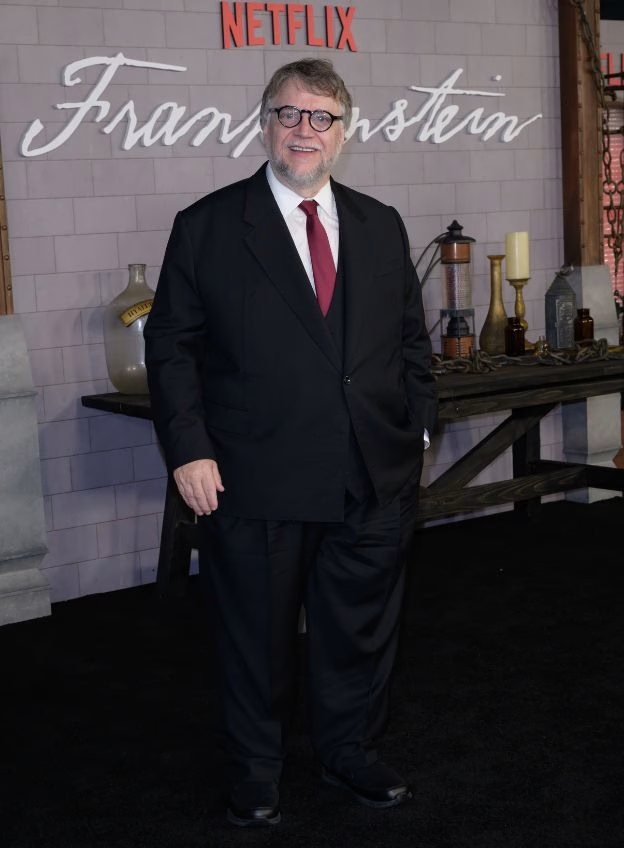
After brief remarks from Elordi and Isaac, del Toro returned to the podium to focus on the people who physically brought Frankenstein to life.
He credited the artisans behind the film and emphasized that the work “shines on every single frame” because it was made with human intention, human collaboration, and human craft.
He specifically called out the teams that often define a film’s look and emotional impact:
- Designers and builders
- Makeup and wardrobe departments
- Cinematographers
- Composers and editors
His point was simple: filmmaking is a collective art form, and the audience can feel the difference when real people build the world on screen.
Why this moment matters for creators right now
Del Toro’s stance is resonating because the industry is having a larger conversation about what should—and shouldn’t—be automated.
For working professionals and aspiring talent, the key concern isn’t “technology vs. creativity.” It’s:
- Consent (who approved the use of a voice, face, or performance?)
- Credit (who gets recognized for the final result?)
- Compensation (who gets paid when work is reused or replicated?)
- Opportunity (what happens to entry-level jobs that build careers?)
In other words, this isn’t only a headline—it’s a signal that human-first storytelling is becoming a selling point again.
What this means for Project Casting talent: how to stand out
If you’re building your career as an actor, creator, or crew member, here are smart ways to align with what productions are valuing right now.
1) Show proof of process, not just the final result
Adding behind-the-scenes content instantly raises trust and hiring confidence. Consider including:
- rehearsal clips or self-tape iterations
- makeup/wardrobe transformations
- lighting tests, location scouting snapshots
- production design mood boards or build progress
- editing timelines or “before/after” sequences
2) Use human-first language in your profile and pitches
You don’t have to sound anti-tech. You just need to communicate what you bring that can’t be generated:
- “collaboration-driven”
- “director-led performance”
- “on-set trained”
- “crafted storytelling”
- “practical production workflow”
3) Make your Project Casting profile easier to book from
Quick upgrades that help casting teams decide faster:
- add clear headshots + a short reel (30–90 seconds works)
- list measurable skills (accents, combat, dance, improv, instruments)
- include availability, location, and union status (if relevant)
- keep your bio focused on your “type” + strongest credits
Closing thought
Del Toro’s speech is a reminder that entertainment careers are built on people—teams, relationships, and craft. Whether you’re acting, editing, designing, or creating content, the best way to compete is to make your work unmistakably human: specific choices, real collaboration, and a clear creative voice.