
- Netflix’s move to acquire Warner Bros Discovery is a once-in-a-generation shift that could change how movies and TV are made, released, and marketed worldwide.
- Netflix will acquire Warner Bros.: Indie producers and international distributors fear consolidation could shrink theatrical opportunities and reduce creative risk-taking.
- Some studio veterans believe Netflix could preserve (and even strengthen) Warner’s production engine better than other potential buyers.
- Regulatory review and antitrust scrutiny may reshape or delay the final outcome—nothing is guaranteed until approvals land.
- For actors and filmmakers, the smartest response is simple: stay audition-ready, build streaming-friendly materials, and keep applying.
The Netflix–Warner Bros “bombshell” — why the industry is on edge
When it was announced that Official Netflix to buy Warner Bros, the news went viral. Then reporters announced Netflix to acquire Warner Bros and confirmed plans for a deal, it landed like an earthquake across the entertainment world—not just in Los Angeles. This isn’t only a headline about corporate strategy. It’s a story about access: who gets to finance projects, who controls distribution, and how talent finds opportunity in an industry already undergoing massive change. It is a multi-billion deal worth $82.7 Billion dollars.
Netflix has grown into more than a streamer. It’s now a full-scale entertainment machine: a studio, a global distributor, and a tastemaker that influences development, casting, and what kinds of stories get greenlit. Warner Bros., meanwhile, is one of the most influential legacy studios in history, with a century-long reputation for shaping film and television. Put those forces together, and the ripple effects reach everyone—actors, filmmakers, crew, and independent producers worldwide.
Netflix is one of the biggest forces shaping modern entertainment. What started as a DVD-by-mail service turned into a global streaming platform that changed how audiences discover movies and TV shows—and how creators get their work made. Today, Netflix isn’t just a place to watch content. It’s a major studio, a global distributor, and a trendsetter that influences everything from casting decisions to the kinds of stories that get greenlit.
One of Netflix’s biggest strengths is reach. A project released on Netflix can land in front of viewers across dozens of countries at the same time, which is a huge shift from the traditional model of staggered international rollouts. For actors, filmmakers, and producers, that global footprint can mean faster visibility and broader fan-building. A strong performance in a series can spark international attention overnight, opening doors to representation, auditions, and cross-border opportunities that used to take years.
Netflix also helped normalize “binge watching,” releasing seasons in bulk and encouraging fans to watch at their own pace. This approach changed storytelling structure. Writers and showrunners often craft episodes with momentum in mind—strong hooks, cliffhangers, and season-long arcs—because viewers may watch multiple episodes in a single sitting. For creators, that means new creative strategies and pacing choices, especially in genres like thriller, romance, YA drama, and true crime.
At the same time, Netflix has impacted the business side of Hollywood. Traditional studios once relied heavily on theatrical releases and advertising-driven TV schedules. Netflix, built on subscriptions, plays a different game: it focuses on keeping audiences engaged month after month. That often leads to strong investment in recognizable genres, established IP, and projects that can perform well across multiple markets. It can be great for creators who understand what travels globally—high-concept ideas, strong characters, clear stakes, and visually distinct worlds.
But Netflix also brings challenges and debate. Because streaming performance metrics aren’t always fully transparent to the public, creators sometimes have less clarity about how success is measured compared to box office numbers or TV ratings. Netflix has also been criticized for rapidly canceling shows that don’t hit performance targets. From a talent perspective, that can create uncertainty—even when a series has a passionate fanbase.
Still, Netflix has proven it can deliver cultural moments. Big releases become global conversations, and international hits regularly break into the mainstream. Korean dramas, Spanish thrillers, and Indian cinema have all found wider audiences through Netflix’s platform, helping push entertainment toward a more global future.
For aspiring actors and filmmakers, Netflix represents both opportunity and competition. The key is to stay ready: keep your self-tape setup professional, build a strong reel, sharpen your branding, and consistently apply for roles. Netflix may evolve, but one thing remains true—great stories and standout talent will always be in demand.
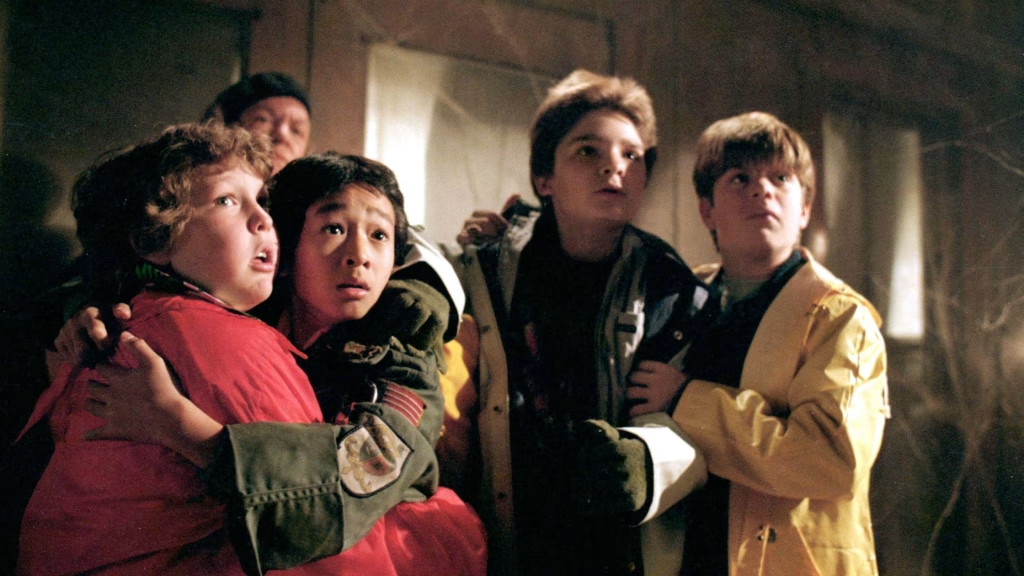
Warner Bros. is one of the most influential names in entertainment history—an iconic studio brand that has helped shape film and television for more than a century. For actors, filmmakers, and creatives, Warner Bros. represents a legacy of big-screen spectacle, prestige storytelling, and franchise-building that continues to set industry standards. From classic Hollywood to the streaming era, the studio has stayed at the center of pop culture by evolving with audience tastes and technology.
A major reason Warner Bros. remains so powerful is its library and intellectual property. The studio has built and maintained world-famous franchises that drive global audiences, merchandise, spin-offs, and long-term careers. Properties tied to Warner brands—like DC-related projects, large-scale fantasy worlds, and long-running TV universes—create recurring opportunities for performers, writers, directors, and crew. When a studio controls large franchises, it doesn’t just make one film or series. It often creates multi-year ecosystems: sequels, prequels, limited series, animated expansions, and international adaptations. For talent, that can translate into repeat auditions, steady production slates, and a strong pipeline of roles across formats.
Warner Bros. is also known for being a major force in television. The company has produced and distributed a wide range of series, from mainstream hits to prestige dramas. This matters because TV has become one of the most reliable engines for employment in the entertainment industry. Series shoots often last longer than film projects, which can mean more stable work for cast and crew. And a standout TV role—especially in a show with strong writing and character arcs—can be a career accelerator.
Another key part of Warner’s influence is distribution and scale. A studio like Warner doesn’t just create content; it helps determine how that content reaches audiences through theatrical releases, marketing campaigns, international partnerships, and awards strategies. That kind of infrastructure can elevate a project’s visibility dramatically. The studio’s marketing and distribution reach can help mid-tier projects feel “event-level,” and it can launch new faces into the spotlight when the campaign is strong.

In today’s industry, Warner Bros. is also navigating the same challenges facing every major studio: shifting viewer behavior, streaming competition, changing theatrical habits, and the increasing cost of premium production. Audiences have more choices than ever, and studios must balance risk and reward carefully. That’s why we often see major studios leaning into known brands and recognizable IP—because those projects are easier to sell globally and can justify large budgets.
For aspiring professionals, Warner Bros. symbolizes both opportunity and ambition. To be competitive for Warner-level productions, talent should treat their career like a business: keep headshots current, maintain a polished reel, build a strong self-tape workflow, and stay consistent with applications and networking. Warner Bros. may be a legacy studio, but it still relies on new voices, fresh faces, and proven professionals to keep its stories alive—and that’s where your preparation can make the difference.
While headlines focus on the money, international industry voices are focused on what consolidation does to the creative ecosystem.

International independent producers and distributors reacted with deep concern. Many fear fewer major buyers will mean:
- Less theatrical support for a wider range of films
- More “safe” greenlights (bigger brands, fewer risks)
- A tougher market for indies trying to finance and distribute films outside franchise ecosystems
Some described the news as “depressing,” and others used harsher language—arguing that a merger of this scale could reduce diversity in what gets made and how widely it’s released. The underlying fear is not that storytelling ends, but that storytelling becomes narrower.
Others—especially international studio veterans—were more upbeat. Their argument: Netflix may be a stronger long-term operator than previous corporate owners, with the financial muscle to keep productions flowing. A few believe Netflix could maintain a theatrical lane alongside streaming (even if windows are limited) because it can afford to treat theaters as cultural engines—not just revenue engines.
Some executives also hinted that Netflix’s strength is creating shared global events, and that Warner’s distribution infrastructure could amplify that through special releases, finale screenings, and “alternative content” on the big screen.
Even with confirmation, not everyone believes the deal is guaranteed. The biggest question mark remains antitrust regulation. If regulators decide this creates too much market power, the terms could change—or the deal could stall.
What it means for actors, filmmakers, and crew: opportunities + risks
- More franchise projects: spin-offs, reboots, limited series, and international expansions
- More global casting: projects designed to hit multiple markets at once
- More event-style content: theatrical specials, limited runs, premiere screenings
Possible risks
- Fewer buyers, fewer doors: consolidation can reduce competition and diversify fewer slates
- Budget tightening during transition: restructuring typically follows big mergers
- More cautious development: pressure to prioritize IP and “proven” formats
If you want to be bookable during a major industry realignment, focus on what you can control:
- Upgrade your self-tape setup (clean sound + consistent lighting = faster callbacks)
- Keep headshots, reel, and resume current and streaming-ready
- Build a reel cut that’s hooky and modern (strong first 10 seconds)
- Apply consistently to casting calls so you don’t lose momentum during industry uncertainty