Disney Makes a Bold $1 Billion Bet on OpenAI, Paving a New Path for Hollywood and AI
Disney is taking a major leap into the future. In a move that could reshape how Hollywood works with artificial intelligence, the studio has officially partnered with OpenAI — investing $1 billion and signing a three-year licensing deal that brings some of the world’s most iconic characters to OpenAI’s Sora video platform.
The partnership means fans will eventually be able to create short AI videos featuring characters from Marvel, Pixar, and Star Wars. Instead of fighting AI tools that let people mimic their IP, Disney appears to be choosing a new strategy: If you can’t stop it, monetize it.
A Big Shift in Hollywood’s Relationship With AI
For years, studios have pushed back against AI platforms that allow users to create knockoff content. But Disney’s new deal signals that Hollywood may be ready to work with AI companies — especially if it helps studios keep control over their franchises and bring in new revenue.
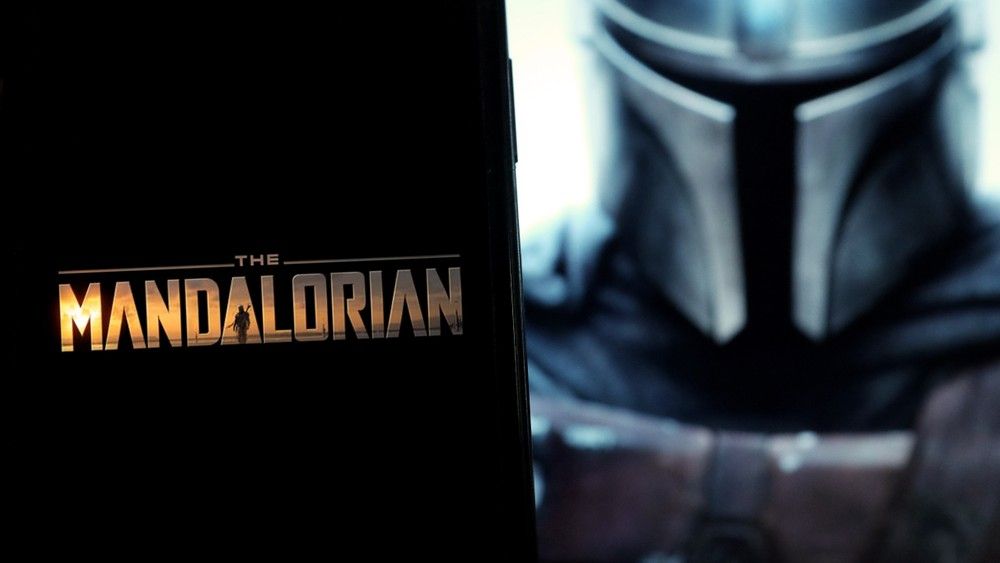
Under the agreement, Disney+ will also support “fan-inspired” Sora videos, letting users generate short-form content using officially licensed Disney characters beginning in early 2026. Disney previewed the feature with fun examples: a fan wielding a lightsaber in a Star Wars scene, someone surfing with Stitch from Lilo & Stitch, and a virtual race featuring a character from Cars.
It’s a big departure from the chilly reception Sora received when it launched last October. At the time, Hollywood agencies and unions criticized the tool for letting users generate videos with celebrity likenesses. Major agencies like WME, CAA, and UTA called Sora dangerous and exploitative, pressing OpenAI to create strong safeguards.
Setting New Guardrails for AI-Generated Content
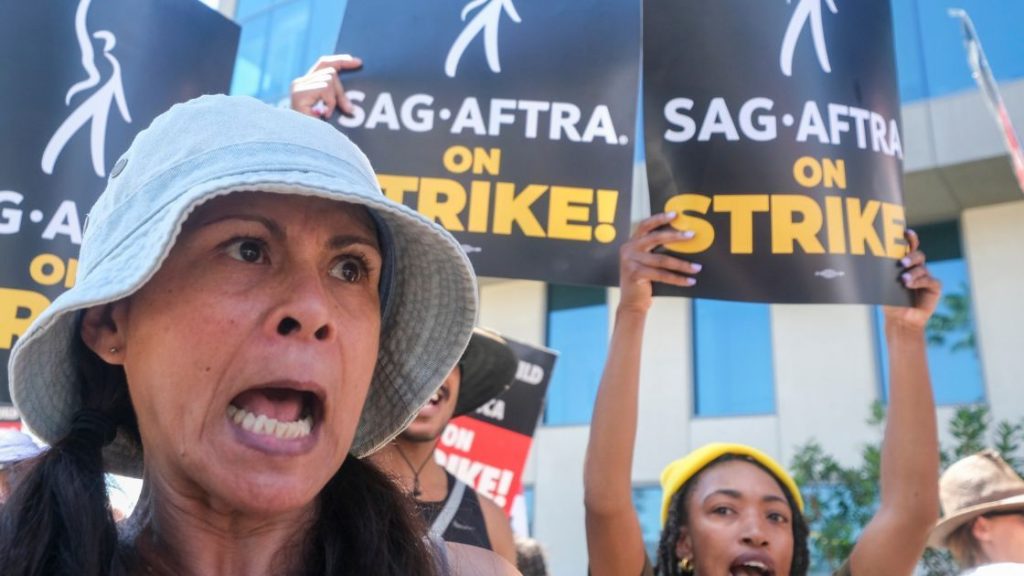
SAG-AFTRA has already tested what a protective partnership could look like, striking a special agreement with OpenAI around Bryan Cranston’s voice and likeness. Disney’s move could encourage similar guardrail deals for creators, actors, and franchise talent going forward.
Disney CEO Bob Iger said the AI partnership was about expanding storytelling possibilities — but doing it responsibly.
“The rapid advancement of artificial intelligence marks an important moment for our industry,” Iger said. “Through this collaboration with OpenAI, we will thoughtfully and responsibly extend the reach of our storytelling through generative AI, while respecting and protecting creators and their works.”
His message is clear: Disney sees AI not as a threat, but as a creative tool that can bring fans closer to the stories they love.
A Deal That Echoes Disney’s Strategy With Fortnite
This collaboration mirrors Disney’s $1.5 billion investment in Epic Games last year, which brought Disney characters into Fortnite in an effort to reach younger audiences where they already spend their time. The OpenAI deal follows the same logic: meet fans in new mediums, grow the brand, and monetize Disney’s enormous library of characters.
A Major Shift From Disney’s Lawsuit Against Midjourney
Disney’s partnership with OpenAI also stands in sharp contrast to its ongoing legal battle with Midjourney. Disney, Universal, and Warner Bros. sued the AI company last July for enabling users to generate images with copyrighted characters — famously calling Midjourney a “bottomless pit of plagiarism.”
But now, with a formal licensing structure in place, Disney is showing that AI companies can collaborate with studios instead of bypassing them.
What Comes Next? More Deals, More Content, and a New Era of Fan Creativity
OpenAI CEO Sam Altman said the company has already been approached by other rightsholders who want to explore similar licensing deals. According to Altman, studios see huge potential in what he calls “interactive fan fiction” — a new kind of storytelling that blends fan creativity with official franchise elements.
And with Disney being one of the most brand-protective companies on Earth, this deal sends a powerful message:
AI isn’t going away — but Hollywood and AI can build the future together.